Introduction
If you’ve only seen a few moody Pinterest walls and a couple of whitewashed bricks, you’ve met about 10% of what lime wash paint can do. Older than cement yet perfectly at home in modern spaces, this finish is friendlier to buildings (and often to indoor air) than many contemporary coatings. When applied with intent, it brings a soft, clouded luminosity that makes drywall feel architectural and masonry read like carved stone.
This guide is your studio visit with a detail-obsessed finisher. We’ll decode the chemistry, map the exact steps that avoid blotches, and show you where lime wash paint truly sings—and where it doesn’t—so you can achieve results that feel bespoke rather than “DIY-ish.”
What Is Lime Wash Paint, Really?
At its core, lime wash paint is slaked lime (calcium hydroxide) suspended in water with mineral pigments. It doesn’t form a plastic film like acrylic latex; it chemically bonds with mineral surfaces through carbonation—reacting with atmospheric CO₂ to become calcium carbonate (stone). Because it’s vapor-permeable, walls can “breathe,” which helps regulate moisture and reduce the conditions that favor mold.
In practice, that means a surface that looks physically deeper than conventional paint. Light penetrates the translucent layers, scatters off micro-crystalline structures, and returns with a soft, clouded glow. It’s a finish you feel more than see.
Why Designers Keep Reaching For It
Designers lean on lime wash paint for three reasons:
-
Movement without pattern. Instead of a repeating faux finish, you get slow, natural variation—like a quiet sky—especially in raking light.
-
Material honesty. On masonry or real plaster, it reads as stone because… it is stone.
-
Color maturity. Mineral pigments mute the cheap “neon” edge many synthetic tints have. The result is a sophisticated, lived-in palette that behaves beautifully in daylight.
The Science Made Useful (Carbonation & Breathability)
Think of lime wash paint as a wet mineral paste that turns back into rock. As it carbonates, it bonds with lime-friendly substrates—plaster, masonry, stone, properly primed drywall—creating durability without choking the wall. That breathability is why it’s often specified in heritage buildings. Practically, this means it tolerates minor moisture and helps walls dry out after inevitable seasonal swings.
Where It Works Best (and Why)
Use lime wash paint anywhere you want subtle movement and a healthier wall assembly:
-
Plaster & lime plasters: Ideal; the chemistry matches.
-
Brick, stone, concrete, stucco: Excellent; it keys into the mineral matrix.
-
Drywall: Very good if you create a mineral-friendly base (more on primers below).
-
Ceilings: Spectacular in bedrooms and living spaces; softens
https://www.nps.gov/tps/how-to-preserve/briefs/22-limewash.htm
Bonus: it’s especially flattering in rooms that get strong directional daylight. The finish responds like fabric, not plastic—micro-highlights and lowlights animate the planes.
Where It Doesn’t Shine (And What To Do Instead)
There are honest limits to lime wash paint:
-
High-abuse zones (mudrooms with kids, dog zoomies): prefer a washable mineral paint or flat acrylic with scrubbable rating.
-
Direct splash zones (inside showers): use tile or a true waterproof system.
-
Gloss expectations: if you want glassy, mirror-flat walls, this isn’t the right material.
When you have to fake the look in a tough zone, try a matte mineral paint with a micro-mottled topcoat technique. You won’t get the same depth, but you’ll gain cleanability.
Color, Light, and the “Cloud Effect”
Color in lime wash paint reads quieter than on a fan deck. Greiges lean stonier, blacks soften to charcoal, and whites gain body. The signature “cloud effect” comes from layering dilutions and working wet-into-damp. For modern rooms, choose colors 1–2 steps darker than you’d choose in latex—the mineral translucency lightens on the wall.
Pro trick: make a ceiling 10–15% lighter than the walls with the same hue. The room will feel taller, and the transition looks intentional rather than stark.
The Unfussy Tools & Materials You Actually Need
You only need a handful of good tools to pull off lime wash paint like a pro:
-
Wide block brush (4–6″) with natural or hybrid bristles
-
Mineral-friendly primer for drywall/previously painted surfaces
-
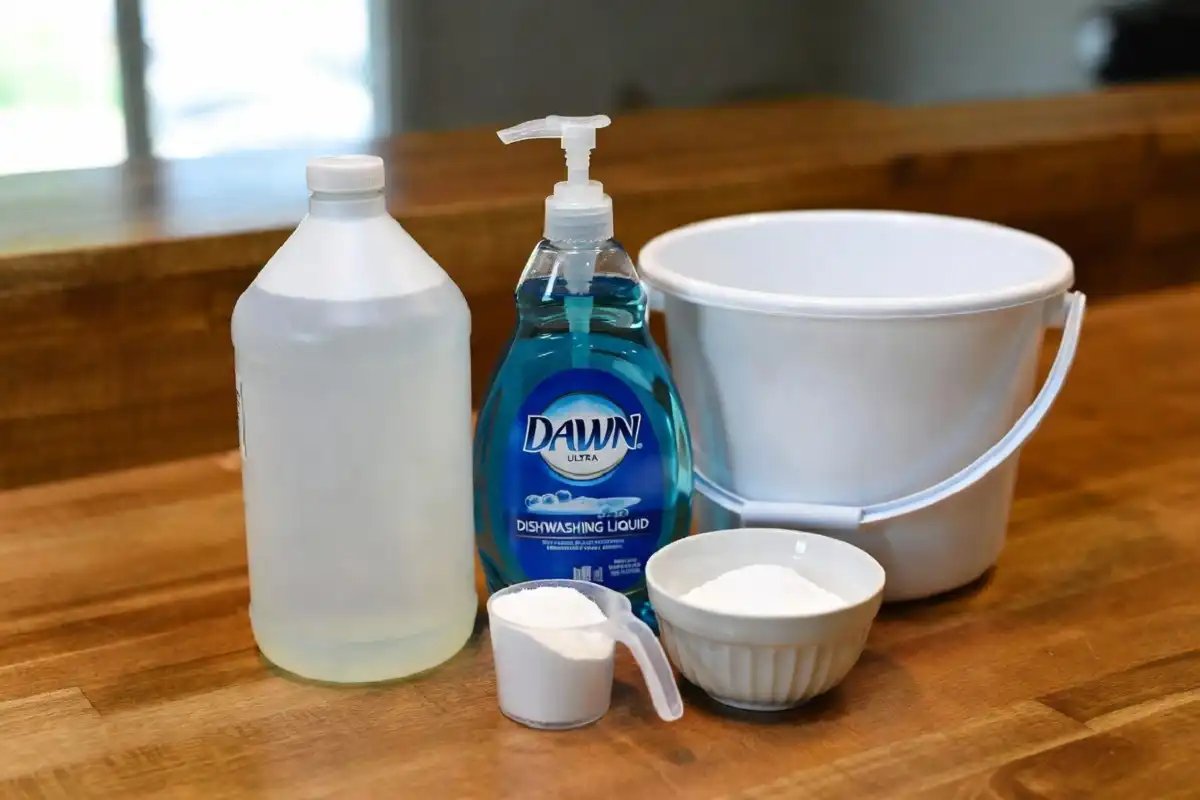
Buckets for mixing and dilution (mark your ratios)
-
Misting bottle or clean sponge for pre-dampening
-
Painter’s tape and drop cloths
-
Sample boards (scrap drywall or primed card)
-
Optional: soft lime sealer for tricky areas
The 7-Step Method That Actually Works
Here’s a field-tested sequence for lime wash paint that delivers depth without streaks:
-
Assess & prep. Fill dents, sand, and dust meticulously. Clean masonry.
-
Prime smart. On drywall or previously painted surfaces, use a mineral-friendly primer that leaves a slight tooth. On plaster/brick, go bare if sound.
-
Pre-dampen. Lightly mist the surface; you want cool and damp, not wet. This evens absorption so your strokes blend instead of flashing.
-
First pass (dilution 1:1 to 1:2). Use broad X and cross-hatch motions. Don’t chase perfection—this is a map for later layers.
-
Second pass (slightly thicker). Work wet-into-damp in smaller fields. Feather edges with a dry brush. Step back often; adjust dilution if it looks chalky.
-
Veil layer. A thinner glaze (even 1:3) pulled lightly over raised areas ties the cloud together.
-
Cure patiently. Avoid sealing for at least 48 hours unless specified; carbonation continues for days. If needed, finish with a breathable lime sealer.
Pro tip: keep two buckets—one at working strength, one slightly thinner—to adapt on the fly to hot spots and thirsty patches.
Advanced Motions for Subtle Drama
After your base, push lime wash paint into high craft:
-
Strié drift: very gentle, long pulls in one direction at the veil stage to elongate a room.
-
Soft ombré: build a 10–15% darker band near the floor or ceiling for architectural lift.
-
Broken-color veiling: two veils in adjacent hues (e.g., warm grey over cool grey) create living stone complexity without reading “faux.”
Each technique should be barely there. If you notice the trick before the room, it’s too strong.
Exterior Brick: A Reversible Upgrade
On exteriors, lime wash paint excels because it’s sacrificial and breathable. It ages gracefully, powders a touch, and can be refreshed without stripping. Many homeowners love the “slipcoat” technique—leaving mortar joints crisper and letting some brick telegraph through for authenticity. Always test on the shadiest and sunniest elevations; UV and exposure change the read of color and texture.
Bathrooms & Kitchens: How to Beat Humidity
You can absolutely use lime wash paint in steamy rooms—just be strategic:
-
Ensure mechanical ventilation works (or add it).
-
Keep the finish outside direct splash zones.
-
Specify a breathable sealer only where necessary (backs of sinks, near cooktops).
-
Choose mid-tone colors; ultra-light veils can telegraph condensation marks.
When maintained, these rooms develop a mellow, mineral patina instead of the shiny scuffs that betray flat latex.
Fireplaces: Heat, Soot, and Real Life
Fireboxes are off-limits, but the surround and chimney breast love lime wash paint. The mineral nature shrugs off mild warmth and delivers that period-correct masonry look. Degrease thoroughly and prime smoke-stained areas; soot will ghost through otherwise. A very thin final veil helps hide future micro-scuffs from fireplace tools.
Maintenance & Touch-Ups (The Gentle Way)
Because lime wash paint is mineral and micro-layered, repairs are kinder than you think. For a ding: feather a damp sponge, add a thin veil only where needed, then diffuse the edges with a nearly dry brush. If a wall gets shiny from spot cleaning, a whole-wall veil restores even sheen without heavy build.
Five Myths, Busted
Let’s clear up the most common misunderstandings about lime wash paint:
-
“It always rubs off.” A light powder is normal early on; proper cure and optional breathable sealers tame transfer.
-
“It’s only for old houses.” In clean, modern spaces, the softness counters hard lines and glass.
-
“It’s impossible on drywall.” With the right primer, it’s excellent—and often more convincing than faux plaster.
-
“You can’t clean it.” Gentle maintenance is fine; for big messes, do a local veil.
-
“It looks the same every time.” Dilution, motion, and substrate change everything—no two rooms match.
Cost, Coverage, and Time Budget (No Surprises)
Budgeting this finish is straightforward when you separate area, layers, and labor.
-
Coverage: Expect ~150–250 sq ft per liter per layer depending on porosity and dilution.
-
Layers: Most interiors look best at 2–3 layers plus an optional veil.
-
Labor: Plan for slower, more mindful strokes than latex; a pro crew typically finishes a standard 12’×15′ room in a day (excluding cure).
Example math for a 12’×15′ room with 9′ ceilings (≈486 sq ft of wall area after subtracting doors/windows):
-
Two layers at an average 200 sq ft/L → ~4.9 L total material.
-
Add 15% contingency for sampling and veils → ~5.7 L.
This puts material in the “premium paint” bracket, with far more dimensionality per dollar.
Safety & Sustainability (Read This Before You Start)
Fresh slaked lime is alkaline. Wear gloves and eye protection while mixing and brushing. Ventilation is wise, though odors are minimal. Dispose of wash water responsibly; it can be neutralized with a splash of vinegar before going down a drain if allowed locally. Many mineral systems are near-zero VOC and use long-lived pigments—good news for indoor air over the long run.
How It Compares—Choose on Purpose
Here’s how lime wash paint stacks up to common alternatives:
-
Whitewash (watered-down latex): Cheaper, easier, but forms a plastic film and lacks mineral depth.
-
Chalk paint: Soft look on furniture; on walls it scuffs easily and doesn’t carbonate.
-
Venetian plaster: Denser, polishable, and luxurious; also pricier and more labor intensive.
-
Clay paint: Beautiful matte and eco-friendly; fewer clouding options, less stone-like chemistry.
Pick the system that fits the room’s abuse level, light, and your maintenance appetite.
Sample Boards & Client Sign-Off (Pro Workflow)
Road-test your palette on primed sample boards, not printer paper. Label dilution ratios and brush motions, then tape the boards to multiple walls for 24 hours. Watch them at dawn, midday, and evening. Photograph with the room’s actual bulbs. This habit prevents 90% of “too green/too dark/too meh” regrets.
Frequently Asked Questions
Q: Can I put lime wash paint over old latex?
A: Yes—after a thorough clean and a mineral-friendly primer to provide a toothy, absorbent base.
Q: Will it hide bad drywall seams?
A: It softens them, but it won’t erase poor taping. Fix fundamentals first; finish is not a bandaid.
Q: How long does it last?
A: Interiors can go many years. Exteriors weather gracefully and are easy to refresh with a light maintenance coat.
Q: Is it safe for nurseries and bedrooms?
A: Generally yes once cured; check your chosen system’s VOC and additives.
Q: What if I hate it?
A: You can topcoat with a high-quality primer and repaint, though the subtle texture may remain.
A Quick Troubleshooting Flow (Bookmark This)
-
Looks blotchy when dry? Add a thin veil at higher dilution, working in soft X strokes; lime wash paint evens as layers stack.
-
Edges flashing? Your fields dried too far; work smaller sections and keep them damp with a light mist.
-
Powdering on sleeves? Let it cure longer; if needed, apply a breathable sealer.
-
Too flat or chalky? Reduce dilution slightly and add a gentle final veil; avoid over-brushing.
-
Color reads colder than expected? Mineral pigments shift with light—add a warmer veil or change bulbs (high CRI, 2700–3000K).
A Room-by-Room Playbook
-
Entry hall: Mid-tone mineral grey with a warmer veil to handle scuffs; lean into movement to make a small space feel intentional.
-
Living room: Soft beige-stone on walls, 10% lighter ceiling, and a broken-color veil near the window wall for depth.
-
Bedroom: Off-black headboard wall in a very thin veil—moody but not cave-like.
-
Kitchen (non-splash zones): Pale clay hue; breathable sealer around high-touch doorframes.
-
Home office: Gentle green-grey that calms screen glare and supports focus.
Field Notes From Real Jobs
-
On a south-facing wall that read too shiny at noon, we solved glare by adding a veil with a wider, softer brush and slightly higher dilution—movement increased, specular highlights dropped.
-
A chimney breast with hairline cracks stabilized after we consolidated the plaster and used a leaner first coat; the mineral matrix bonded without emphasizing the cracks.
-
For a minimalist loft, we ran strié in one direction only at the last veil; lines were nearly invisible up close but gave the plane a quiet “pull” across 18 feet.
Your First Project: A 48-Hour Plan
Day 1 (evening): Patch and sand; vacuum dust. Prime if needed. Mix two dilutions and create three sample boards.
Day 2 (morning): Decide from samples in daylight. Pre-dampen and apply the first coat to one wall, then the next.
Day 2 (afternoon): Second coat; keep fields smaller as you gain rhythm.
Day 2 (evening): If desired, add a whisper-thin veil where the light falls. Clean up and let it cure.
You’ll wake up to a surface that looks hand-tuned rather than factory-made.
Closing Thoughts
When you choose lime wash paint, you’re not just “coloring a wall.” You’re rebuilding a thin skin of stone that breathes with the seasons, mellows with the light, and gives each room a quiet, crafted soul. Respect the chemistry, practice your motions on samples, keep your dilutions honest, and let the material do the heavy aesthetic lifting. The result isn’t a trend—it’s architecture, finally allowed to look alive.