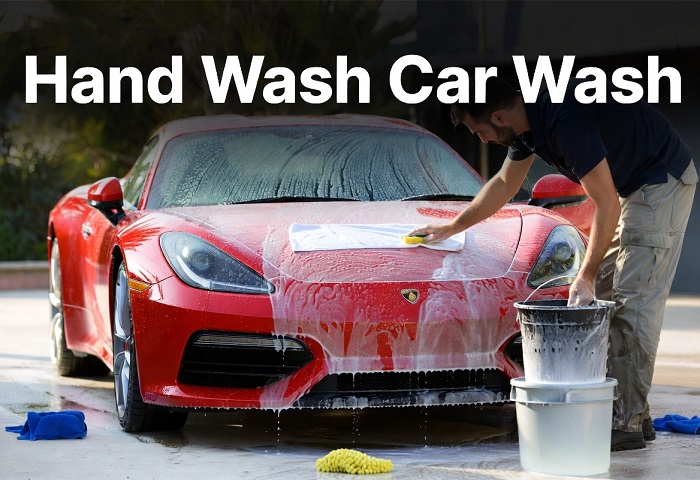
Introduction: Why a Hand Wash Car Wash Is the Best Thing You Can Do for Your Vehicle
There is something deeply satisfying about stepping back and looking at a car you just cleaned yourself — paint gleaming, windows streak-free, wheels spotless. But beyond the personal pride, a hand wash car wash is genuinely one of the smartest things you can do for your vehicle’s long-term health, appearance, and resale value.
Most car owners default to the drive-through automatic wash because it is fast and effortless. You pull in, pay your fee, and three minutes later the machine spits your car out the other side. It seems like a deal. What those same car owners often do not realize is that automated tunnel washes — with their spinning brushes, recycled water, and high-pressure jets — are one of the leading causes of swirl marks, micro-scratches, and premature paint degradation. The machines have no way of knowing whether the grit from the car ahead of yours got rinsed out before touching your hood. You do.
A hand wash car wash gives you complete control. You choose the soap, the pressure, the tools, and the technique. You can spend extra time on the wheel wells, treat a stubborn tar spot on the lower panels, or gently work around a fresh touch-up without any anxiety. You notice a new stone chip on the bumper. You catch a developing rust spot on the door edge before it gets out of hand. Hand washing is not just cleaning — it is also regular inspection, and that makes it preventative maintenance.
This complete guide will walk you through everything you need to know about how to hand wash a car properly — from the supplies you need and the method that professionals use, to common mistakes that cause more damage than they fix, how to dry and protect your paint, and why this approach beats every alternative available.
What Is a Hand Wash Car Wash?
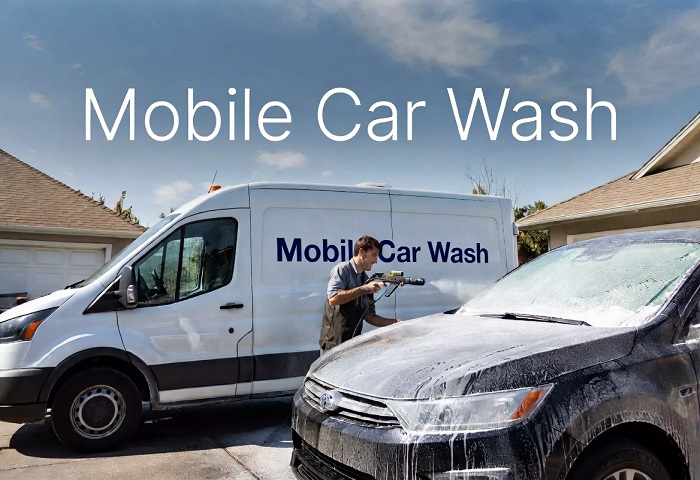
A hand wash car wash is exactly what it sounds like — cleaning a vehicle’s exterior (and sometimes interior) by hand, using physical tools like wash mitts, microfiber towels, brushes, and buckets rather than automated machines. It can be done at home in your driveway, at a professional hand wash facility, or through a mobile detailing service that comes directly to your location.
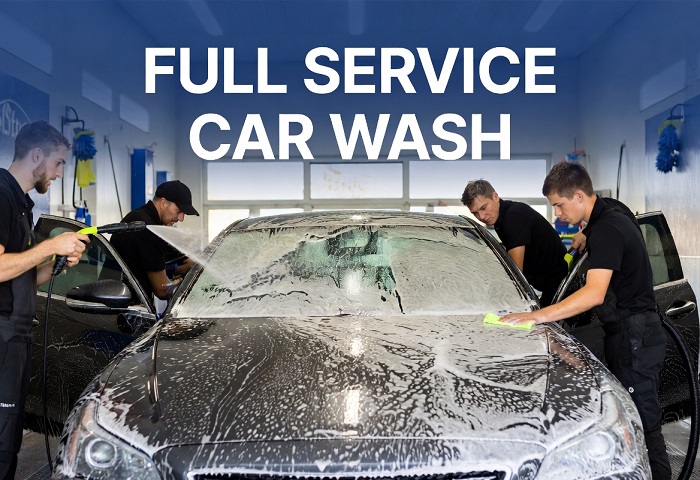
Professional hand wash car wash services are widely available and differ significantly from automated washes. At a hand wash facility, trained attendants clean your vehicle manually, reaching into door jambs, around mirrors, along trim lines, and into other tight areas that a machine would simply blow past. The result is a more thorough, more careful clean.
For home hand washing — which is what most people mean when they search for hand wash car wash advice — the process involves gathering the right equipment, using proven technique, and taking the time to do it properly. It is not complicated, but there is definitely a right way and a wrong way to do it.
Why a Hand Wash Car Wash Is Better Than Automated Washing
Before diving into the how, it is worth understanding the why. A lot of car owners have been conditioned to think that an automated car wash is “good enough.” Here is what actually happens when you compare the two approaches side by side.
Paint Protection
Automated tunnel washes — even modern cloth or foam ones — apply the same brushes and cloths to every vehicle they process. Those materials pick up grit from previous cars. Unless the wash has a genuinely rigorous rinse system between vehicles, that grit gets dragged across your paint. The result is swirl marks: tiny circular scratches that dull your paint’s clarity over time and become very obvious in direct sunlight.
A proper hand wash car wash using the two-bucket method and clean microfiber wash mitts eliminates this risk almost entirely. You control what touches your paint and you rinse your mitt constantly to prevent grit buildup.
Thoroughness
A machine follows a fixed path. It cannot reach into the gap between your door and the body, clean the inside of your wheel wells with care, or spend extra time on a muddy lower panel. A human hand can do all of that and more.
Inspection
Every time you hand wash your car, you are running your hands and eyes over nearly every inch of the exterior. This means you catch stone chips before rust forms, notice a developing crack in a seal, see bird dropping etching before it becomes permanent paint damage, or spot a loose trim piece before it falls off on the highway. Automated washing offers zero of this.
Product Quality
At a hand wash car wash done at home, you choose every product. You select a pH-neutral, wax-safe car shampoo. You use fresh, clean microfiber towels that you launder yourself. You know exactly what is going on your paint and in what concentration. At most automated washes, you have no idea what chemicals are being sprayed on your car.
What You Need for a Hand Wash Car Wash at Home
Getting set up for a proper home hand wash car wash does not require a lot of expensive equipment. Here is what you actually need:
Two buckets: This is non-negotiable for a safe hand wash. One bucket holds your soapy wash water. The other holds clean rinse water. Every time your wash mitt gets dirty, you rinse it in the clean bucket before putting it back in the soap bucket. This prevents grit from being transferred back to your paint.
Grit guards: These plastic inserts sit at the bottom of each bucket and trap dirt below the water line. When you rub your mitt against them during rinsing, the grit falls away and stays trapped below the guard. Inexpensive and worth every cent.
Car wash shampoo: Use a dedicated car wash soap — never dish soap, household detergent, or hand soap. Dish soap strips wax and protective coatings from your paint. Car wash shampoos are pH-balanced and formulated to clean automotive paint safely. Brands like Meguiar’s Gold Class, Chemical Guys Honeydew Snow Foam, and Adam’s Car Wash Shampoo are widely respected.
Microfiber wash mitt: A good quality wash mitt holds more soap, releases dirt easily, and is far gentler on paint than a sponge. Sponges are flat and press dirt against the paint surface as you drag them across. A wash mitt’s long fibers hold the dirt away from the paint surface.
Wheel brush and tire brush: Your wheels and tires need different products and dedicated brushes that you never use on the paint. Brake dust is abrasive and chemically different from the dirt on your bodywork.
Microfiber drying towels: Large, plush microfiber towels absorb water quickly and dry your paint without scratching. Avoid chamois leathers — they can drag on paint if not perfectly clean and lubricated.
Detailing spray (optional but recommended): A quick detailer sprayed onto the paint surface before drying adds lubrication, making the towel glide more safely and leaving a light shine.
Step-by-Step: How to Do a Hand Wash Car Wash the Right Way
Step 1: Park in the Shade
Always wash your car in a shaded area or on a cool, cloudy day. Direct sunlight heats the paint surface, causing soap and water to dry too quickly. This leaves water spots, soap residue, and streaks that are hard to remove without polishing. Morning or late afternoon are ideal times.
Step 2: Rinse the Entire Car First
Before you touch the car with any cloth or mitt, rinse the entire exterior with water. Use a hose with a spray nozzle or a pressure washer on a gentle, wide-angle setting. This pre-rinse removes loose dust, dirt, and debris from the surface. Starting to wash before rinsing means you are dragging loose grit across your paint with your first pass — that is exactly how swirl marks form.
Work from top to bottom: roof first, then the hood, trunk, doors, and finally the lower panels and sills. Let gravity do the work.
Step 3: Clean the Wheels First
Wash the wheels and tires before you start on the bodywork. Wheels carry brake dust, road grime, and tar — all of which can splash back onto freshly washed paint if you do them last. Apply a wheel cleaner appropriate for your wheel finish (check whether your wheels are painted, alloy, or chrome), let it dwell for a minute, then agitate with a dedicated wheel brush. Rinse thoroughly.
Use a separate brush for the tires themselves. Tire dressing can be applied later if desired, but always complete it after washing and drying to avoid spreading dressing onto your paint or brakes.
Step 4: Foam or Soap the Car
Fill your wash bucket with water and the recommended amount of car wash shampoo. Many enthusiasts also use a foam cannon or foam gun attached to a pressure washer or garden hose to pre-coat the car in thick soap foam. This foam dwell time softens and loosens dirt before you even touch the paint, reducing the risk of scratching.
If you do not have a foam cannon, a well-soaped wash mitt works perfectly well. Dip your mitt into the soapy water and load it generously before starting each panel.
Step 5: Wash Using the Two-Bucket Method
This is the heart of a safe hand wash car wash. Work on one panel at a time, starting at the top of the car and working your way down. Always wash in straight, side-to-side motions — never circular. Circular scrubbing creates the swirl marks that make paint look dull and hazy in sunlight.
After each panel, rinse your mitt in the clean water bucket, agitating it against the grit guard to release trapped dirt. Then reload it with soap from the wash bucket before moving to the next panel. This keeps your wash water cleaner and your mitt free of grit for longer.
Pay extra attention to:
- The front bumper and grille, which collect the most road debris
- The lower panels and door sills, which carry road spray and tar
- Around door handles, mirrors, and badges where dirt builds up in crevices
- The rear bumper and around exhaust tips
Step 6: Rinse Thoroughly
Once you have washed every panel, rinse the entire car again from top to bottom. Make sure no soap remains — dried soap leaves a film that shows up as a dull haze once the car dries. Pay particular attention to door jambs, mirror housings, and any areas where soap tends to pool.
Some detailers remove the nozzle from the hose for the final rinse, letting a gentle sheet of water flow over the panels. This encourages water to sheet off rather than form droplets, which reduces the number of water spots you will need to deal with when drying.
Step 7: Dry Immediately and Properly
Do not let your car air dry. Air drying leaves water spots — mineral deposits left behind as the water evaporates. These spots are particularly stubborn on dark-colored paint and glass.
Use large, plush microfiber drying towels. Spray a light mist of detailing spray on each panel before drying to add lubrication. This allows the towel to glide smoothly rather than dragging across the surface. Pat and drag gently — do not press hard.
Work from the roof down, as you have throughout the whole process. Replace towels when they become fully saturated rather than continuing to spread water around with a wet towel.
A leaf blower or dedicated car dryer can be used to remove water from areas where towels cannot reach — door mirrors, grille slats, badge gaps, and door jambs — before finishing with a towel.
The Two-Bucket Method: Why It Matters So Much
The two-bucket method deserves its own dedicated section because it is genuinely the single most important technique in a safe hand wash car wash. Most paint damage from home washing — those swirl marks and micro-scratches that degrade your paint over months and years — comes from one simple mistake: using a single bucket and re-dipping a dirty mitt back into the soapy water.
Every time your wash mitt touches your car, it picks up tiny particles of grit, sand, and dust. If you dip that mitt back into one bucket without rinsing it first, those particles go straight back into your wash solution. The next time you load the mitt with soap, those particles are in there too — and you drag them across your paint.
With two buckets, you always rinse the mitt in clean water before reloading with soap. The grit guard at the bottom traps the released particles below the waterline so they cannot be picked up again. Your wash solution stays cleaner throughout the whole process, and the risk of scratching drops dramatically.
Professional detailers call this “contamination control” and it is considered the most fundamental principle of safe paint washing.
Common Hand Wash Car Wash Mistakes to Avoid
Even car owners who are careful and thorough can fall into habits that quietly damage their paint over time. Here are the most common mistakes in a hand wash car wash and how to avoid them.
Using dish soap or household cleaners: Dish soap is designed to cut through grease and remove protective coatings. On your car, it strips wax, sealant, and ceramic coatings, leaving the paint exposed to UV damage and environmental contamination. Always use a dedicated car wash shampoo.
Washing in direct sunlight: Heat causes soap to dry on the paint before you can rinse it off, leaving residue that bonds to the surface and is difficult to remove without polishing.
Using a single sponge or chamois for everything: A flat sponge presses grit against the paint rather than holding it in its fibers the way a microfiber mitt does. Using the same cloth on your wheels and your paint transfers brake dust — a highly abrasive material — directly onto your bodywork.
Scrubbing in circles: Always wash in straight lines parallel to the length of the car. Circular scrubbing creates circular scratch patterns — swirl marks — that are especially visible in direct sunlight and require machine polishing to properly correct.
Not rinsing first: Starting to wash a dusty or dirty car without a pre-rinse means you are immediately dragging loose abrasive particles across your paint with your first mitt pass.
Skipping the wheels: The wheel wells and tires are some of the dirtiest areas on any vehicle. Leaving them until last means all that dirt splash goes back onto your freshly cleaned bodywork.
Using dirty or abrasive drying towels: Your drying towels must be laundered regularly, stored clean, and made of quality microfiber. A towel with trapped grit or debris will scratch your paint even if your washing technique was perfect.
Best Car Wash Soaps for Hand Washing
Choosing the right soap makes a significant difference in both the safety and quality of your hand wash car wash. Here are the main categories to understand:
Standard car wash shampoo: The everyday choice for regular maintenance washes. pH-neutral, gentle on wax and sealant, produces good lather. Ideal for bi-weekly cleaning.
Rinseless wash: A waterless or near-waterless option for lightly soiled cars or situations without access to a hose. Applied with a microfiber towel using lubricating formulas that encapsulate dirt safely. Not appropriate for heavily dirty vehicles.
Snow foam / pre-wash foam: Applied through a foam cannon before contact washing. Dwell time breaks down road grime and organic contamination, reducing how much work your mitt has to do and lowering the risk of scratching. Used in addition to, not instead of, a full wash.
Stripping wash / decontamination shampoo: High-pH shampoos designed to remove old wax, sealant layers, and light contamination before applying new paint protection. Not for regular use — these are specifically for prep work before detailing.
How Often Should You Do a Hand Wash Car Wash?
The right frequency depends on your environment, how much you drive, and the conditions your car is exposed to. General guidance:
Every one to two weeks is ideal for most drivers. This prevents contamination from bonding to the paint surface. Road grime, traffic film, bird droppings, tree sap, and industrial fallout all cause accelerating damage the longer they sit on paint.
More frequently if you live near the coast (salt air causes oxidation), drive regularly on unpaved roads, park under trees (sap and bird droppings), or live in a region that uses road salt in winter. Salt left on bodywork and underneath the car is one of the primary causes of corrosion.
At minimum once a month, even for low-mileage drivers or vehicles kept in a garage. Even stationary cars accumulate dust, moisture, and environmental contaminants that degrade paint and rubber seals over time.
Hand Wash Car Wash vs. Touchless Automatic Wash
If the choice is between a hand wash car wash and a touchless automatic wash, the right answer depends on your priorities.
A touchless automatic wash uses high-pressure water jets and strong chemical detergents to clean the car without any physical contact. Since nothing physically touches the paint, there is no risk of swirl marks from abrasive brushes. This makes touchless washing safer than brush-based tunnel washes for your paint finish.
However, touchless washes have real limitations. The detergent concentrations required to clean without physical agitation are typically much higher and more alkaline than standard car shampoo. Repeated use can strip your wax or sealant faster than hand washing would. They also cannot clean the same level of detail — a hand wash car wash reaches every crevice, gap, and corner that high-pressure jets simply cannot target precisely enough.
For light maintenance cleaning between detailed hand washes, a touchless wash is an acceptable option. For thorough, paint-safe cleaning that protects your finish long-term, nothing replaces the hand wash car wash.
Finishing Touches After a Hand Wash Car Wash
A complete hand wash car wash does not have to stop at drying. These additional steps protect your work and extend the time before your next full wash is needed.
Apply a spray wax or quick detailer: A spray wax applied after drying adds a layer of protection and deepens the shine. It takes five minutes and meaningfully extends how long your car looks freshly washed.
Apply tire dressing: A water-based tire dressing restores the deep black finish of your tires, which typically look grey and dry after washing. Apply with an applicator pad rather than spraying directly to avoid overspray on the paint or brake rotors.
Treat glass with a water repellent: Products like Rain-X applied to the windshield and windows cause water to bead and sheet off at speed, dramatically improving visibility in rain and making the next wash easier.
Clean interior glass: Interior windshield glass often develops a hazy film from off-gassing of dashboard plastics. A quick wipe with an automotive glass cleaner improves visibility and completes the overall clean feeling of the car.
Professional Hand Wash Car Wash Services: What to Expect
Not everyone has the time or the setup to do a thorough hand wash car wash at home. Professional hand wash services offer trained technicians, quality products, and the convenience of a walk-away experience.
When choosing a professional hand wash, look for:
Clean equipment and fresh towels: Any reputable hand wash operation uses clean, dedicated cloths and wash tools for each vehicle — not the same rags they used on the car ahead of you.
Proper drying technique: Good hand wash services dry with microfiber towels and detailing spray, not old chamois leathers or blow dryers that can scratch if the surface is not properly lubricated.
Attention to detail areas: The best hand wash services clean door jambs, fuel caps, mirror bases, and around badges — areas that automated washes completely miss.
Transparent pricing: A clear menu of services and pricing without surprise add-on charges is a sign of a professional, trustworthy operation.
Prices for professional hand wash car wash services typically range from $25 to $60 for a basic exterior hand wash, and $80 to $150 or more for a full interior and exterior hand wash with dressing and protective treatments.
Conclusion: The Hand Wash Car Wash Is an Investment in Your Vehicle
A proper hand wash car wash takes more time and effort than driving through an automatic tunnel, but the benefits are not even close to comparable. Your paint is protected from the swirl marks and micro-scratches that automated brushes cause. You get a genuinely thorough clean that reaches every crevice and detail area. You monitor your vehicle’s condition with every wash, catching small issues before they become expensive problems. And your car simply looks better — the kind of clean that only comes from hands-on attention with quality tools and products.
Whether you are washing your daily driver in the driveway every two weeks, maintaining a classic car you care deeply about, or prepping a vehicle for sale, a hand wash car wash is the standard that all other cleaning methods are measured against. Master the two-bucket method, use the right soap, wash in the shade, and dry with clean microfiber towels — follow these principles consistently, and your car’s paint will look newer for longer than most vehicles on the road.
Your car is one of the largest investments you make. Treat it accordingly.
Frequently Asked Questions
Is a hand wash car wash better than an automatic car wash? Yes, in almost every respect. A hand wash car wash is gentler on your paint, more thorough in its coverage, and allows you to inspect your vehicle closely. Automated washes — especially brush-based tunnel washes — cause paint swirl marks over time.
What soap should I use for a hand wash car wash? Always use a dedicated car wash shampoo that is pH-neutral and safe for automotive paint. Never use dish soap, household cleaners, or hand soap — they strip wax and protective coatings from your paint.
What is the two-bucket method? The two-bucket method uses one bucket of soapy wash water and one bucket of clean rinse water. Before reloading your wash mitt with soap, rinse it in the clean bucket to release trapped grit. This prevents abrasive particles from being dragged back across your paint and causing scratches.
How often should I hand wash my car? Every one to two weeks is ideal for most drivers. More frequently if you drive in harsh conditions, near the coast, or during winter when road salt is used.
Can I hand wash my car in direct sunlight? Avoid it if possible. Direct sunlight heats the paint surface and causes soap and water to dry too quickly, leaving water spots and soap residue. Wash in the shade or during cooler parts of the day.
How long does a hand wash car wash take? A thorough home hand wash car wash typically takes 45 minutes to 90 minutes for a standard vehicle, depending on how dirty the car is and how detailed you are being. With practice, the process becomes faster without losing quality.