Introduction
If you have ever walked away from a traditional car wash only to notice swirl marks and fine scratches all over your paint, you already know why so many drivers are making the switch. The brushless car wash has become one of the most talked-about topics in the car care world, and for very good reason. It offers a fundamentally different approach to cleaning your vehicle — one that prioritizes paint safety, water efficiency, and a genuinely better finish.
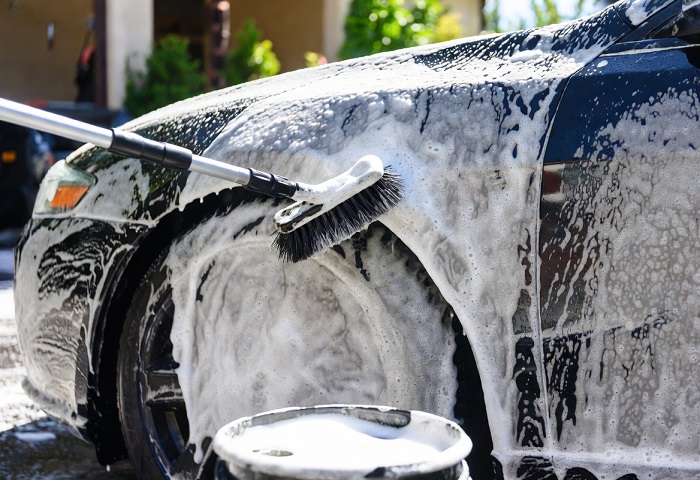
Traditional automatic car washes use spinning brushes made of rough foam or synthetic materials. These brushes trap grit and dirt from previous vehicles and drag it right across your paint. Over time, the damage adds up in the form of swirl marks, micro-scratches, and a dull, lifeless finish. A brushless car wash eliminates this problem entirely by relying on high-pressure water jets, soft cloth materials, or touchless technology to lift and remove dirt without any abrasive contact.
Whether you are a daily commuter trying to protect a modest sedan or a weekend enthusiast keeping a prized sports car in show condition, understanding how a brushless car wash works — and how to get the most out of one — is worth your time. This complete guide covers everything: how the technology works, the different types available, the real benefits for your paint, the best products to use, common mistakes to avoid, and much more.
What Is a Brushless Car Wash?
At its core, a brushless car wash is any car washing method that cleans your vehicle without using stiff rotating brushes that make direct abrasive contact with the paint surface. The name can refer to several different types of systems, and understanding the differences helps you choose the right option for your needs.
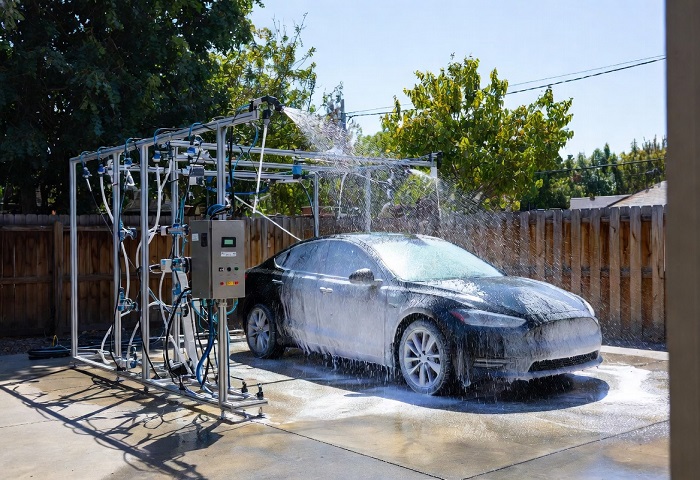
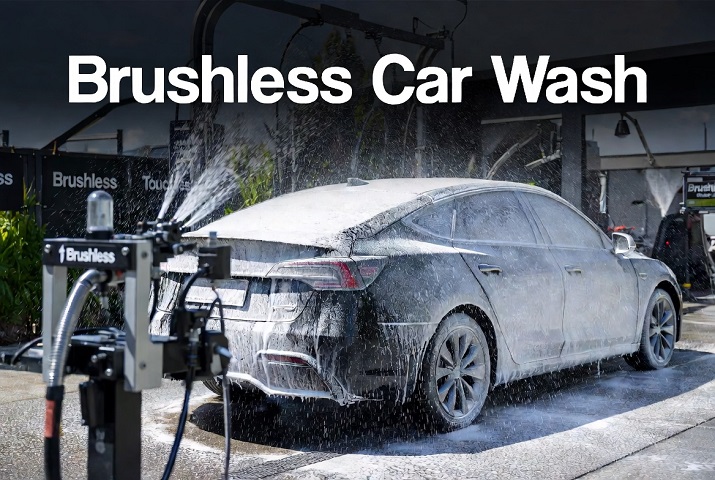
The most common form is the touchless automatic car wash, which uses high-pressure water jets and strong detergent sprays to blast dirt off the surface without any physical contact at all. There are no brushes, no foam pads, no cloth strips — just water and chemistry doing all the work.
Another form is the soft-touch brushless car wash, which uses ultra-soft microfiber or cloth strips instead of traditional brushes. These strips are gentle enough not to trap grit in the way that stiff brushes do, and they are replaced or cleaned regularly to maintain their safety for paint surfaces.
Finally, there is the hand wash method, which is considered the gold standard of brushless car wash techniques. When done correctly with proper microfiber mitts and the two-bucket method, hand washing avoids brushes entirely and delivers the best possible result for your paint.
How Does a Brushless Car Wash Work?
Understanding the mechanics behind a brushless car wash helps you appreciate why it is so much better for your vehicle than conventional alternatives.
In a touchless automatic system, the vehicle enters a bay where sensors map the shape and dimensions of the car. High-pressure water nozzles then spray the entire surface at precise angles and distances, loosening surface dirt and debris. A pre-soak detergent is applied first to chemically break down road grime, bird droppings, bug splatter, and other contaminants. Then a second rinse cycle clears everything away, followed by a rinse aid and drying agent that helps water sheet off the surface more easily.
The key advantage of this system is that nothing hard ever touches your paint. The water pressure does the mechanical work, and the chemistry does the lifting. The result is a clean vehicle with zero risk of brush-induced scratches.
In soft-cloth brushless car wash systems, the principle is slightly different. The cloth strips used are made from materials specifically engineered to be gentle on automotive finishes. They flex and conform to the shape of the vehicle rather than pressing hard against it. Many facilities using this system have strict maintenance protocols to ensure the cloth materials stay clean and free of trapped particles between uses.
The Real Benefits of a Brushless Car Wash
The benefits of choosing a brushless car wash over a traditional brush-based system go far beyond just avoiding scratches. Here is a detailed look at what you actually gain.
Paint Protection You Can See
The most visible benefit of a brushless car wash is the condition of your paint over time. Drivers who switch from brush washes to touchless or soft-touch methods consistently report that their paint looks glossier, clearer, and more vibrant. Swirl marks — those circular patterns visible in direct sunlight or under certain lighting — disappear from the washing process entirely.
Clear coat is the invisible protective layer sitting on top of your paint. Every scratch and swirl mark cuts through it slightly. Once the clear coat is compromised enough, the underlying paint becomes vulnerable to UV damage, oxidation, and fading. A brushless car wash preserves your clear coat and keeps your paint looking newer for longer.
Better Results on Modern Finishes
Modern cars often feature matte finishes, ceramic coatings, or vinyl wraps — all of which are extremely sensitive to abrasive contact. Traditional brush washes are simply not suitable for these surfaces. A brushless car wash is the only appropriate professional option for vehicles with these finishes, as any brush contact can permanently alter the look and texture.
Time and Convenience
Automatic brushless car wash facilities offer the same convenience as traditional automatic washes. You drive in, sit back, and drive out clean in a matter of minutes. There is no sacrifice of convenience for quality — you get both.
Water Efficiency
Many modern brushless car wash facilities, particularly touchless systems, are engineered for water efficiency. They use precisely calibrated nozzle pressures and recycled water systems to deliver a thorough clean with significantly less water waste than a home garden hose wash or older brush-based systems.
Safer for Add-On Features
If your car has a roof rack, spoiler, antenna, side mirrors with integrated cameras, or aftermarket accessories, brush systems can catch, snag, or damage these components. A brushless car wash, especially a touchless system, eliminates this risk entirely because nothing physical contacts these protruding elements.
Types of Brushless Car Wash Options
Not all brushless car wash methods are equal, and each has its own strengths depending on your situation. (15) Here is a breakdown of your main options.
Touchless Automatic Wash
This is what most people picture when they hear the term brushless car wash. You drive into a bay, the system takes over, and you get a thorough wash in three to five minutes with zero physical contact. It is ideal for a quick maintenance wash between deeper cleans. The limitation is that heavily soiled vehicles or those with thick, caked-on mud may not get fully clean from water pressure alone.
Soft-Touch Automatic Wash
This version of the brushless car wash uses microfiber or soft cloth strips instead of brushes. It tends to provide a slightly more thorough clean than pure touchless systems on moderately dirty vehicles while still being gentle on paint. The quality depends heavily on how well the facility maintains and replaces its cloth materials.
Hand Wash at Home
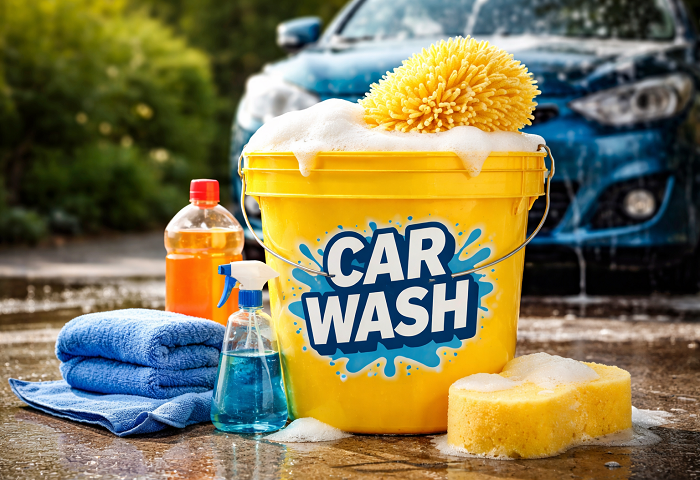
The DIY brushless car wash using microfiber mitts, proper car wash soap, and the two-bucket method is widely regarded as the best possible approach for paint care. It gives you complete control, uses no brushes whatsoever, and allows you to pay attention to detail in a way that no automated system can match. It takes more time, but the results speak for themselves.
Waterless Car Wash
A waterless brushless car wash uses a specially formulated spray product that encapsulates dirt particles and allows them to be wiped away with a microfiber towel without water. It is excellent for lightly soiled vehicles, parking garages, apartments with no outdoor wash area, and quick touch-ups between full washes. It is not suitable for heavily dirty vehicles, as the risk of dragging trapped particles across the paint increases with heavier contamination.
Rinseless Car Wash
Similar to a waterless approach, a rinseless brushless car wash uses a highly concentrated solution mixed with a small amount of water. You apply it with a microfiber mitt, wipe the panel clean, and move on without needing to rinse. It uses just a few gallons of water total, making it extremely environmentally friendly.
Brushless Car Wash vs. Traditional Brush Wash: A Direct Comparison
Many drivers wonder whether the switch to a brushless car wash is truly worth it or whether it is just marketing hype. The evidence strongly favors the brushless approach.
Traditional brush washes use rotating foam or synthetic brushes that spin at high speed against your paint. The problem is not the brushes themselves in theory — it is how they accumulate dirt. A brush that has washed 50 cars before yours carries contaminants from every single one of them. When those contaminants contact your paint at speed, they act like fine sandpaper, leaving the microscopic scratches that build into visible swirl marks over time.
A brushless car wash removes this variable entirely. Whether touchless or soft-touch, the materials either never contact your paint at all, or they contact it only with materials specifically selected and maintained to be safe for automotive finishes.
In terms of cleaning ability, traditional brush washes do have a slight advantage on heavily soiled vehicles because the mechanical action of brushes dislodges stuck-on dirt more aggressively. However, for the vast majority of routine washes on normally dirty vehicles, a quality brushless car wash system is more than capable of delivering a clean result without the damage.
Best Products for a Brushless Car Wash at Home
If you want to take the brushless car wash approach at home, choosing the right products makes all the difference.
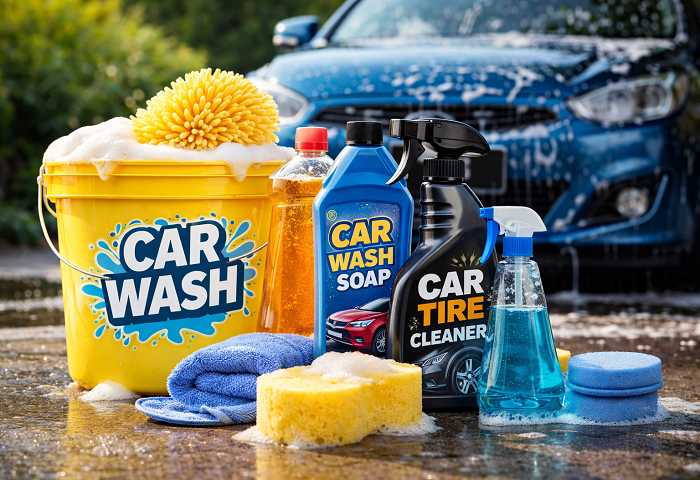
Car wash shampoo is the foundation. Choose a pH-neutral formula that is gentle on paint, wax, and ceramic coatings. Avoid anything with harsh degreasers unless you are cleaning the engine bay or wheels specifically.
Microfiber wash mitts are the backbone of any brushless car wash done by hand. Look for mitts with long, plush fibers that trap dirt deep inside rather than against your paint. Wash your mitts after every use and retire them if they become stiff, torn, or excessively worn.
Grit guards for your buckets prevent the dirt you remove from the car from being picked back up by your mitt. They are inexpensive and essential for a truly scratch-free result.
Drying towels made from high-pile microfiber absorb water quickly and glide over paint without dragging. A twist-pile drying towel is the most popular choice among detailing enthusiasts who use the brushless car wash method at home.
Spray detailer or quick detailer products are ideal for the finishing touch after a brushless car wash. They add a layer of gloss, remove any remaining light smudges, and leave a light protective coating on the paint surface. Some products are also safe to use as a drying aid, applied while the car is still wet to reduce friction during the drying process.
Wheel cleaner and tire dressing round out your product kit. Clean wheels and dressed tires complete the look after a thorough brushless car wash and protect rubber from UV-induced cracking.
Common Mistakes to Avoid With a Brushless Car Wash
Even when using a brushless car wash method, mistakes can happen that reduce the quality of your results or even damage your paint.
Using the wrong cloth or towel is the most frequent mistake. A cotton bath towel, a paper towel, or a worn-out cloth rag introduces exactly the kind of abrasive risk you are trying to avoid with a brushless car wash. Always use dedicated automotive microfiber products.
Applying too much pressure during hand washing or drying defeats the purpose of going brushless. Let the soap and microfiber do the work. A light touch is all that is needed when your products and technique are correct.
Not pre-rinsing before washing allows loose grit to get trapped in your mitt. Even the best brushless car wash technique can cause scratches if you skip the pre-rinse step that loosens and flushes away surface debris before contact begins.
Using a dirty mitt is just as bad as using a brush. Always start with a clean mitt and rinse it frequently during the wash to keep it free of trapped particles.
Washing in direct sunlight causes soap and water to evaporate too quickly, leaving residue and water spots regardless of the quality of your brushless car wash products and technique. Always work in shade or on a cool day.
Neglecting the wheels is a common oversight. Brake dust and road grime on wheels can splatter onto a freshly cleaned body panel if you clean the wheels last. Always tackle the wheels first before starting the main brushless car wash process on the body.
How Often Should You Use a Brushless Car Wash?
The frequency with which you should use a brushless car wash depends on your environment and how much you care about maintaining your paint.
For most drivers, a thorough wash every one to two weeks is ideal. This frequency prevents contaminants from bonding permanently to the paint and keeps your vehicle looking presentable without over-washing, which can slowly wear down wax protection over time.
If you live in a coastal environment with salt air, drive frequently on muddy or dusty roads, or park under trees that drop sap and berries, you will benefit from more frequent washing. In these cases, a quick touchless brushless car wash once a week keeps the worst contamination from sitting on your paint long enough to cause damage.
In winter, particularly in regions where roads are treated with salt and chemicals, washing every week — or even after every major storm — is genuinely important for corrosion prevention, especially on the undercarriage.
Brushless Car Wash and Paint Protection: The Long Game
One of the smartest things you can do after establishing a regular brushless wash routine is to add a layer of paint protection that makes future washes even more effective.
Car wax applied every three to four months creates a sacrificial barrier on top of your clear coat. Contaminants bond to the wax rather than the paint, and they wash off far more easily during your next brushless car wash session.
Ceramic coating is a longer-term investment that offers far superior protection. A professionally applied ceramic coating can last two to five years and creates an extremely hydrophobic surface — meaning water, dirt, and grime bead up and slide off with minimal effort. Once your car has a ceramic coating, your brushless car wash results become noticeably better every single time.
Paint protection film (PPF) goes even further by providing a physical barrier against stone chips, scratches, and road debris. It is most commonly applied to high-impact areas like the front bumper, hood, and mirrors.
Is a Brushless Car Wash Worth It?
The short answer is yes — absolutely. The combination of better paint condition over time, reduced risk of scratches, compatibility with modern finishes, and the sheer peace of mind that comes with knowing your car is being cleaned without abrasive contact makes the brushless approach clearly superior for anyone who cares about their vehicle.
The slightly longer wash times for a home hand wash are the only real trade-off, and even that is offset by the fact that you will spend far less money on paint correction services down the road. Professional paint correction to remove swirl marks and scratches caused by brush washes can cost hundreds to thousands of dollars depending on the severity of the damage.
For drivers who prefer the convenience of an automatic facility, the growing availability of high-quality touchless and soft-touch brushless car wash stations in most cities and towns means that the choice between brushless and brush is easier to make than ever before.
Final Thoughts
The case for choosing a brushless car wash over traditional brush-based alternatives is compelling, well-supported, and easy to act on. Whether you opt for a touchless automatic facility, a soft-touch system, or a careful home hand wash with premium microfiber tools, you are making a choice that respects your paint, extends the life of your vehicle’s finish, and delivers results that look and feel noticeably better.
The investment in the right products — a good microfiber mitt, quality car wash shampoo, proper drying towels, and perhaps a spray detailer or wax for protection — pays for itself quickly when you consider what you are protecting. Your car’s paint is a significant part of its overall value and appearance, and it deserves a cleaning method that is as gentle as it is effective.
Make the switch, build the habit, and your paint will thank you every time you look at it in the sunlight.