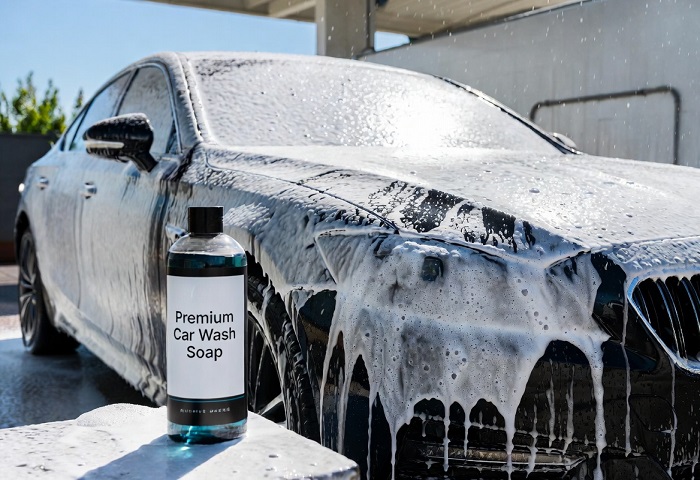
Introduction: Why the Right Car Wash Soap Matters
Every car owner wants their vehicle to look its best. Whether you drive a daily commuter or a weekend showcar, keeping the exterior clean is not just about appearances — it directly affects your car’s paint, resale value, and long-term condition. But here is the thing most people overlook: the type of car wash soap you use matters far more than most people realize.
Using the wrong soap — like household dish soap or generic all-purpose cleaners — can strip away your car’s protective wax coating, dry out rubber seals, and even cause micro-scratches over time. The right car wash soap, on the other hand, lifts dirt safely, preserves your paint protection, and leaves a clean, streak-free shine without damaging any surface.
In this complete guide, we will walk you through everything you need to know about car wash soap — from understanding what makes a great formula to the top products on the market, how to use them correctly, and pro-level tips that take your wash from average to exceptional.
What Is Car Wash Soap and Why Is It Different?
Car wash soap is a specially formulated cleaning solution designed to remove dirt, grime, road tar, bird droppings, and environmental contaminants from a vehicle’s exterior without harming the paint, clear coat, or wax layer. Unlike regular household soaps or detergents, a proper car washing soap is pH-balanced, lubricated, and gentle enough to protect delicate automotive finishes.
The key difference lies in the chemistry. Dish soaps and household cleaners are designed to cut through grease aggressively — which is great for your dinner plates but disastrous for your car’s paint. They break down not just dirt, but also the wax and polymer sealants that protect your clear coat from UV damage, oxidation, and water spots.
A quality car wash soap, by contrast, is formulated to:
- Lift and encapsulate dirt particles without scratching the surface
- Maintain the pH balance that keeps paint and clear coat healthy
- Produce thick, lubricating suds that let your wash mitt glide safely
- Preserve existing wax, ceramic coatings, and paint sealants
- Rinse off cleanly without leaving residue or streaks
Understanding this distinction is the foundation of smart car care, and it all starts with choosing the right product.
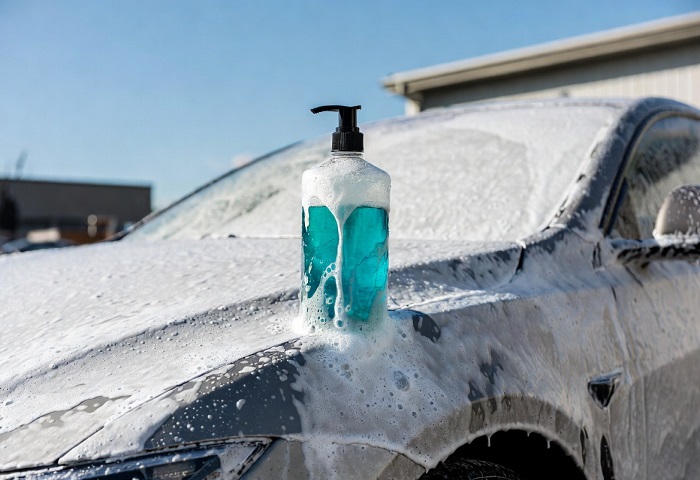
Types of Car Wash Soap: Which One Do You Need?
Not all car wash soaps are created equal. There are several distinct categories, each designed for a specific purpose or application method. Knowing the difference will help you pick the right product for your situation.
pH-Balanced Car Soap
This is the most common and widely recommended type. pH-balanced car washing soap sits in the neutral range (around 7 on the pH scale), making it safe for all paint types, clear coats, rubber trim, plastic, glass, and chrome. It produces good suds, cleans effectively, and rinses off easily. Most daily-use car wash soaps fall into this category.
Wash and Wax Car Soap
Some car wash soaps include wax or polymer additives that deposit a thin protective layer on the paint as you wash. This is a convenient option if you want to add a quick layer of protection without a separate waxing step. It is not a replacement for a full wax treatment, but it does help extend the life of existing protection and adds a nice shine with minimal effort.
Foam Car Wash Soap
Designed to be used with a foam cannon or foam gun attached to a pressure washer, foam car washing soap creates a thick, clingy foam that blankets the vehicle and dwells on the surface to loosen dirt before you ever touch the paint. This pre-wash step is popular among detailing enthusiasts because it dramatically reduces the risk of swirl marks and scratches.
Car Wash Concentrate
Concentrated car wash soap is sold in a smaller bottle but can be diluted significantly with water before use. This is a cost-effective choice for regular washers. Always follow the manufacturer’s dilution ratio — using too much concentrate does not necessarily mean a better clean and can sometimes leave residue.
Waterless Car Wash Soap
For those who live in water-restricted areas or want a quick refresh without a full wash, waterless car wash solutions are spray-on formulas that encapsulate dirt and allow you to wipe it away with a microfiber towel. These are best used on lightly soiled vehicles and should not be used on heavily dirty cars, as dragging debris across the paint can cause scratches.
Car Detailing Soap
High-end car detailing soap is formulated for enthusiasts and professional detailers who want exceptional results. These products are often free of wax additives (so they do not interfere with paint correction or coating prep), super-concentrated, and generate an impressive amount of lubrication and foam.
How to Choose the Best Car Wash Soap for Your Vehicle
With dozens of products on the market, choosing the right car wash soap can feel overwhelming. Here are the key factors to evaluate before you buy.
Check for pH Balance
Always look for a soap labeled as pH-neutral or pH-balanced. This ensures it will not strip your wax or damage your paint finish. Most reputable brands list this on the label or in the product description.
Consider Your Paint Protection
If your car has a ceramic coating, be sure to choose a car wash soap specifically labeled as safe for ceramic coatings. Some soaps contain gloss enhancers or wax additives that can interfere with ceramic hydrophobicity. Similarly, if your car is wrapped in vinyl, look for a soap that is safe for vinyl surfaces.
Look at the Lubricity
Lubricity refers to how slick and slippery the suds are. More lubrication means your wash mitt glides more smoothly across the paint, which reduces the risk of introducing fine scratches and swirl marks. High-lubricity car washing soaps are especially important if you have a dark-colored vehicle where swirls are more visible.
Foaming Ability
While suds do not equal cleaning power, foam does play an important role. Good foam helps lift and suspend dirt particles above the paint surface so they are not dragged across the clear coat. If you use a foam cannon, look for a car wash soap specifically labeled for foam cannons for best results.
Scent and Packaging
This might seem trivial, but a pleasant scent can make the washing experience more enjoyable. Many car wash soaps come in fruit or floral scents. Packaging matters too — a quality flip-top or pump bottle makes measuring and applying easier without spills.
Concentration Ratio
Concentrated car wash soaps offer better value over time. A 16 oz bottle that mixes at 1:100 will last far longer than a ready-to-use product. Calculate cost per wash rather than cost per bottle when comparing prices.
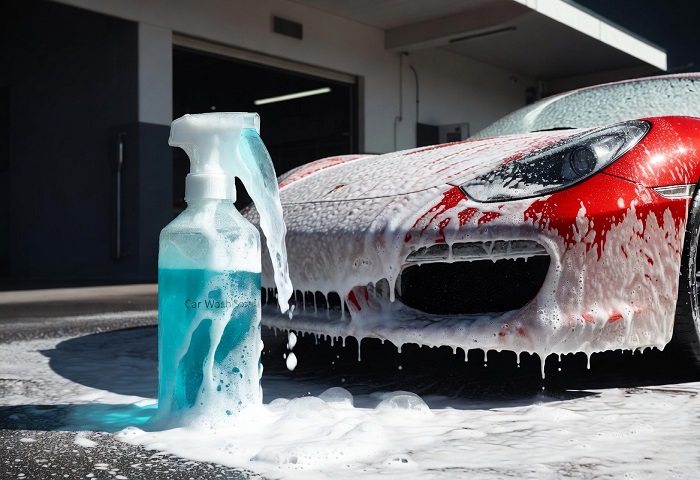
Top Car Wash Soap Products Worth Considering in 2026
The car care market is rich with excellent products across all price points. Here is a breakdown of some highly regarded options that consumers and professionals consistently recommend.
For Everyday Washing: Look for products that offer excellent pH balance, good foam generation, and easy rinse-off. Many trusted automotive brands produce reliable everyday car wash soaps that check all these boxes without breaking the bank. A one-bucket or two-bucket wash with these soaps will give you a clean, protected finish every time.
For Foam Cannon Users: If you own a foam cannon, look for high-foaming, low-pH car wash soaps with a thick consistency. These products generate the satisfying snow-foam effect that clings to the paint and maximizes dwell time for safe dirt removal.
For Ceramic Coated Cars: Choose a ceramic-coating-safe car washing soap that is free of wax, silicone, and other additives. These soaps clean thoroughly without compromising the hydrophobic properties of your coating.
For Show Cars and Detailing: Dedicated car detailing soaps offer the highest level of lubricity, cleaning performance, and rinse clarity. Many professionals use these products before paint correction or coating application because they leave no film or residue behind.
Budget-Friendly Picks: There are many solid car wash soap options available at accessible price points that still offer pH balance, good lubricity, and satisfying foam. You do not have to spend a fortune to wash your car correctly.
Step-by-Step Guide: How to Wash Your Car the Right Way
Having the right car wash soap is only half the battle. Technique matters enormously. Follow this process to get the best results while protecting your paint.
What You Will Need
To do the job properly, gather your car wash soap, two clean buckets, a high-quality microfiber wash mitt, a separate microfiber mitt or brush for wheels, a garden hose or pressure washer, and clean microfiber drying towels.
Step 1 — Rinse the Vehicle First
Before applying any soap, thoroughly rinse the entire vehicle with water. This removes loose dirt, dust, and debris that would otherwise be dragged across the paint during washing. A pressure washer is ideal for this step, but a hose with good pressure works well too. Pay extra attention to the wheel wells, lower panels, and door jambs where grime accumulates.
Step 2 — Set Up the Two-Bucket Method
Fill one bucket with your diluted car wash soap and water mixture, and fill a second bucket with plain, clean rinse water. The two-bucket method is the single biggest improvement most casual car washers can make. After each pass with your wash mitt, dunk it in the rinse bucket and agitate to release the dirt before reloading it with fresh soapy water. This prevents you from dragging contaminated water back onto the paint.
Step 3 — Wash from Top to Bottom
Always start washing at the roof and work your way down to the lower panels. The dirtiest areas of the car — the rocker panels, bumpers, and lower doors — are where the most road grime accumulates. Washing these last prevents you from dragging that heavy contamination onto cleaner upper surfaces.
Step 4 — Use Straight-Line Motions
Avoid circular or swirling motions with your wash mitt. Use straight, overlapping strokes that go from front to back. Circular motions are what create the swirl marks you see on dark cars under direct sunlight.
Step 5 — Wash the Wheels Separately
Always wash wheels with a dedicated brush or separate wash mitt — never use the same mitt you use on the paint. Brake dust and road grime on wheels contain metal particles that can contaminate your paint mitt and cause serious scratching.
Step 6 — Rinse Thoroughly
Rinse the vehicle completely from top to bottom, making sure no soap residue remains. Soap left on the paint can dry and leave water spots or a filmy residue.
Step 7 — Dry Immediately
Never let your car air dry. Water evaporation leaves behind mineral deposits that cause water spots. Use clean, plush microfiber drying towels and work quickly. A forced-air blower is even better for getting water out of cracks and trim areas.
Common Car Washing Mistakes to Avoid
Even with great car wash soap in hand, these common errors can undermine your results.
Washing in direct sunlight is one of the most frequent mistakes. The heat causes water and soap to evaporate quickly, leaving spots and residue before you can rinse. Always wash in the shade or during cooler parts of the day.
Using the wrong sponge is another issue. Old-fashioned cellulose sponges trap dirt against the paint surface. Switch to a quality microfiber wash mitt that allows dirt to be pushed away from the surface rather than dragged across it.
Not rinsing the car first before soaping is a recipe for swirl marks. Always pre-rinse to knock off loose debris.
Neglecting to clean your wash mitts regularly is also harmful. A dirty, contaminated mitt is worse than no mitt at all. Wash your microfiber mitts after every use in a dedicated laundry wash.
Using too little soap is counterproductive. The suds produced by car washing soap provide lubrication. Skimping on product and using a watery solution defeats much of the purpose. Follow the dilution ratio on the product label.
Pro Tips for a Showroom-Quality Finish
Here are a few detailer secrets that take your car wash results to the next level.
Add a few drops of detail spray or quick detailer to your drying bucket as a drying aid. This boosts lubrication as you dry and adds a layer of shine.
Use a clay bar after washing once or twice a year. Even after a perfect wash, contamination can bond to the paint that soap will not remove. A clay bar treatment pulls out embedded particles and leaves the paint silky smooth.
Follow your wash with a spray sealant or quick detailer wax. These products take just minutes to apply and dramatically improve how your paint looks and how water beads off between washes.
Invest in a two or three-gallon foam cannon bucket system if you wash frequently. The pre-wash foam step alone can halve the contact time your mitt spends on contaminated paint, significantly reducing the chance of scratching.
Consider a paint decontamination spray once a season. These iron removers chemically dissolve brake dust and metallic fallout that bonds to paint and wheels, making your subsequent car wash soap more effective.
How Often Should You Wash Your Car?
Most car care experts recommend washing your vehicle every two weeks as a general rule. However, frequency depends on your environment and driving habits. If you live in an area with heavy road salt in winter, frequent bird activity, industrial fallout, or drive on dusty roads, you should wash more often — sometimes weekly.
Leaving contaminants like bird droppings, tree sap, or bug splatter on the paint for extended periods can cause permanent damage to the clear coat. These substances are acidic and can etch into the paint if left for more than a few days in warm weather.
On the other hand, over-washing — especially with improper technique — can accumulate micro-abrasion damage over time. This is why correct car wash soap and proper washing technique matter as much as frequency.
Conclusion: Invest in the Right Car Wash Soap
Taking care of your car’s exterior begins with one simple product: the right car wash soap. It is the foundation of every great wash, the product that sets the tone for everything else in your car care routine. Whether you are a casual washer who wants to keep your daily driver clean, or a passionate enthusiast dedicated to maintaining a flawless show-quality finish, the right car washing soap makes all the difference.
Choose a pH-balanced formula suited to your specific needs — whether that is a foam cannon soap, a detailing-grade product, a wash and wax formula, or a ceramic-safe option. Pair it with good technique, quality tools, and a consistent washing schedule, and your vehicle will thank you with a finish that turns heads for years to come.
The investment in quality car wash soap is minimal compared to the cost of paint correction, detailing services, or a new paint job. A few dollars and thirty minutes every couple of weeks is all it takes to keep your vehicle looking like it just rolled off the showroom floor.