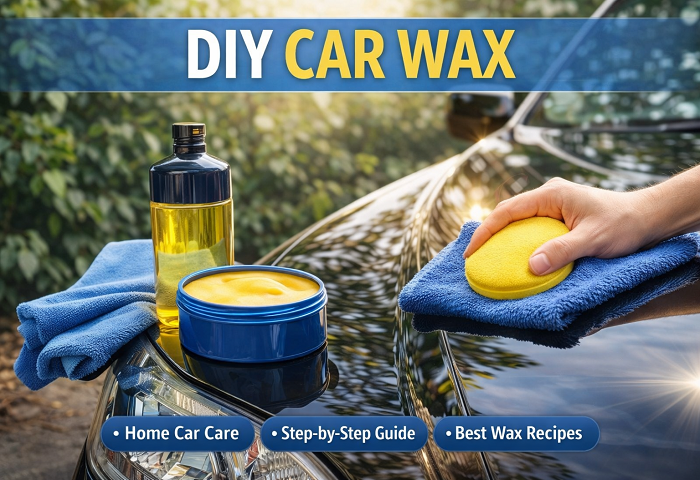
Introduction
The smell of a freshly waxed car is a rite of passage for any automotive enthusiast. But as you walk down the chemical aisle of your local auto shop, the price tags on premium “boutique” waxes can be staggering. Have you ever wondered if you could recreate that high-end, mirror-like finish in your own kitchen?
The answer is a resounding yes.
In this comprehensive guide, we are diving deep into the world of diy car wax. We will explore the chemistry of shine, the ingredients that actually matter, and provide you with a step-by-step masterclass on brewing your own paint protection. By the end of this article, you’ll not only save money but also have the satisfaction of knowing exactly what is touching your car’s clear coat.
Why Choose DIY Car Wax?
Before we get into the “how,” let’s talk about the “why.” Why should you spend an afternoon melting wax when you can buy a tub for twenty bucks?
1. Total Ingredient Transparency
Most commercial waxes are filled with petroleum distillates, synthetic solvents, and artificial fragrances. While these make the product shelf-stable and easy to spread, they aren’t always the best for your paint—or your lungs. When you make your own, you control the purity.
2. Customization for Your Climate
Does your car live in the blistering heat of Arizona or the humid salt air of the coast?
-
For Heat: You can increase the percentage of carnauba wax to raise the melting point.
-
For Shine: You can add specific natural oils like linseed oil or coconut oil for a “wet” look.
3. Professional Results at a Fraction of the Cost
A 16oz jar of high-end carnauba paste wax can retail for $50 to $150. You can manufacture the same volume of high-quality diy car wax for less than $10 in raw materials.
The Core Ingredients: Understanding the Chemistry
To make a wax that actually protects, you need three main components: a Hardener, a Bonder, and a Carrier.
The Hardener: Carnauba Wax
Known as the “Queen of Waxes,” carnauba is harvested from the leaves of the Brazilian palm tree, Copernicia prunifera. In its natural state, it is harder than concrete. It provides the heat resistance and the legendary “deep” glow that enthusiasts crave.
The Bonder: Beeswax
Beeswax acts as the bridge. It’s softer than carnauba and helps the mixture adhere to the paint surface. It also adds a layer of water repellency (hydrophobicity) that makes rain bead off instantly.
The Carrier: Natural Oils and Solvents
To make the hard waxes spreadable, you need a carrier.
-
Coconut Oil: Great for a smooth application.
-
Linseed Oil: Traditionally used to add luster.
-
Orange Oil (D-Limonene): A natural solvent that helps the wax “bite” into the surface and smells incredible.
The Master DIY Car Wax Recipe
This recipe creates a premium “Paste Wax” that rivals professional-grade products.
| Ingredient | Amount | Purpose |
| Carnauba Wax Flakes | 2 oz | Hardness & High Shine |
| Yellow Beeswax | 1 oz | Bonding & Durability |
| Extra Virgin Coconut Oil | 4 oz | Spreadability |
| Pine Turpentine or Orange Oil | 1 oz | Solvent/Cleaner |
Instructions:
-
The Double Boiler Method: Never melt wax over a direct flame. Use a double boiler (a bowl over a pot of simmering water) to melt the carnauba and beeswax together.
-
Combine Oils: Once the waxes are liquid, stir in the coconut oil.
-
Cooling & Adding Solvent: Remove from heat. Let it cool for 2 minutes, then stir in your natural solvent (Orange oil).
-
The Set: Pour the liquid into a wide-mouth tin or glass jar. Let it sit for 24 hours to fully cure into a solid paste.
Application: How to Use Your DIY Creation
Having the best diy car wax is only half the battle; application is where the magic happens.
Step 1: The Deep Clean
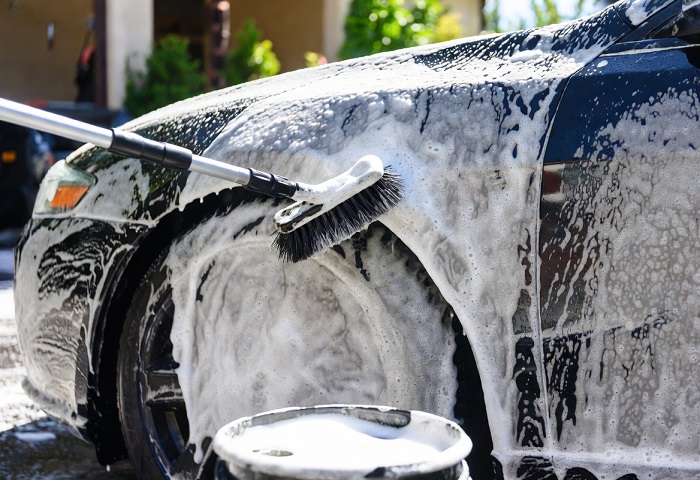
Wax is a protectant, not a cleaner. If you wax over dirt, you are just “sealing in” the grime. Wash the car thoroughly with a pH-neutral soap and use a clay bar to remove embedded contaminants.
Step 2: The “Thin is Win” Rule
Most people apply too much wax. This makes it difficult to buff off and creates streaks. Use a foam applicator pad, swipe a tiny amount of your diy car wax, and apply it in small, circular overlapping motions.
Step 3: The Haze Test
Wait about 5-10 minutes. Swipe your finger across the wax. If it smears, it’s not ready. If it leaves a clean, shiny trail, it’s “hazed” and ready to be buffed.
Step 4: The Final Buff
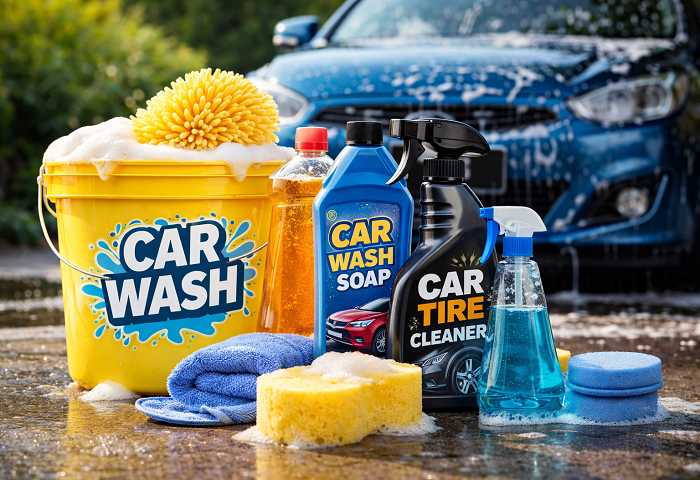
Use a high-quality, clean microfiber towel. Turn the towel frequently. You’ll feel the resistance drop as the wax levels out, leaving behind a glass-like finish.
Maintenance and Longevity
Because diy car wax uses natural ingredients, it typically lasts 2 to 3 months depending on weather exposure. To extend the life of your shine:
-
Avoid automatic car washes with harsh “strip” soaps.
-
Use a “quick detailer” spray after weekly washes to boost the wax layer.
-
Store your homemade wax in a cool, dark place to prevent the oils from separating.
Final Thoughts
Creating your own diy car wax is a rewarding weekend project that connects you more deeply with your vehicle. It’s a blend of science, craft, and pride. Next time someone asks how you got your paint looking so deep and vibrant, you can tell them you didn’t just buy the shine—you made it.
Ready to start? Gather your ingredients and give your car the natural, chemical-free protection it deserves.
How often do you currently wax your vehicle, and are you looking for more durability or more shine?