Introduction
You have probably noticed it before — a car that looks clean and polished on the road, its paint catching the sunlight just right, windows perfectly clear, and wheels gleaming without a trace of brake dust. There is a good chance the owner practices a consistent light car wash routine. It is one of the most underrated yet powerful habits a vehicle owner can build. Not every wash needs to be a deep detail session. In fact, regular light car washing is often more important than occasional heavy cleaning.
A light car wash refers to a quick, gentle cleaning session designed to remove everyday dust, light dirt, pollen, water spots, and surface grime from your vehicle without putting it through the stress of a heavy scrub or a full detail. This type of wash is ideal for vehicles that are used daily and exposed to normal road conditions, light weather, and urban dust. It protects your paint, saves water, takes less time, and when done correctly, keeps your car looking brand new year-round.
In this comprehensive guide, we will walk you through everything you need to know about light car washing — from the best methods and the right products to step-by-step techniques, common mistakes to avoid, and how to compare different wash options. Whether you are a first-time car owner or someone looking to level up their car care routine, this article has everything you need.
What Is a Light Car Wash and Why Does It Matter?
A light car wash is any cleaning process that removes surface-level dirt and contaminants from a vehicle using gentle techniques. It can be as simple as a waterless spray and wipe using a microfiber cloth, a touchless rinse station pass, or a careful hand wash with a pH-balanced car shampoo and a soft wash mitt. The key word here is “gentle.” The goal is not to strip wax, scrub hard, or pressure-blast every inch. Instead, it is about maintaining a base level of cleanliness that protects the vehicle’s paint and finish between deeper cleaning sessions.
Why does it matter so much? Because your car’s exterior is constantly under attack. Dust settles on paint within hours of washing. Bird droppings, tree sap, and pollen land on surfaces and, if left uncleaned, can etch into clear coat within days. Road grime and brake dust accumulate around wheels and lower body panels. Even morning dew, when it dries, leaves mineral deposits on glass and paint. A regular light car wash is the first line of defense against all of these threats.
Types of Light Car Wash Methods
There is no single correct way to do a light car wash. The best method depends on your vehicle type, available resources, location, and how much time you have. Here is a breakdown of the most popular approaches.
1. Waterless Car Wash
A waterless car wash is exactly what it sounds like — you clean the car’s surface without using any water from a hose or bucket. Specialized waterless spray products contain advanced lubricating surfactants that encapsulate and lift dust and light dirt off the paint surface. You spray the product onto a panel, let it dwell for a few seconds, then gently wipe it away with a clean, soft microfiber cloth. It is ideal for vehicles with light to moderate dust and an excellent choice for people living in apartments, areas with water restrictions, or those who want a quick five to ten minute refresh.
The best waterless products also leave behind a layer of wax or sealant protection, so you are both cleaning and protecting in a single step. However, this method is only suitable for light car wash scenarios — vehicles caked in thick mud, heavy road grime, or dried insect splatter will need a traditional rinse first.
2. Touchless or Rinseless Car Wash
A rinseless car wash sits between a full bucket wash and a waterless product. You mix a small amount of a specialized rinseless shampoo with a few gallons of water in a single bucket, soak a microfiber wash mitt in the solution, and wash the car panel by panel. Because these shampoos contain strong encapsulating polymers, they lift dirt so effectively that no post-wash rinse is required. One bucket, one mitt, one dry towel — done. This method is popular among car enthusiasts who want a proper light car wash but do not have access to an outdoor hose.
3. Traditional Two-Bucket Hand Wash
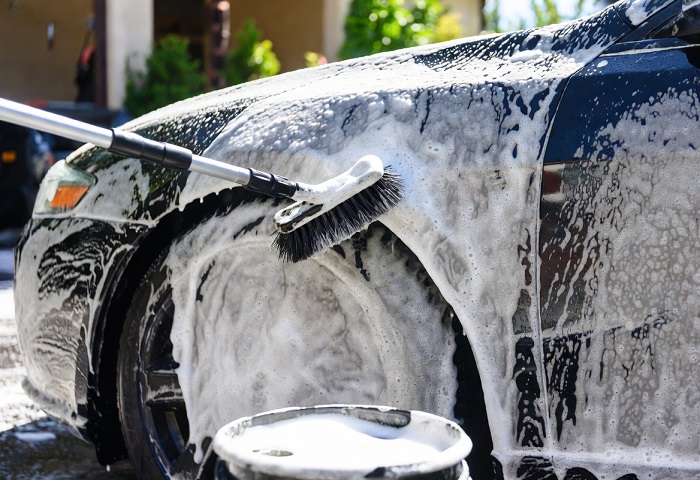
The two-bucket hand wash method is the gold standard for a safe, thorough light car wash at home. You use one bucket filled with soapy water (a proper pH-balanced car shampoo) and a second bucket with clean water for rinsing your wash mitt. Before washing each panel, you dip your mitt into the rinse bucket to remove trapped dirt, then reload it with clean suds from the wash bucket. This prevents contaminated water from being dragged across your paint — a major cause of fine swirl marks.
Use a quality microfiber or lambswool wash mitt, work from the roof down, and rinse each section before moving to the next. This method takes around 30 to 45 minutes for a standard vehicle, but it delivers the safest and most thorough light car wash result without any heavy scrubbing.
4. Automatic Touchless Car Wash
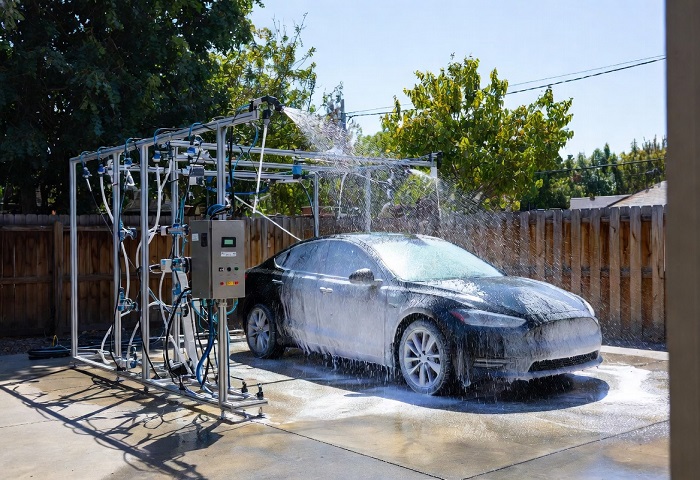
If you prefer a hands-off approach, an automatic touchless car wash is a convenient and paint-safe option for a regular light car wash. These systems use high-pressure water jets and specially formulated cleaning chemicals to blast away dirt without any physical brushes, cloths, or contact. They are fast (usually under seven minutes), widely accessible, and significantly reduce the risk of scratches or swirl marks compared to older brush-based systems. They work best when your vehicle is lightly to moderately dirty — heavy mud or baked-on grime may need a pre-rinse.
| Method | Time Required | Water Usage | Best For | Paint Safety |
|---|---|---|---|---|
| Waterless Wash | 5–10 mins | None | Light dust, urban daily drivers | Excellent |
| Rinseless Wash | 15–25 mins | 1–2 gallons | Moderate dirt, no hose access | Excellent |
| Two-Bucket Hand Wash | 30–45 mins | 20–40 gallons | Weekly maintenance wash | Very Good |
| Automatic Touchless | 5–7 mins | 30–50 gallons* | Convenience, busy schedules | Very Good |
Step-by-Step Guide to the Perfect Light Car Wash at Home
Let us walk through the ideal process for a two-bucket hand wash — the most comprehensive and safe DIY light car wash method.
1. Gather Supplies
Two buckets, car shampoo, wash mitt, microfiber drying towel, wheel brush
Hose down the entire vehicle to loosen and remove loose dirt before touching the paint
Wheels are the dirtiest part — clean them separately with a dedicated brush
Always wash from roof down to panels, using straight line motions — never circular
Rinse the entire car thoroughly with clean water, letting it sheet off naturally
Blot dry with a soft microfiber towel to prevent water spots and mineral deposits
Timing Matters More Than You Think
One of the most overlooked aspects of a successful light car wash is timing. Never wash your car when the body panels are hot from driving or from sitting in direct sunlight. When paint is warm, soap and water dry far faster than you can rinse them, leaving behind stubborn soap residue and water spots that can be nearly impossible to remove without a clay bar or polish. The best time for a light car wash is early morning before the sun is high, or late afternoon as the temperature drops. Overcast days are ideal.
Choosing the Right Products for a Light Car Wash
The products you use in a light car wash make a significant difference in both the results you get and the protection you leave behind. Here is what to look for and what to avoid.
Car Shampoo and Soap
Always use a dedicated automotive car wash soap or shampoo — never household dish soap, laundry detergent, or glass cleaner. Household soaps are formulated to strip grease aggressively, which is great for dishes but devastating for automotive paint. They remove the wax and polymer sealants that protect your clear coat, leaving the paint vulnerable to oxidation, UV damage, and contamination. Look for a pH-balanced car shampoo that is gentle on existing wax and coatings.
Wash Mitt vs. Sponge
A microfiber wash mitt or a genuine lambswool mitt is far superior to a traditional sponge for a light car wash. Sponges have a flat surface that drags trapped dirt across the paint. Microfiber mitts have thousands of tiny fibers that trap dirt particles away from the paint surface inside the pile, dramatically reducing the chance of fine swirl marks and light scratches. For wheels, use a separate dedicated brush — never use your paint mitt on wheels and then back on the body.
Drying Tools
Skipping the drying step or using the wrong towel is one of the most common light car wash mistakes. Letting your car air dry leaves behind mineral-rich water droplets that evaporate and leave water spot marks. An old terry cloth towel or a rough rag can cause fine scratches. Use a large, plush microfiber drying towel and blot the surface rather than dragging the towel across the paint. For faster drying, a leaf blower set to low can be incredibly effective at removing water from mirrors, door jambs, and panel gaps where towels cannot reach.
Quick Detailer Spray
A quick detailer spray is a great finishing product for a light car wash. After drying, a few sprays of a quick detail product and a light buff with a clean microfiber cloth add a layer of lubrication and UV protection to the paint surface. It enhances gloss, repels new dust, and fills in any micro-surface imperfections left by the wash. This single extra step can make your light car wash results look genuinely professional.
Benefits of Regular Light Car Washing
Some car owners wash their vehicles only when they look noticeably dirty. This is a mistake. Here is why a consistent light car wash routine delivers benefits that go far beyond just appearances.
- Paint protection: Removing acidic contaminants like bird droppings, tree sap, and industrial fallout before they bond to the clear coat prevents permanent damage and costly paint correction.
- Resale value: Vehicles with well-maintained paint and no swirl marks or oxidation consistently sell for higher prices than neglected ones. Regular light car washing is one of the best long-term investments you can make in your vehicle.
- Safety improvements: Clean windows, mirrors, and headlights directly affect driving visibility. A quick light car wash ensures your glass surfaces are clear and your lighting is unobstructed.
- Rust prevention: Road salt, moisture, and mud trapped in wheel wells and along the lower body panels accelerate rust. Regular washing removes these corrosive materials before they can cause lasting damage.
- Cost savings: Catching surface contamination early with a light car wash means you spend less on paint correction, professional detailing, and rust treatment over the vehicle’s lifetime.
- Mental well-being: This may sound trivial, but driving a clean car genuinely improves mood and confidence. It also encourages better interior habits and overall vehicle upkeep.
Common Light Car Wash Mistakes to Avoid
Even well-intentioned car owners can damage their vehicles by using the wrong techniques or products. Here are the most common mistakes to steer clear of when doing a light car wash.
Washing in Direct Sunlight
As mentioned earlier, washing a hot car in direct sunlight causes soap and water to dry before you can rinse, leaving streaks and water spots. Always choose a shaded location or wash during cooler parts of the day.
Using the Same Mitt for Wheels and Body
Wheels accumulate brake dust and road tar — some of the most abrasive substances your car encounters. Bringing a wheel-contaminated mitt to the paint surface during a light car wash is a guaranteed way to create fine scratches. Use two separate mitts, or clean your wheel brush thoroughly before switching to the body.
Circular Scrubbing Motions
Circular scrubbing looks thorough but creates spiral scratch patterns called swirl marks that become visible in direct sunlight. Always wash in straight, overlapping lines — front to back or top to bottom — never in circles.
Skipping the Pre-Rinse
Applying a wash mitt to a dry, dusty car before rinsing the loose surface dirt off is equivalent to rubbing sandpaper on your paint. Always pre-rinse thoroughly before making any physical contact with the surface during your light car wash.
Using One Dirty Bucket
A single-bucket wash is a common shortcut that costs paint quality. Every time you dip a dirty mitt back into the single wash bucket, you are reintroducing dirt and grit into your soapy water and then spreading it back on the car. The two-bucket method is non-negotiable for a safe light car wash.
Light Car Wash vs. Full Detailing — When Do You Need Which?
A light car wash and a full professional detail serve very different purposes, and understanding the difference will save you time and money over the long run.
A light car wash is a maintenance activity — it removes surface dirt and fresh contaminants to keep the paint in good condition and preserve any existing protective coatings. It should happen every one to two weeks, or even more frequently if you drive in dusty conditions. It takes anywhere from five minutes (waterless) to 45 minutes (two-bucket hand wash) depending on your chosen method.
A full detail is a corrective and restorative process. It includes clay bar decontamination to remove embedded particles, machine polishing to remove swirl marks and light scratches, and the application of fresh wax, ceramic coating, or paint sealant. A full detail typically takes several hours and is done every three to six months depending on driving conditions, exposure to the elements, and how diligently the owner maintains the car between sessions with regular light car washing.
Think of it this way: a light car wash keeps the condition stable, while a detail restores and elevates it. The more consistently you perform light car washes, the less correction work is needed during each detail — and the more money and time you save.
Eco-Friendly Light Car Wash Options
For environmentally conscious vehicle owners, there are genuinely green light car wash options that reduce water consumption and chemical runoff without compromising cleanliness.
Waterless and rinseless wash products are the most eco-friendly light car wash methods available. A waterless wash requires zero water, while a rinseless wash uses only one to two gallons compared to the 20 to 50 gallons consumed by a traditional hose wash. Many commercial touchless automatic car washes also use closed-loop water recycling systems that reclaim and filter used water, reducing effective water consumption by 30 to 50 percent compared to home washing. Additionally, many modern car wash shampoos and detailers use biodegradable formulas that break down safely without contaminating local waterways — an important consideration since driveway runoff carrying soap and chemicals often flows directly into storm drains and eventually natural water bodies.
Frequently Asked Questions About Light Car Washing
Final Thoughts
A consistent light car wash routine is one of the smartest, most cost-effective habits a vehicle owner can develop. It protects your paint from acid damage, prevents rust, improves visibility and safety, preserves resale value, and keeps your car looking sharp every single day. Whether you choose a five-minute waterless spray, a rinseless bucket method, or a careful two-bucket hand wash, the key is regularity and using the right tools and products. Start simple, stay consistent, and you will never need to spend a fortune on paint correction or professional detailing again.