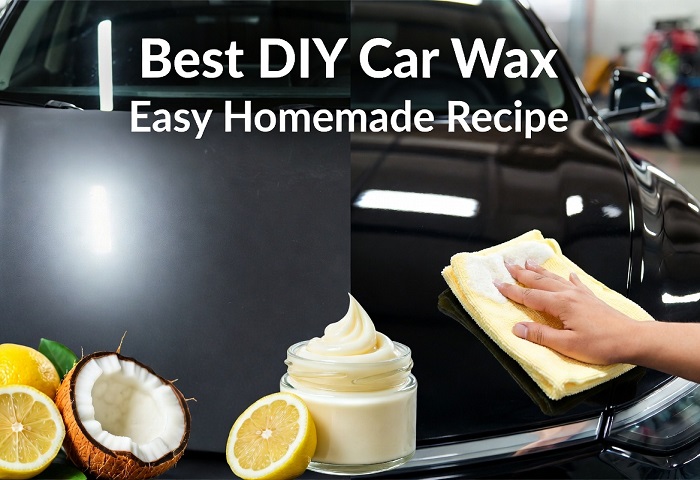
Introduction: Why the Best DIY Car Wax Matters More Than You Think
Every car owner has felt that quiet pride when their vehicle glints under the sun like it just rolled off the dealer’s lot. Achieving that finish does not require an expensive detailing appointment. With the best DIY car wax and a free Saturday afternoon, you can protect your car’s paint, repel water, and turn heads on every road you drive.
Car wax is more than a cosmetic product. It forms a thin protective barrier between your clear coat and the elements — UV rays, acid rain, bird droppings, road salt, and industrial fallout. Without that barrier, your clear coat oxidizes, your paint dulls, and eventually you are looking at an expensive repaint. The right wax, applied correctly, can add years of life to your vehicle’s exterior.
This guide covers everything you need to know: the types of car wax available, the best products on the market today, how to apply wax like a professional, and the common mistakes that waste your time and money. Whether you are a weekend warrior detailer or a first-timer holding an applicator pad for the first time, the best DIY car wax approach is within your reach.
Types of Car Wax: Knowing What You Are Buying
Before choosing the best DIY car wax for your vehicle, you need to understand the main categories. Each type has distinct strengths, and the right choice depends on your car’s color, condition, and how much time you want to invest.
Carnauba Wax
Carnauba wax is extracted from the leaves of the Brazilian carnauba palm tree, and it has been the gold standard in automotive detailing for over a century. It delivers a warm, deep, organic-looking gloss that synthetic products struggle to replicate — especially on dark-colored vehicles like black, dark blue, and deep red.
The trade-off is durability. A pure carnauba product typically lasts four to eight weeks depending on your climate and how frequently the car is washed. Many products marketed as carnauba wax are actually blends, combining a small percentage of carnauba with polymers or silicones to extend longevity. If a label reads “100% carnauba,” that is technically impossible since pure carnauba is a hard, nearly unworkable solid at room temperature. What it usually means is the wax contains a high-grade concentration of carnauba relative to fillers.
Best for: Enthusiasts who want the deepest visual gloss and do not mind reapplying every couple of months.
Synthetic Polymer Wax (Paint Sealant)
Synthetic car wax, often called a paint sealant, uses polymer chemistry to bond more aggressively with your clear coat. The result is not quite as visually warm as carnauba, but it lasts dramatically longer — often six months to a year with a single application.
For daily drivers exposed to harsh winters, hot desert summers, or frequent car washes, a polymer sealant makes a lot of practical sense. You get reliable protection without the hassle of reapplying every few weeks. Modern synthetic formulas have closed the gloss gap with carnauba considerably, and high-end sealants look genuinely impressive on light-colored vehicles.
Best for: Daily drivers, people in extreme climates, and those who prefer a set-it-and-forget-it maintenance schedule.
Paste Wax
Paste wax is the classic format most people picture when they think of the best DIY car wax. It comes in a flat tin or round container, requires a bit more effort to apply, and tends to deliver outstanding results precisely because that effort forces you to work the product evenly into the paint.
Paste formulas are available in both carnauba and synthetic variants. They generally contain a higher concentration of protective agents than spray alternatives, giving your finish a thicker layer of protection per application. For someone who wants maximum results and is willing to invest the time, paste wax is hard to beat.
Best for: Detailed enthusiasts, show car owners, and anyone willing to trade convenience for performance.
Liquid Wax
Liquid wax pours from a bottle and spreads more easily than paste, making it a popular choice for beginners attempting the best DIY car wax process for the first time. It works well with orbital polishers and buffers, which is why professional detailers often reach for liquid formulas when working on multiple cars in a day.
The finish from a quality liquid wax can rival paste when applied correctly, and the lower viscosity makes it easier to work into tight areas like door jambs, side mirrors, and bumper edges.
Best for: Beginners, orbital polisher users, and anyone wanting a faster application process.
Spray Wax
Spray wax is the most convenient entry point into the best DIY car wax category. You mist it onto a panel, spread it with a microfiber cloth, buff it off, and move on. The protection is lighter than paste or liquid alternatives, but spray wax is excellent as a maintenance layer between deeper wax applications.
Many detailers use spray wax as a quick detailer after every car wash to refresh the existing wax layer and keep the finish looking sharp week after week.
Best for: Maintenance applications, quick touch-ups, and beginners building confidence.
Top Picks: Best DIY Car Wax Products Right Now
The market is flooded with options, so we have narrowed down the products that consistently earn praise from both professional detailers and everyday car owners.
1. Meguiar’s G18216 Ultimate Liquid Wax
Meguiar’s is arguably the most trusted name in consumer detailing, and the Ultimate Liquid Wax justifies that reputation. It combines synthetic polymer technology with thin film technology, allowing it to bond tightly with your clear coat and deliver a mirror-like shine with surprising durability — up to a year in mild climates.
Application is smooth, it does not leave white residue on plastic trim (a common complaint with carnauba-heavy products), and it works on all paint colors. For anyone beginning their best DIY car wax journey, this is a near-perfect starting product.
Protection: Up to 12 months Best for: All paint types, beginners and experienced detailers alike
2. Chemical Guys Butter Wet Wax
Chemical Guys has built a devoted following in the detailing community, and Butter Wet Wax earns its iconic status. It is a carnauba blend that produces an extraordinarily glossy, wet-look finish — the kind that makes passersby stop and stare.
The scent is pleasant (it genuinely smells like butter), the application is forgiving, and the gloss depth on dark paint is exceptional. Durability is roughly six to eight weeks, which is expected for a carnauba-dominant formula. Touch-up applications are quick and easy.
Protection: 6–8 weeks Best for: Dark-colored vehicles, show car enthusiasts, visual gloss maximalists
3. Collinite 845 Insulator Wax
If durability is your priority, Collinite 845 is a legendary choice in the DIY car wax world. Originally developed for marine use, it withstands salt air, intense UV exposure, and repeated washing better than almost any consumer product. Boaters swear by it, and car enthusiasts who live in harsh climates have adopted it enthusiastically.
It is not the easiest product to apply — it can be a bit grabby — but once you nail the thin, even application technique, the results are outstanding. Expect six months to a full year of protection.
Protection: 6–12 months Best for: Harsh climates, winter states, daily drivers
4. P21S Concours Carnauba Wax
P21S is a premium German brand that delivers a carnauba wax experience at the top of the category. The gloss it produces is warmer and deeper than most competitors, and it applies with a smoothness that feels almost effortless. It is more expensive than the other entries on this list, but for special or collector vehicles, the results are worth it.
This is the best DIY car wax choice for someone who wants a professional-level finish without paying professional-level service fees.
Protection: 4–6 weeks Best for: Exotic cars, show vehicles, premium finish enthusiasts
5. Turtle Wax ICE Paste Polish
Turtle Wax has been in living rooms and garages for decades, and the ICE Paste Polish is their modern flagship. It delivers a clean, bright finish using synthetic polymers, lasts up to twelve months, and comes at a price point that makes it accessible to everyone.
For budget-conscious car owners who still want genuine best DIY car wax results, Turtle Wax ICE deserves serious consideration.
Protection: Up to 12 months Best for: Budget-friendly protection, all paint types
How to Apply Car Wax Like a Professional
Choosing the best DIY car wax product is only half the equation. Proper application separates a stunning, long-lasting finish from a patchy, dull disappointment. Follow these steps every time.
Step 1: Wash the Car Thoroughly
Start with a clean car. Use a quality car wash soap — not dish soap, which strips existing wax and can damage clear coats — and wash the vehicle in the shade to prevent premature drying. Pay attention to panel gaps, wheel arches, and lower sills.
After washing, perform the plastic bag test: slip your hand into a plastic bag and run it across the paint. If it feels rough or gritty, your paint has bonded contamination that a wash alone will not remove. Use a clay bar to decontaminate the surface before waxing. Waxing over contamination traps it under the protective layer and produces an uneven finish.
Step 2: Correct Paint Imperfections (Optional but Recommended)
If your paint has swirl marks, light scratches, or oxidation, address them before waxing. A light polish or paint correction compound removes these defects so the wax seals a clean, smooth surface. Wax does not hide scratches — it seals what is there, good or bad.
For most people, a dual-action orbital polisher with a light polishing compound and a foam pad is the safest and most effective approach. Work one panel at a time, use overlapping passes, and wipe clean with a microfiber cloth.
Step 3: Apply Wax to One Panel at a Time
Apply the best DIY car wax to a foam applicator pad or the designated applicator supplied with the product. Use a small amount — about the size of a nickel for paste, a quarter-sized circle for liquid. Working in straight lines (not circles) reduces the chance of introducing swirl marks.
Work panel by panel: hood, roof, trunk, doors, then bumpers. Applying and removing wax one panel at a time prevents the product from drying too hard, especially in warm weather.
Step 4: Allow It to Haze
Most wax products need a brief curing window to form a proper bond with the clear coat. When the wax hazes — shifts from wet and glossy to a dry, hazy appearance — it is ready to remove. In warm temperatures this can take as little as two to three minutes. In cooler weather, give it five minutes.
Do not let paste wax sit for too long. Over-dried paste wax is significantly harder to remove and can create micro-scratches during buffing.
Step 5: Buff to a Shine
Use a clean, plush microfiber towel to buff the haze away using light, overlapping strokes. Fold the towel frequently to expose a clean buffing surface. For larger vehicles or multiple applications, an orbital polisher with a microfiber bonnet attachment speeds this process enormously.
Inspect each panel in direct light at a low angle after buffing. Any remaining haze will catch the light and show you where you need a final pass.
Step 6: Protect Trim and Glass
Once the paint is done, apply a trim protectant to any black plastic or rubber trim that may have received wax residue during application. Wax leaves a white film on trim that is stubborn to remove if left to cure. A quick wipe with a trim restorer product cleans it up and leaves trim looking fresh.
Clean the windows with a quality glass cleaner after waxing. Some wax products leave a very light film on glass that affects visibility — especially at night in oncoming headlights.
Common DIY Car Wax Mistakes to Avoid
Even with the best DIY car wax product in hand, these errors can undermine your results.
Applying wax to a dirty car. Dirt particles under the wax applicator act like sandpaper, introducing scratches. Always start with a thoroughly washed and decontaminated vehicle.
Using too much product. More wax does not mean more protection. Thin, even coats bond better and buff off more easily. Excess product just wastes money and increases buffing time.
Waxing in direct sunlight. Heat causes wax to dry too quickly, making it harder to remove and more likely to streak. Always wax in shade or indoors, ideally when the paint surface is cool to the touch.
Skipping paint correction. If your paint has swirl marks or oxidation, waxing over them makes them harder to remove later. Correct first, then protect.
Using dirty buffing cloths. A towel that has been sitting in a dusty garage or mixed with laundry detergent residue can scratch your paint during buffing. Use dedicated microfiber cloths washed with gentle, fragrance-free detergent.
Neglecting maintenance. Even the best DIY car wax formula breaks down over time. A quick spray wax after each wash, combined with a full application every three to six months, keeps your finish protected year-round.
How Long Does Car Wax Last?
The longevity of any best DIY car wax product depends on several factors:
Climate: UV radiation, heat, and salt air accelerate wax degradation. A carnauba wax lasting eight weeks in a mild Pacific Northwest climate might last only four weeks in the Arizona desert.
Washing frequency: Every car wash strips a small amount of wax. Frequent washing shortens protection windows, making synthetic polymer sealants more practical for cars washed weekly.
Parking conditions: A garaged vehicle retains wax protection significantly longer than a car parked outside in sun and rain. Garage storage alone can effectively double the lifespan of a wax application.
Application quality: A thin, well-bonded wax layer outlasts a thick, unevenly applied one. Proper surface preparation ensures the best possible bond.
As a general guideline:
- Spray wax: 4–6 weeks
- Carnauba paste or liquid: 6–10 weeks
- Synthetic polymer sealant: 6–12 months
- High-durability products (Collinite 845): up to 12+ months
DIY Car Wax vs. Professional Detailing: Is It Worth Doing Yourself?
A professional detailing service applying a quality wax or sealant can cost anywhere from $100 to $400 depending on your vehicle size and location. The best DIY car wax products capable of producing equivalent or superior results typically cost between $15 and $60.
The labor is yours to provide, but the savings are substantial — and many car enthusiasts genuinely enjoy the process. There is a satisfying, almost meditative quality to washing, correcting, and waxing a car. The result is something you created with your own hands.
The one area where professional detailing clearly outperforms most DIY efforts is paint correction. If your paint needs heavy correction work — deep scratches, significant oxidation, compound haze removal — a professional with a rotary polisher and years of experience will produce better, safer results. For maintenance waxing, however, the best DIY car wax approach is perfectly competitive with professional services.
Quick Reference: Best DIY Car Wax Buying Guide
When shopping for the best DIY car wax, keep these criteria in mind:
Paint color: Dark colors benefit from warm, carnauba-rich formulas. Light colors show well with synthetic polymer products.
How often you can wax: If you can commit every six to eight weeks, a carnauba wax delivers premium gloss. If you want to wax once and forget it, choose a synthetic sealant.
Your skill level: Spray waxes and modern liquid polymers forgive application errors. Traditional paste carnauba rewards patience and technique.
Climate: Harsh sun, salt roads, and heavy rain demand synthetic durability. Mild climates suit carnauba beautifully.
Budget: Excellent protection is available at every price point. You do not need to spend $50 on wax to protect your car effectively.
Final Thoughts: Protecting Your Investment Starts With the Best DIY Car Wax
Your car represents one of the largest financial investments you will make. Protecting its finish is not just about aesthetics — it directly impacts resale value, structural longevity, and the pride you feel every time you pull into a parking lot.
The best DIY car wax is not necessarily the most expensive or the most hyped product. It is the one that matches your vehicle’s paint, your climate, your schedule, and your detailing goals. Whether you reach for Collinite’s legendary durability, Chemical Guys’ glossy carnauba blend, or Meguiar’s dependable synthetic formula, you are making a smart choice for your car’s long-term health.
Start with a clean, well-prepared surface. Apply thin, even coats. Buff with clean microfiber cloths. Maintain the finish after every wash. Do that consistently, and your car will hold a showroom shine year-round — no appointment necessary.