Introduction
A car wash kit sounds straightforward, but walk into any auto parts store and the choices can get overwhelming fast. Wash mitts, foam cannons, clay bars, detailing sprays, multiple buckets. It is easy to overbuy or, just as often, to grab a cheap bundle that falls apart after two uses. This guide cuts through the noise. You will find out what belongs in a solid car wash kit, what to look for when buying, and how to use what you have to get genuinely good results without damaging your paint.
What Is a Car Wash Kit?
A car wash kit is a bundled or self-assembled collection of tools and products used to wash and protect a vehicle at home. Some kits come pre-packaged by a brand, while others are built piece by piece based on personal preference and budget.
Pre-packaged kits are convenient for beginners. They take the guesswork out of matching products and usually include a wash soap, applicator, and a cloth or mitt. Purpose-built kits assembled by the owner tend to offer better quality control since you can choose each component individually.
Neither approach is universally better. It depends on how often you wash your car and how much detail you want in the results.
The Core Tools Every Car Wash Kit Needs
Wash Mitt or Sponge
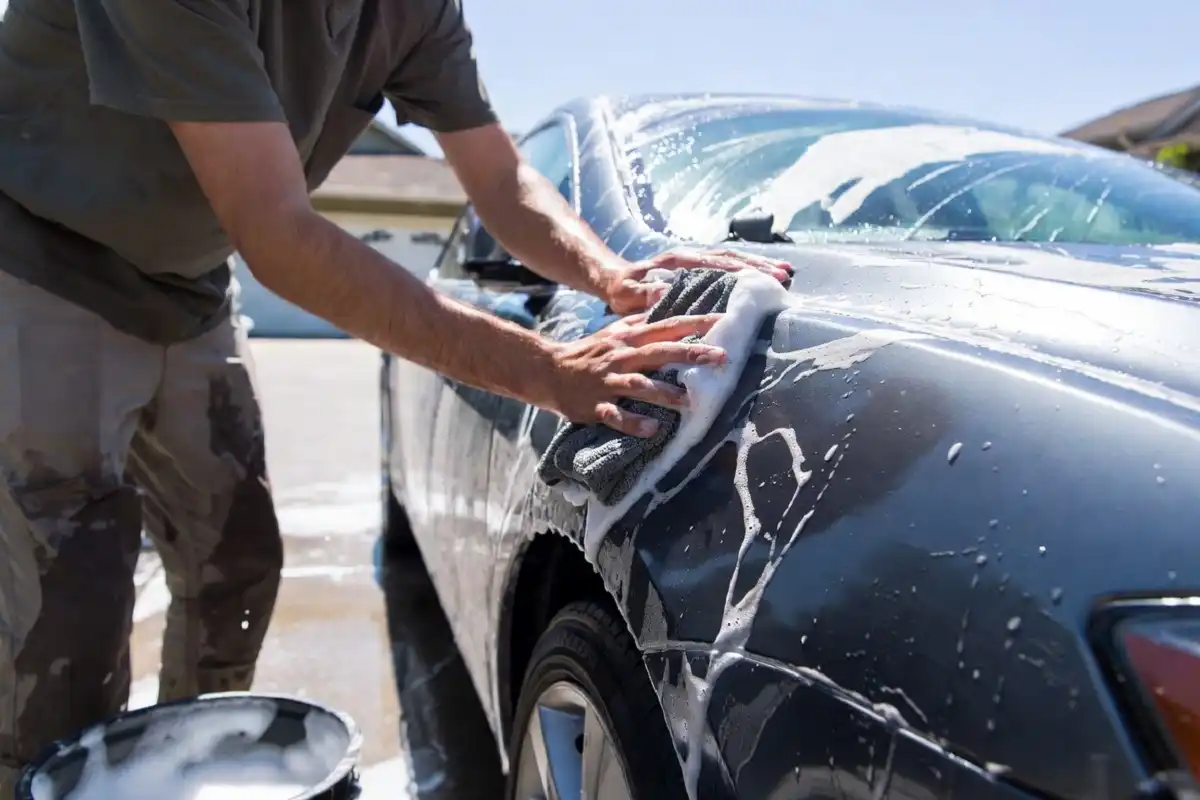
The wash mitt is arguably the most important contact tool in the kit. A microfiber wash mitt is the preferred choice because it traps dirt in its fibers rather than dragging it across the paint. This reduces the chance of fine scratches during the wash.
Traditional sponges hold dirt against the surface, which is why most detailers avoid them for the main wash. If a sponge is already in your kit, reserve it for wheels and trim rather than painted panels.
Car Wash Shampoo
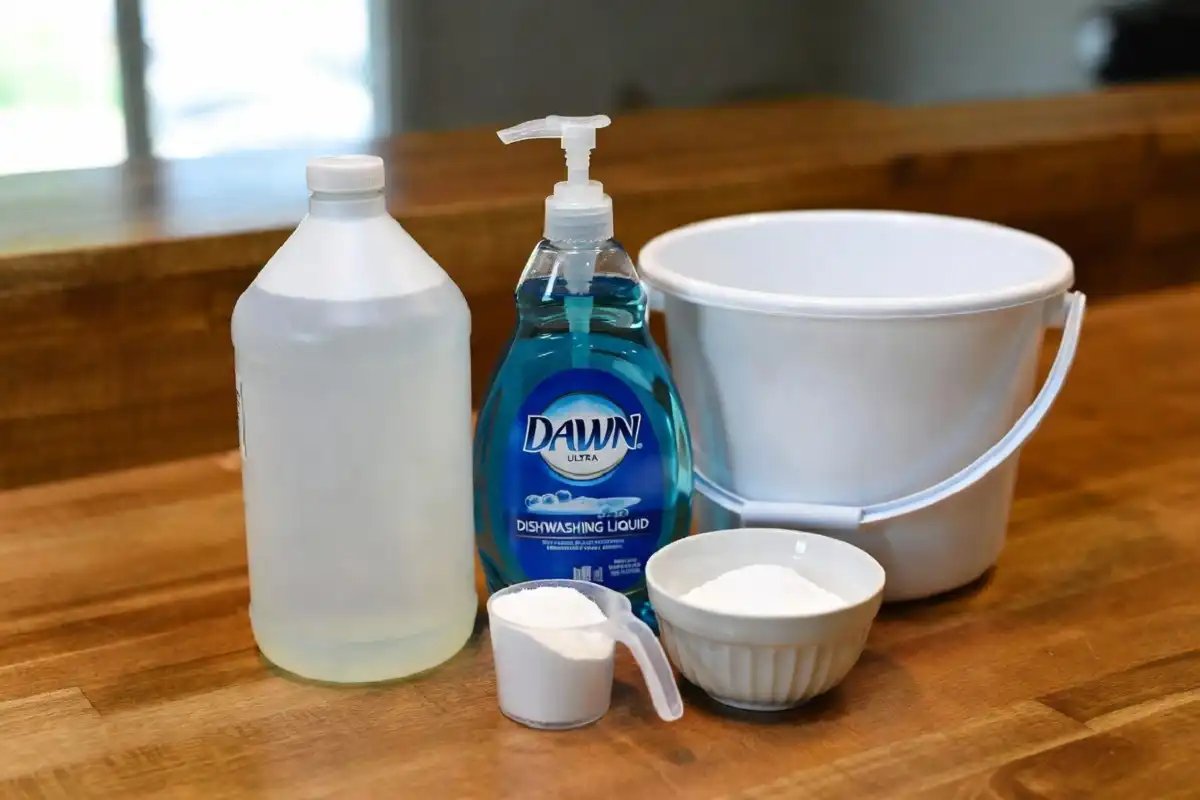
Regular dish soap strips wax and protective coatings from paint. A dedicated car wash shampoo is pH-balanced to clean effectively without breaking down existing protection on the surface.
Look for a shampoo that produces good lubrication in the water. More suds and slip means the mitt glides rather than drags, which is better for the paint.
Two Buckets
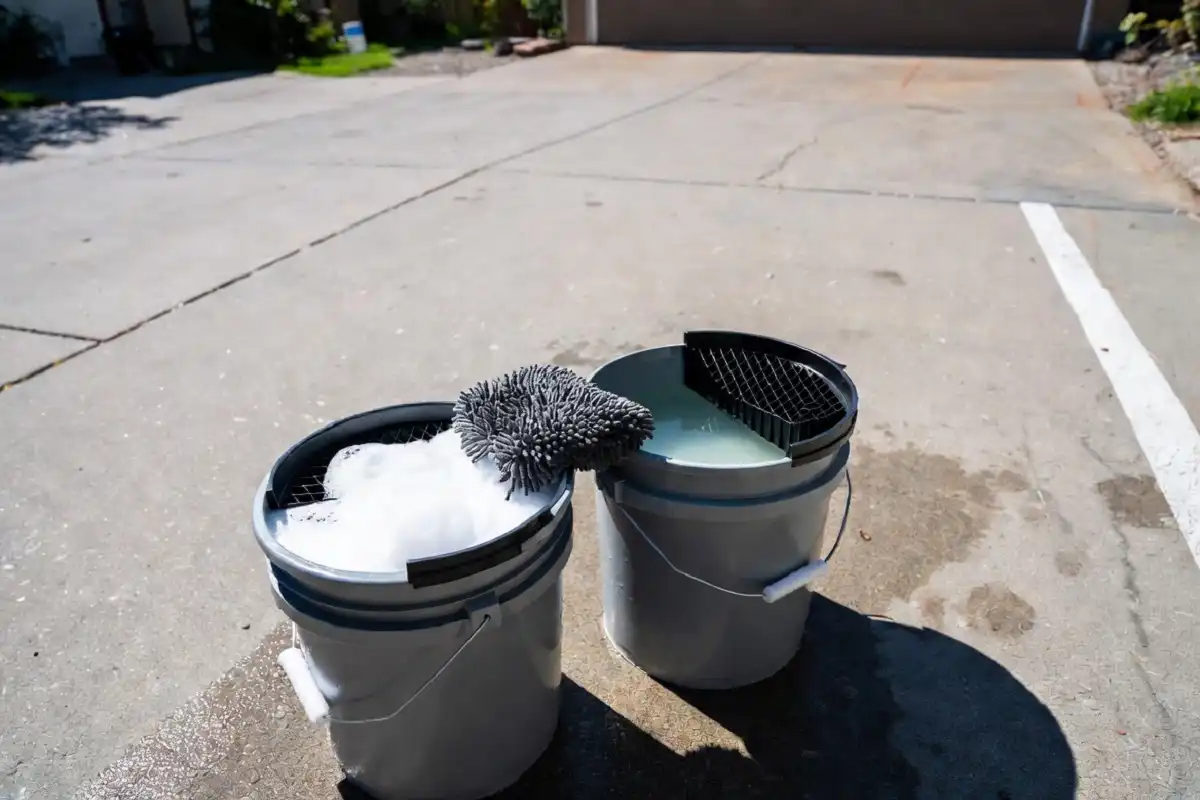
The two-bucket method is one of the simplest ways to avoid putting dirt back onto your car. One bucket holds clean soapy water, and the other is used to rinse the mitt before it goes back into the soap bucket.
Adding a grit guard insert to the rinse bucket allows dirt to settle at the bottom rather than being picked up again by the mitt.
Microfiber Drying Towels
Air drying leaves water spots, especially in hard water areas. A large, plush microfiber drying towel absorbs water quickly and is gentle on the surface. Most detailers recommend having at least two on hand per wash.
Waffle-weave microfiber towels are particularly effective at pulling water off flat panels without streaking.
Wheel Brush
Wheels collect brake dust, road grime, and tar that a wash mitt should not touch. A dedicated wheel brush with soft bristles keeps that contamination away from the painted surfaces. Some kits include a long-handle brush for inner barrel cleaning and a shorter brush for face and lug nut areas.
Optional Tools Worth Considering
Foam Cannon or Foam Gun
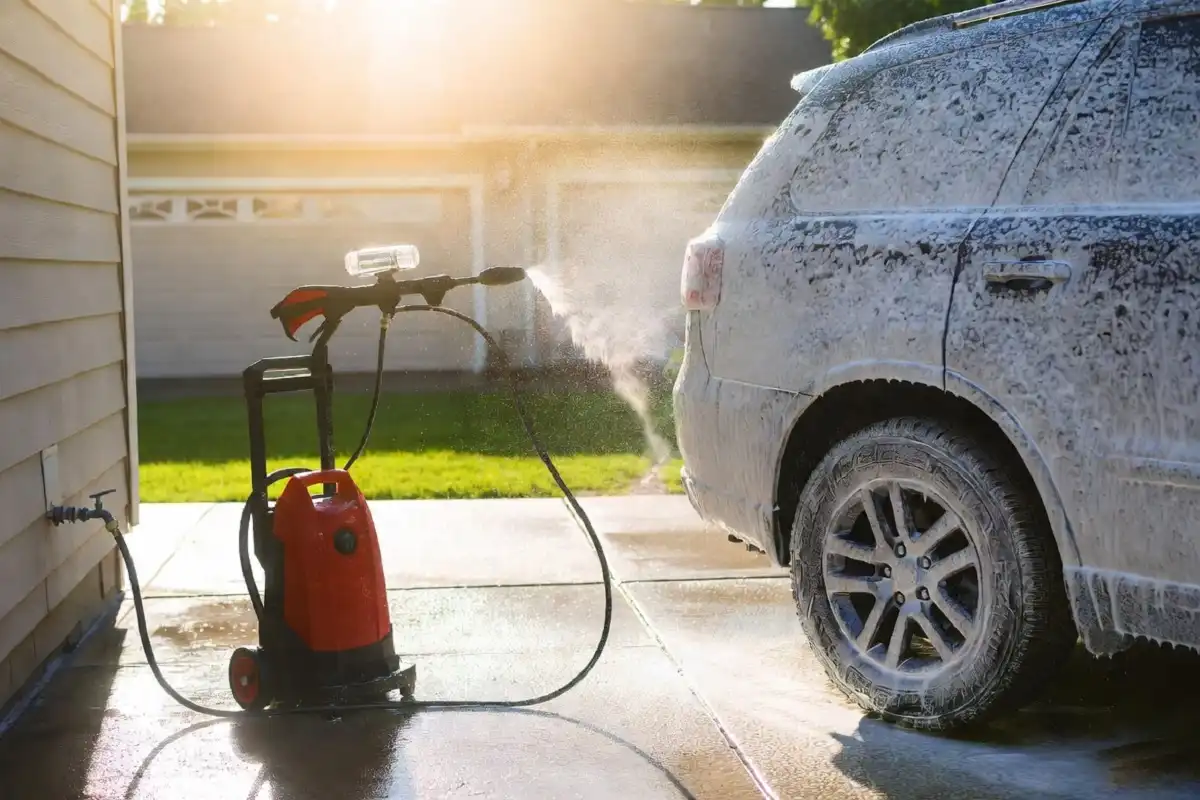
A foam cannon attaches to a pressure washer and coats the car in thick foam before any contact wash begins. This pre-soak loosens surface dirt and reduces friction during the mitt stage.
A foam gun connects to a standard garden hose and produces lighter foam. It is a more affordable entry point if you do not own a pressure washer.
Clay Bar or Detailing Clay
A clay bar removes bonded surface contaminants like industrial fallout, tree sap, and embedded road grime that regular washing leaves behind. It is not needed every wash, but using one two to four times a year keeps the paint smooth and helps wax bond better.
Quick Detailer Spray
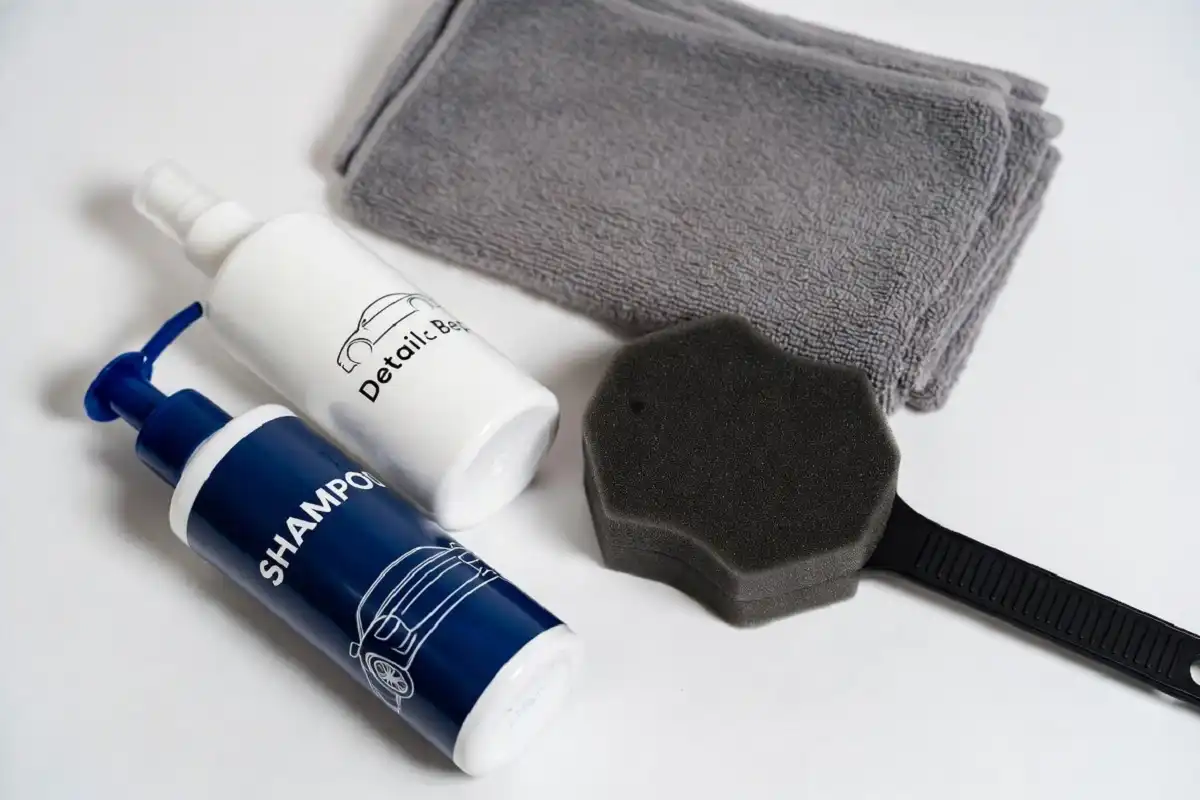
A quick detailer spray is useful for light dust between washes, removing fingerprints from a freshly washed car, and adding a thin layer of gloss. It is not a replacement for a full wash but a useful addition to any kit.
Applicator Pads
If your kit includes a wax or paint sealant, foam applicator pads help spread product evenly without streaking. Microfiber applicators work well for liquid waxes and quick detailers.
How to Read a Car Wash Kit Label
Not all kits are equally transparent about what is inside. When evaluating a pre-packaged option, a few things are worth checking:
- Whether the soap is pH-neutral or pH-balanced, since acidic or alkaline formulas can strip protective coatings
- The material of the wash mitt or cloth, with microfiber being the preferred choice over foam or standard terry cloth
- Whether the bucket is included or just pictured as a prop on the packaging
- The volume of each product included, since some kits use smaller bottles that run out quickly
A kit that costs less but includes quality microfiber components will generally perform better than a pricier kit built around foam sponges and low-lubrication soap.
Building Your Own Kit on a Budget
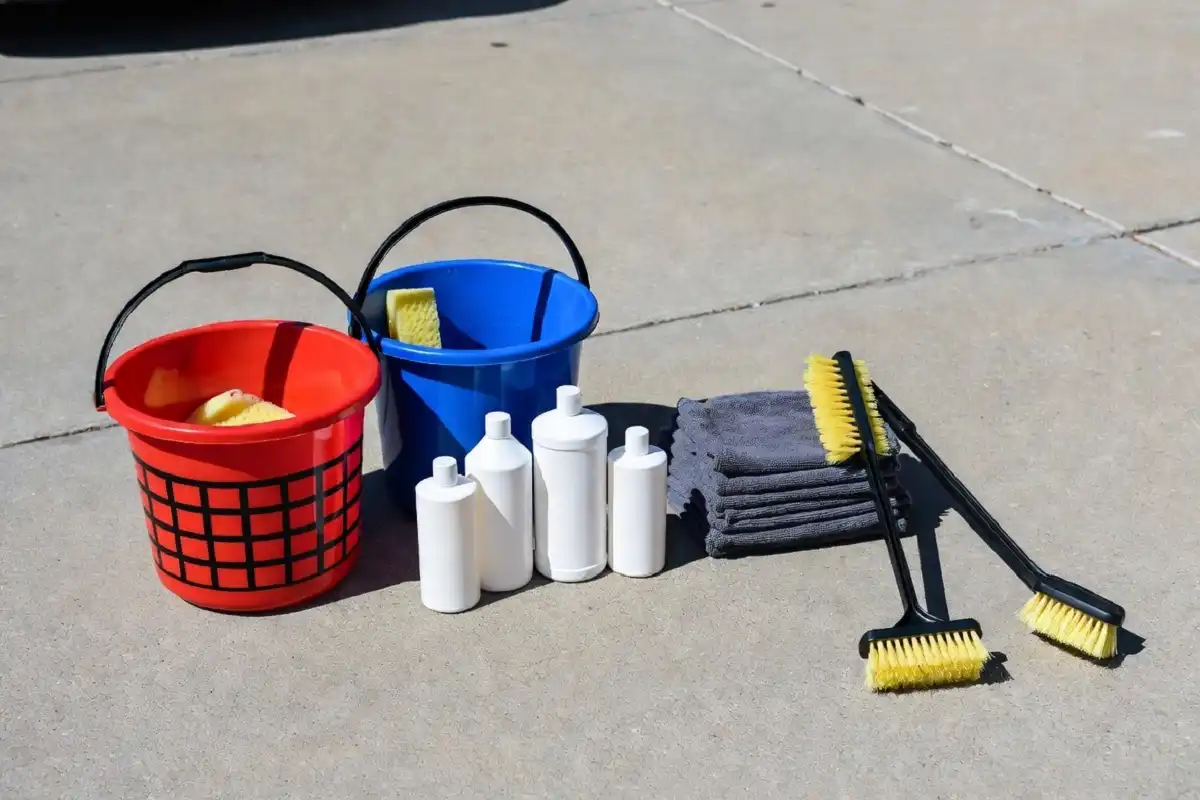
Assembling a kit yourself does not have to be expensive. A practical starting setup includes two five-litre buckets, a single microfiber wash mitt, a mid-range pH-balanced shampoo, two drying towels, and a basic wheel brush. That covers the majority of washing needs for most vehicles.
You can expand the kit gradually by adding a foam gun, clay bar kit, or paint sealant as your interest in the process grows.
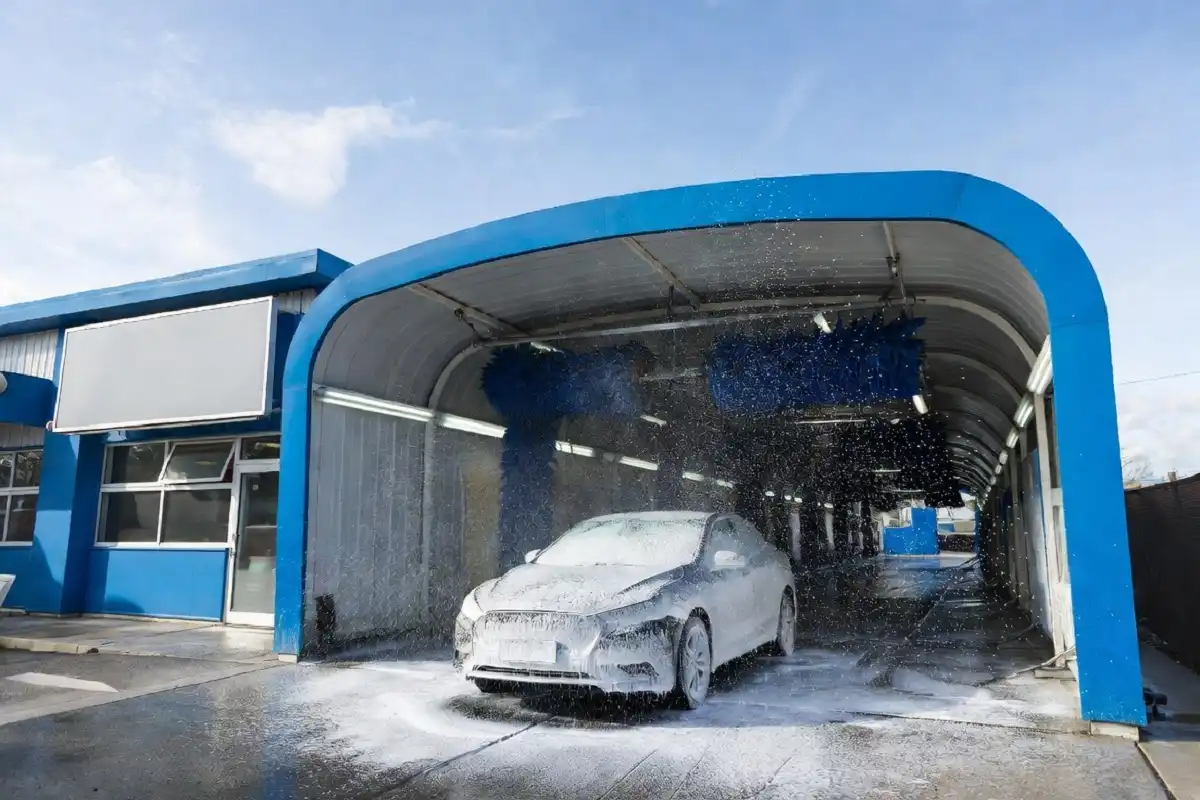
For context on how professional facilities approach the wash process, the guide on how an express car wash works shows what steps they use, several of which can be replicated at home with the right kit.
According to the American Chemical Society, microfiber cloths trap particles within their split fibers more effectively than conventional cloths, which is part of why they became the standard in detailing.
Storing and Maintaining Your Car Wash Kit
How you store your kit matters almost as much as what is in it. Wash mitts and drying towels should be laundered after each use and stored in a clean, dry place. Dirty mitts left sitting will transfer grime back onto the car at the next wash.
Shampoo and other liquid products should be stored away from direct sunlight and freezing temperatures, as extreme conditions can alter their chemical balance.
Label your buckets clearly if you use the two-bucket method so they do not get mixed up mid-wash.
When a Kit Is Not Enough
Sometimes a car needs more than a regular wash can deliver. Heavy oxidation, deep embedded contamination, or paint that has gone dull over time usually requires a more intensive process. In those cases, a clay bar treatment followed by a machine polish or professional detailing service makes more sense than simply repeating a standard wash.
If you are weighing the value of home washing versus a paid service, this breakdown of what to look for in a car wash near you can help you decide when it makes sense to outsource.
For a deeper look at foam-based washing products and how they work, the Bubble Down car wash guide covers the topic thoroughly.
The Mr. Car Wash guide on plans and pricing is also worth reading if you want to compare the cost of a membership against doing it yourself at home.
Detailing World’s forums are a reliable community resource for comparing specific product recommendations and learning from experienced enthusiasts before you buy.
Frequently Asked Questions
What should a basic car wash kit include?
A basic kit needs a pH-balanced car shampoo, a microfiber wash mitt, two buckets, and at least one microfiber drying towel. A wheel brush is also worth including from the start. These five items cover the essentials for a safe and effective wash.
Is it better to buy a pre-packaged kit or build your own?
Pre-packaged kits are a good starting point for beginners, but building your own gives you more control over product quality. Once you have washed a few times, you will know which components wear out first and where to invest more.
Can I use dish soap instead of car wash shampoo?
Dish soap is not suitable for regular car washing because it is formulated to strip grease, which also removes wax and protective coatings from paint. A dedicated car shampoo is a small additional cost that protects a much larger investment.
How often should I use my car wash kit?
Washing every one to two weeks is a practical routine for most drivers. In seasons with heavy pollen, road salt, or mud, more frequent washing prevents buildup that becomes harder to remove over time.
Do microfiber towels scratch paint?
High-quality microfiber towels used correctly do not scratch paint. Problems arise when they are dirty, laundered with fabric softener, or pressed too hard on dry surfaces. Always wash microfiber separately, without softener, and keep them clean between uses.
What is the difference between a car wash kit and a detailing kit?
A car wash kit focuses on regular cleaning to remove surface dirt. A detailing kit typically includes products for paint correction, interior cleaning, and long-term protection like wax, clay bars, and polish. Some kits bridge both, but they serve different levels of care.
Conclusion
A good car wash kit does not need to be complicated or expensive to deliver solid results. Start with the fundamentals, use them correctly, and your car will stay cleaner for longer while your paint stays protected. The two-bucket method alone, paired with a quality microfiber mitt and the right shampoo, is enough to outperform most basic washes.