Introduction
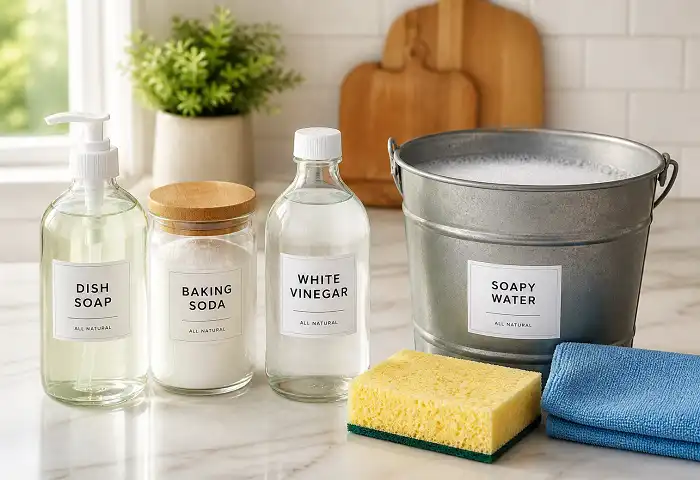
What if the secret to a showroom-clean car was already sitting in your kitchen cabinet? That’s exactly what thousands of car owners have discovered by using a simple homemade car wash soap vinegar formula — and the results speak for themselves.
In this complete guide, you’ll learn how to make your own homemade car wash soap with vinegar, why it works so well, how to use it safely on different paint finishes, and what combinations give you the best clean. Whether you’re looking to save money, avoid harsh chemicals, or just try something new, this homemade car wash soap vinegar method could completely change how you clean your car at home.
Why Use Vinegar in Homemade Car Wash Soap?
Vinegar is one of the most underrated cleaning agents available. It’s a natural acid — specifically acetic acid — that cuts through road grime, water spots, mineral deposits, and light grease without damaging your car’s paint when diluted properly.
Here’s why car enthusiasts love adding vinegar to their homemade car wash soap:
- Removes mineral deposits and hard water stains naturally
- Cuts through road film and environmental fallout
- Streak-free finish when rinsed thoroughly
- Completely non-toxic and eco-friendly
- Costs pennies per wash compared to commercial products
When combined with the right soap base, a homemade car wash soap vinegar mixture becomes a powerful, balanced cleaner that rivals many store-bought products — at a fraction of the cost.
🔗 Want more homemade soap formulas? Check out these 7 easy homemade car wash soap recipes to expand your DIY arsenal.
Is Vinegar Safe for Car Paint?
This is the most common concern — and it’s a fair one.
Undiluted vinegar (full strength) should never be applied directly to car paint. Its low pH can strip wax, dull clear coats over time, and potentially damage rubber seals or trim if used repeatedly without rinsing.
However, properly diluted vinegar in a homemade car wash soap solution is generally safe, especially for occasional use. The key is:
- Always dilute at least 1 part vinegar to 10 parts water (or more)
- Rinse thoroughly after washing — don’t let it sit
- Avoid using on matte finishes or vinyl wraps without testing first
- Don’t use on fresh paint less than 30 days old
According to Popular Mechanics, diluted vinegar solutions are commonly used in auto detailing for spot treatments and mineral deposit removal. The critical rule is proper dilution and a complete rinse.
The Best Homemade Car Wash Soap Vinegar Recipes
Recipe 1: The Classic Vinegar Car Wash Soap
This is the most popular homemade car wash soap vinegar recipe — simple, effective, and safe for most paint types.
Ingredients:
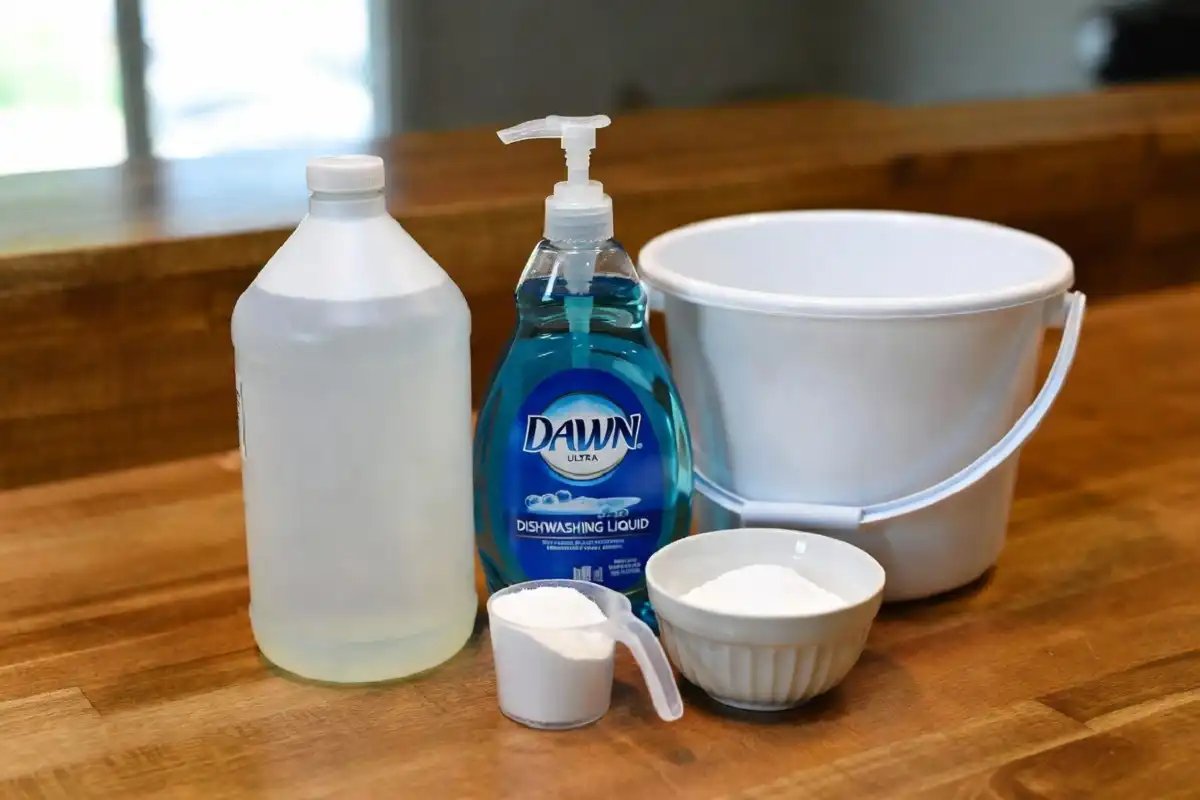
- 1 cup white distilled vinegar
- 1 cup mild dish soap (Dawn or similar)
- 1 gallon warm water
- 2 tablespoons baking soda (optional — helps neutralize and add foam)
Instructions:
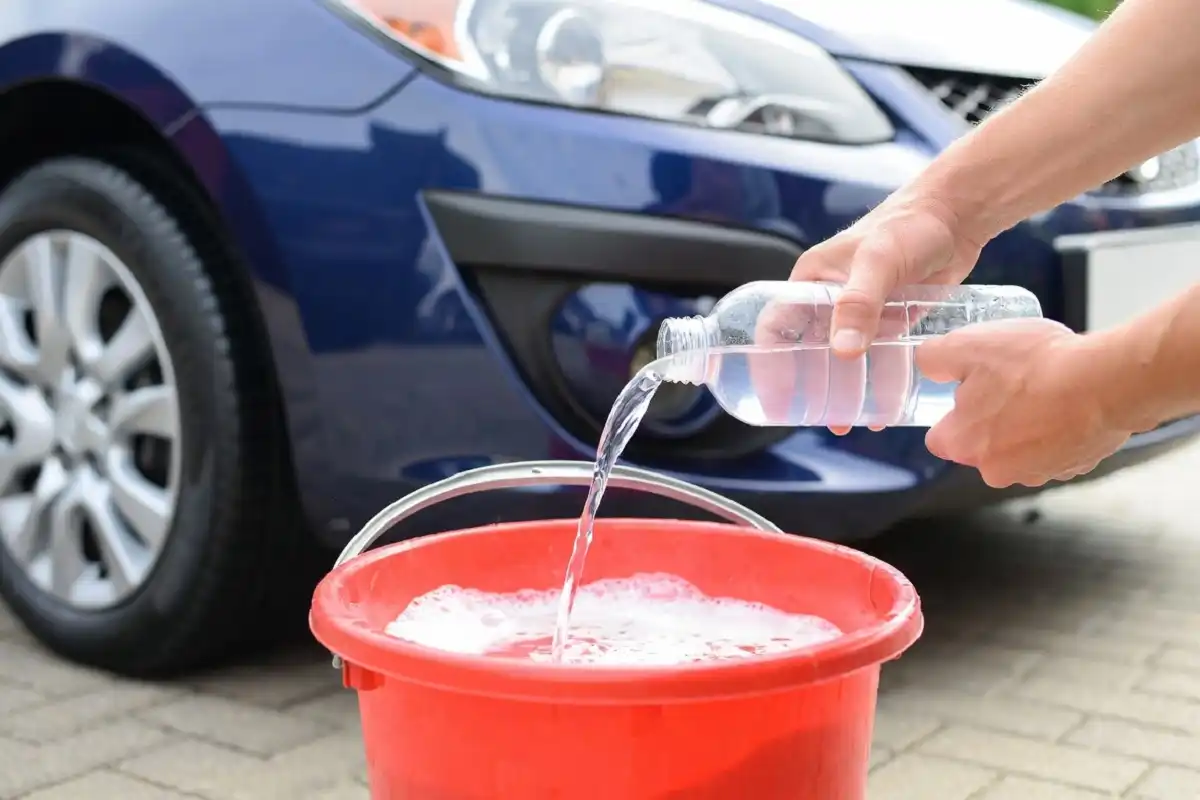
- Fill a clean bucket with one gallon of warm water
- Add 1 cup of white distilled vinegar slowly
- Add 1 cup of mild dish soap and stir gently
- If using baking soda, add it last and stir carefully (it will fizz briefly)
- Use immediately with a soft wash mitt or microfiber cloth
✅ Pro Tip: Stir gently to avoid excessive foam before use. Too many bubbles actually reduce the cleaning contact between soap and surface.
Recipe 2: Vinegar + Baby Shampoo Car Wash Soap
If you’re worried about dish soap being too harsh, baby shampoo is a gentler alternative that still pairs beautifully with vinegar in a homemade car wash soap formula.
Ingredients:
- ½ cup white vinegar
- ½ cup baby shampoo
- 1 gallon warm water
- 1 tablespoon glycerin (adds lubricity, protects paint)
Instructions:
- Mix warm water and glycerin in a bucket first
- Add baby shampoo and stir slowly
- Add vinegar last and mix gently
- Apply with a wash mitt using the two-bucket method
This formula is excellent for newer vehicles or those with sensitive paint. The glycerin creates a slick layer that allows your wash mitt to glide without scratching.
Recipe 3: Heavy-Duty Vinegar Degreaser Soap
For vehicles with heavy road grime, construction dust, or bug splatter, you need something stronger. This homemade car wash soap vinegar recipe steps up the degreasing power.
Ingredients:
- 1 cup white vinegar
- ½ cup dish soap
- ¼ cup rubbing alcohol (70%)
- 1 gallon warm water
Instructions:
- Mix water and vinegar first
- Add rubbing alcohol and stir
- Add dish soap last and mix gently
- Apply to vehicle panels working top to bottom
⚠️ Caution: The alcohol in this formula increases evaporation speed. Work in small sections and rinse immediately. Do not use on rubber trim without protecting it first.
Recipe 4: Apple Cider Vinegar Wash Soap
White vinegar isn’t your only option. Apple cider vinegar (ACV) contains natural organic acids and mild surfactants that work surprisingly well in a homemade car wash soap blend.
Ingredients:
- ½ cup apple cider vinegar
- 1 cup castile soap (Dr. Bronner’s works great)
- 1 gallon warm water
- 10 drops lemon essential oil (optional — adds fresh scent and light cleaning boost)
Instructions:
- Mix castile soap into water first
- Add ACV and stir gently
- Add essential oil if using
- Wash normally with a soft microfiber mitt
This recipe is especially popular with eco-conscious car owners since castile soap is plant-based and completely biodegradable.
🔗 Looking for a complete step-by-step home wash routine? Follow this 8-step DIY car wash method to get professional results every time.
Step-by-Step: How to Wash Your Car with Homemade Vinegar Soap
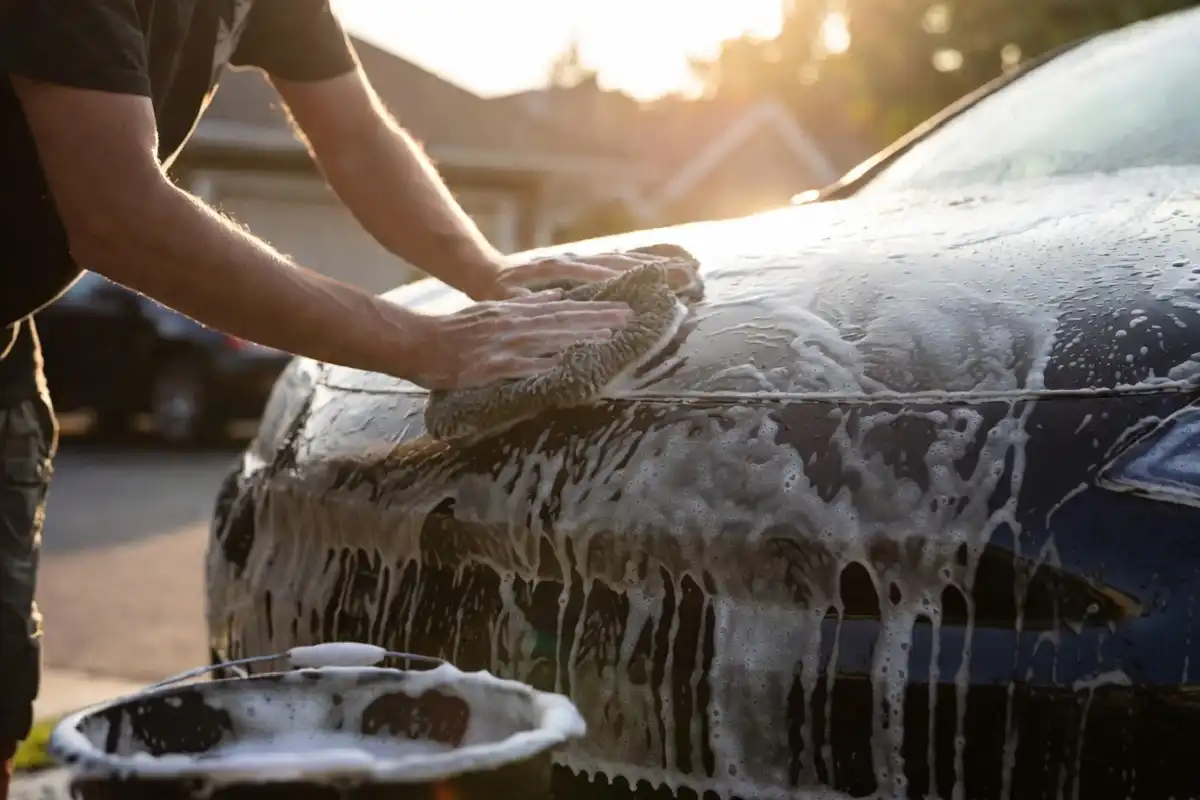
Once you’ve made your homemade car wash soap vinegar formula, the technique you use matters just as much as the recipe.
Step 1: Pre-Rinse the Vehicle
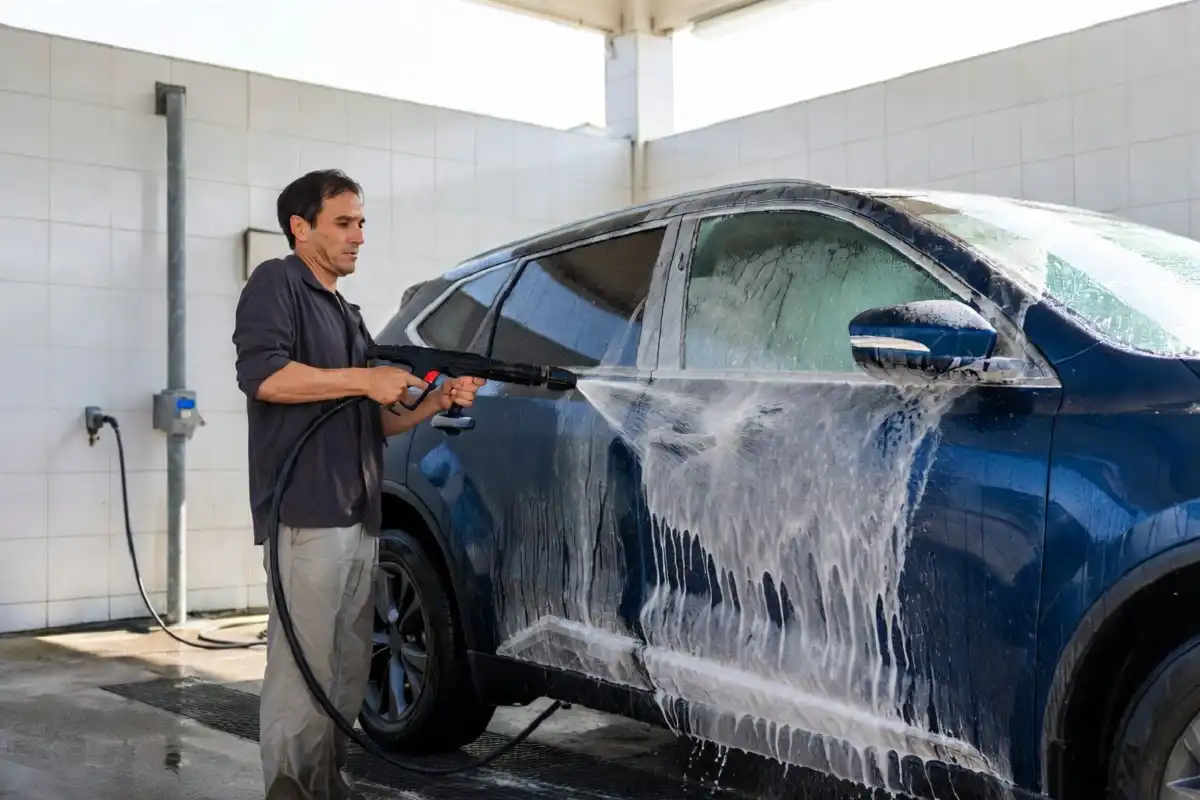
Start by rinsing the entire car with clean water to remove loose dirt and debris. This prevents scratching during the wash. Use a garden hose with a spray nozzle or a pressure washer on a low setting.
Step 2: Prepare Two Buckets
Use the two-bucket method:
- Bucket 1: Your homemade car wash soap vinegar solution
- Bucket 2: Clean rinse water
This prevents dirty water from going back onto your car’s paint.
Step 3: Wash Top to Bottom
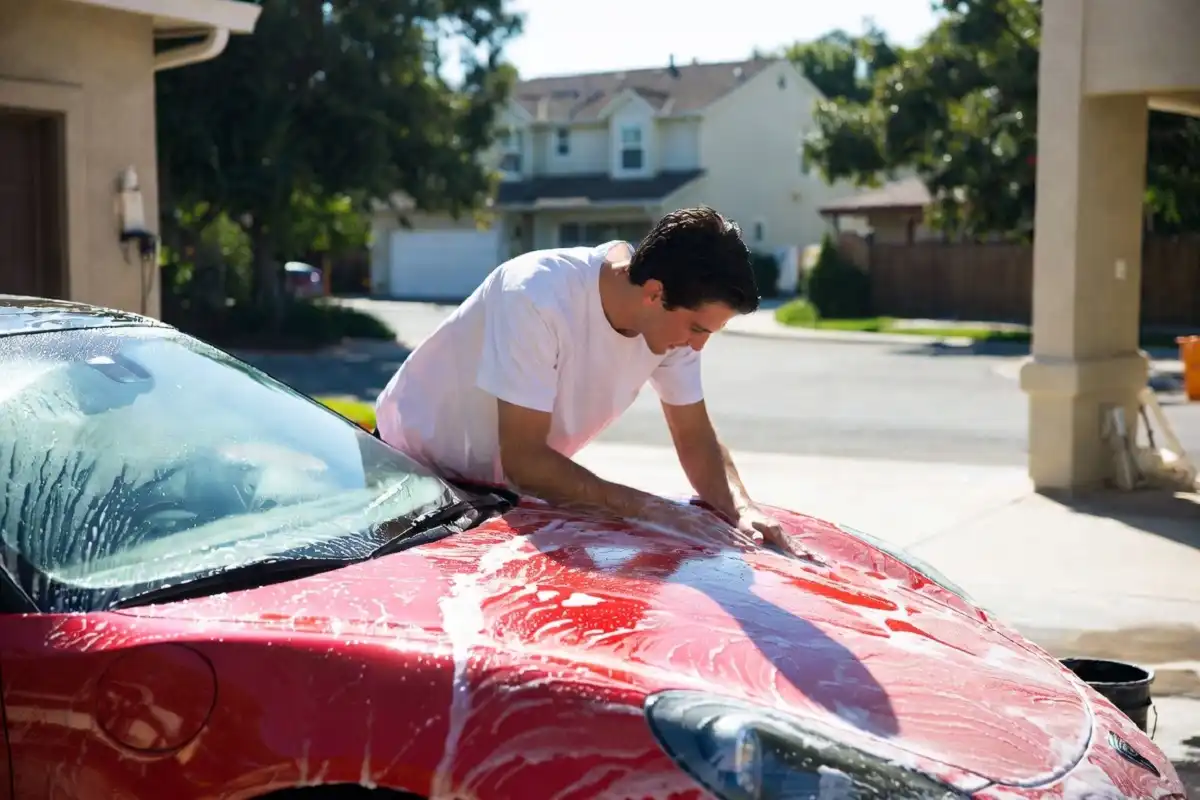
Always start at the roof and work downward. Dirt runs down as you wash, so you’ll be cleaning over areas before they get contaminated again.
Use a soft microfiber wash mitt — never a sponge, which traps grit and causes swirl marks.
Step 4: Rinse Each Section Immediately
Don’t let the homemade car wash soap dry on the paint — especially in direct sunlight. Rinse each panel as you go.
Step 5: Final Rinse
Do a complete final rinse from top to bottom using clean water. Pay extra attention to edges, door jambs, and lower panels where soap tends to collect.
Step 6: Dry Immediately
Use a clean, dry microfiber drying towel. Pat-dry rather than dragging across the surface to avoid micro-scratches.
🔗 If you prefer a professional setup, here’s how to use a self-service car wash in 8 steps to get the most out of your wash bay time.
Common Mistakes to Avoid
Making homemade car wash soap with vinegar is simple, but a few mistakes can cause problems. Here’s what to watch out for:
| Mistake | Why It’s a Problem | Fix |
|---|---|---|
| Using undiluted vinegar | Strips wax, damages clear coat | Always dilute 1:10 minimum |
| Using hot water | Accelerates drying, leaves streaks | Use warm, not hot water |
| Washing in direct sunlight | Soap dries before you rinse | Wash in shade or on cool days |
| Using a sponge | Traps grit, causes scratches | Use a microfiber wash mitt |
| Skipping the rinse | Soap and vinegar residue can dull finish | Always do a complete final rinse |
| Wrong vinegar type | Colored/flavored vinegars can stain | Use plain white distilled vinegar |
Vinegar for Specific Car Cleaning Tasks
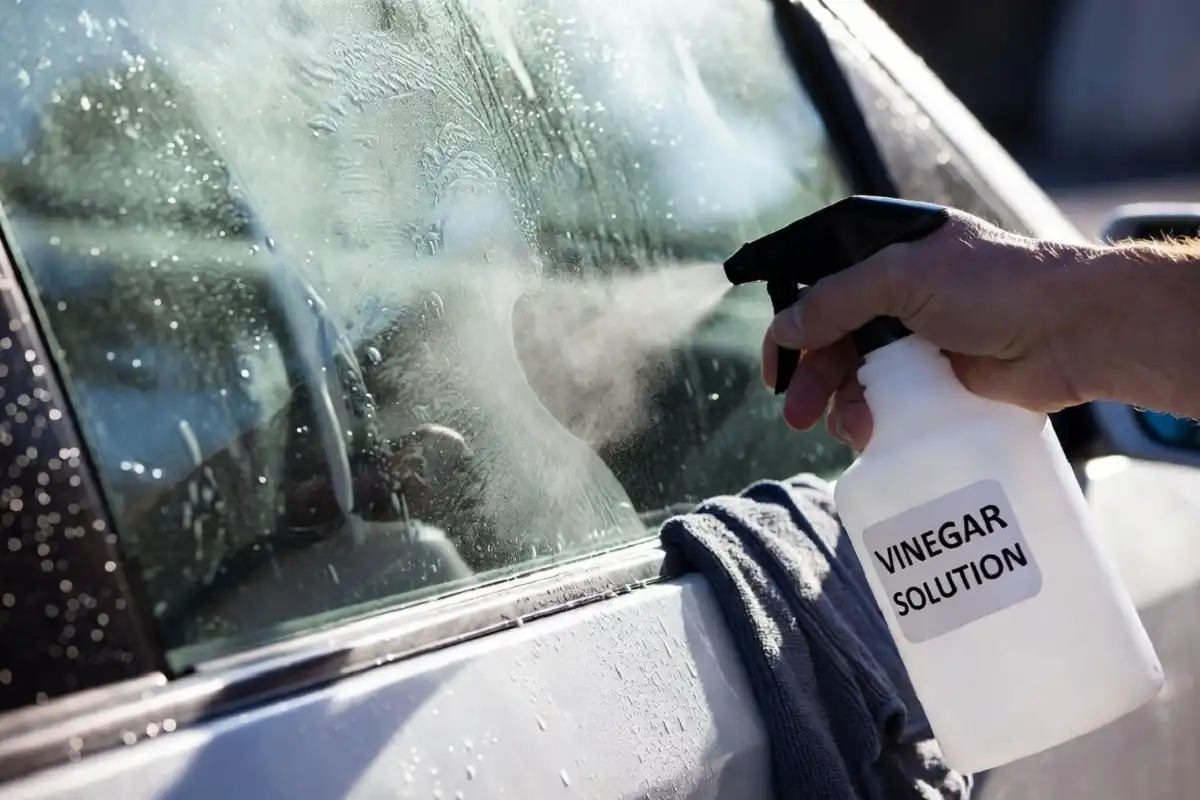
Beyond a general homemade car wash soap vinegar wash, vinegar serves several specialized roles in car care:
Removing Hard Water Spots
Mix equal parts white vinegar and distilled water in a spray bottle. Spray directly on water spots, let sit for 2–3 minutes, then wipe with a microfiber cloth. This is one of the most effective homemade car wash tricks available.
Cleaning Windows and Windshields
A 50/50 vinegar-water spray works better than most commercial glass cleaners for streak-free windows. Spray on, wipe with a clean microfiber cloth in circular motions, then buff dry.
Deodorizing Carpets and Upholstery
Diluted vinegar (1 part vinegar, 2 parts water) sprayed lightly on interior fabric surfaces and allowed to air dry eliminates musty odors without harsh chemicals.
Cleaning Rubber Seals and Weatherstripping
A light wipe with diluted vinegar keeps rubber seals clean and prevents mold buildup. Always follow with a rubber conditioner to prevent drying.
🔗 For more safe DIY cleaning formulas, explore these 5 safe homemade car soap formulas tested by DIY enthusiasts.
Enhancing Your Homemade Car Wash Soap Vinegar Formula
Want to take your homemade car wash soap to the next level? Here are some add-ins that can boost performance:
- Glycerin — Adds lubricity and helps protect paint during washing
- Lemon juice — Boosts degreasing power naturally
- Baking soda — Neutralizes odors and adds gentle abrasion
- Cornstarch — Improves shine when added to rinse water
- Essential oils — Tea tree oil adds antibacterial properties; lemon adds degreasing
According to The Spruce, natural acid-based cleaners like vinegar are highly effective for removing calcium and lime deposits from surfaces when properly applied — making them ideal for tackling hard water spots on car exteriors.
Cost Comparison: Homemade vs. Store-Bought
Here’s how homemade car wash soap vinegar stacks up against commercial products:
| Product | Cost Per Wash | Chemicals | Eco-Friendly |
|---|---|---|---|
| Commercial car shampoo | $1.50 – $4.00 | Yes | Often no |
| Professional detailer | $15 – $30 | Yes | Varies |
| Homemade vinegar soap | $0.15 – $0.40 | No | Yes |
Making your own homemade car wash soap with vinegar can save you $50–$200+ per year depending on how often you wash your vehicle.
🔗 Want even more ways to save? Check out these 6 safe DIY car wash cleaner formulas for budget-friendly options.
After the Wash: Waxing and Protection
Once you’ve washed your car with your homemade car wash soap vinegar formula, it’s the perfect time to apply a protective coat of wax. Wax seals the paint, adds shine, and makes future washes easier.
You don’t even need to buy commercial wax — there are excellent DIY options available. For natural homemade wax recipes that deliver a lasting shine, check out these 7 proven homemade car wax recipes that use everyday ingredients.
🔗 For a complete overview of home car washing, the ultimate DIY home car wash guide covers everything from prep to final shine.
FAQ Section
Can I use vinegar as a car wash soap on its own?
Technically yes, but it’s not recommended as a standalone car wash soap. Straight vinegar lacks the surfactants (cleaning molecules) that soap provides to lift and suspend dirt. For best results, always combine vinegar with a mild soap in your homemade car wash soap vinegar formula. Pure vinegar also requires very thorough rinsing to prevent residue.
What type of vinegar is best for a homemade car wash?
White distilled vinegar is the best choice for homemade car wash soap vinegar recipes. It’s clear, colorless, inexpensive, and has a consistent acidity (typically 5% acetic acid). Avoid apple cider vinegar unless you’re using a very diluted recipe, as its color could potentially stain light-colored paint if not rinsed promptly. Never use balsamic or flavored vinegars.
Will homemade car wash soap with vinegar remove wax?
Yes — over time, repeated use of homemade car wash soap vinegar formulas can gradually strip wax from your paint, especially if the vinegar concentration is high or the car is washed frequently without reapplying wax. Use a properly diluted formula and reapply wax every 1–3 months to maintain protection.
How often can I use homemade vinegar car wash soap?
For most vehicles, washing with a homemade car wash soap vinegar formula every 2–4 weeks is ideal. More frequent use is fine as long as you keep the dilution ratio correct and always rinse completely. Frequent washing without reapplying wax will leave paint unprotected — make sure to wax after every 2–3 washes.
Is homemade car wash soap with vinegar safe for black cars?
Yes, when properly diluted and thoroughly rinsed. Black cars show water spots and streaks more easily, so using distilled water in your final rinse is highly recommended. After washing with your homemade car wash soap, dry the car immediately with a microfiber towel to prevent any vinegar residue from leaving marks on dark paint.
Can I use this vinegar soap in a pressure washer?
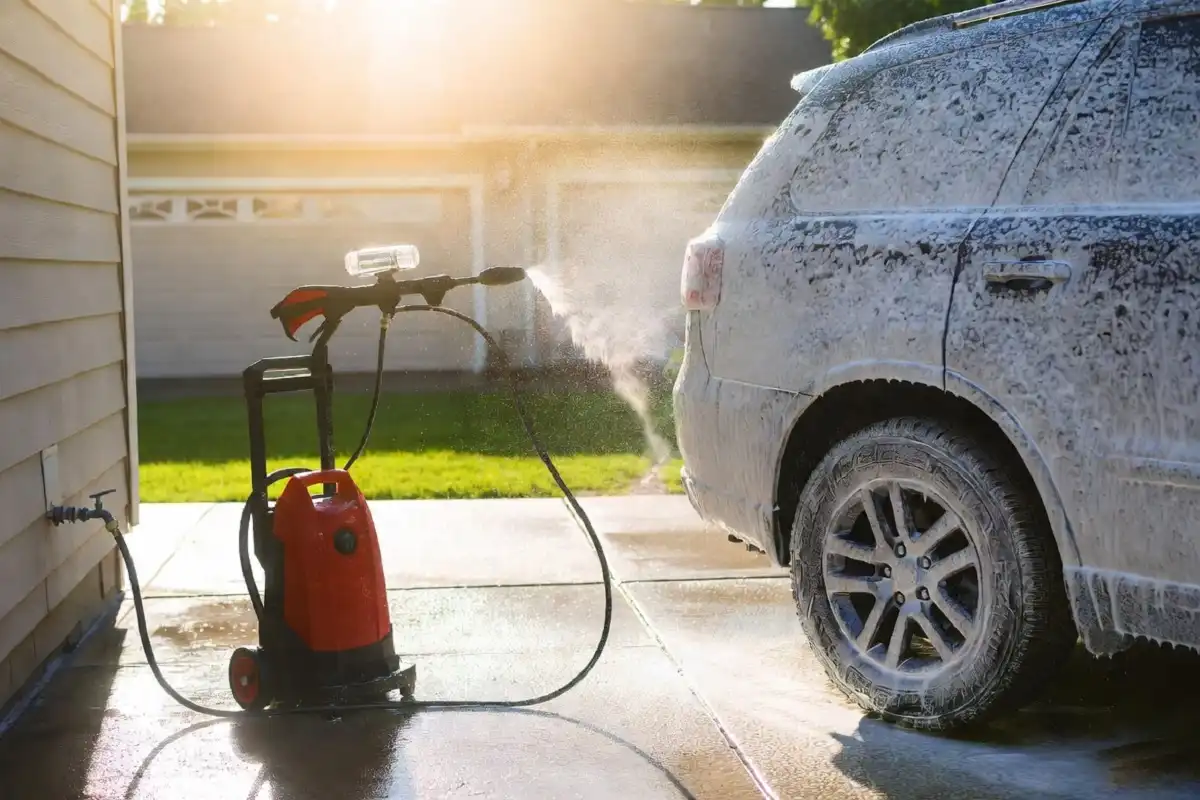
You can use a diluted homemade car wash soap vinegar solution in a foam cannon or low-pressure sprayer. However, standard pressure washer detergent tanks may be affected by the acidity of vinegar over time. If using a foam cannon, keep the ratio low (¼ cup soap + ½ cup vinegar per gallon) and rinse the cannon thoroughly after each use.
Conclusion
Making your own homemade car wash soap vinegar formula is one of the smartest and most cost-effective decisions a car owner can make. It’s cheap, natural, eco-friendly, and when used correctly, it delivers a genuinely clean, streak-free result that rivals commercial products.
To recap the key takeaways:
- Always dilute vinegar — never use it full strength on paint
- Combine with mild soap for the best cleaning action
- Use the two-bucket method and wash top to bottom
- Rinse thoroughly after every wash to remove all residue
- Wax after washing to protect your paint and extend the clean
The best part? You probably already have everything you need in your home right now.