Introduction
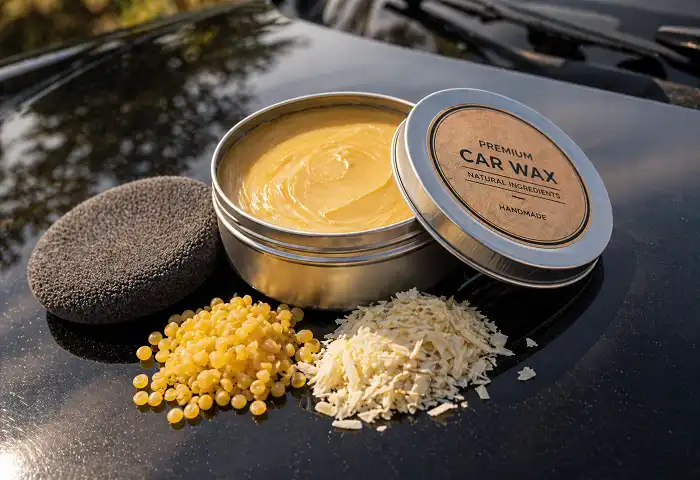
Car wax homemade recipes use natural ingredients like carnauba, beeswax, and coconut oil to protect paint and add lasting shine. This guide walks through each recipe, the tools needed, step-by-step application, common mistakes, storage tips, and troubleshooting fixes. You will learn what works, when to apply, and how to get a glossy finish at home without spending too much money.
Quick Answer: How Do You Make Car Wax Homemade?
Car wax homemade is a DIY paint protectant blended from carnauba flakes, beeswax pellets, and a carrier oil like coconut or jojoba. Melt the waxes at 180°F, stir in the oil, then pour into a tin to set. One batch lasts 6 to 8 weeks per application.
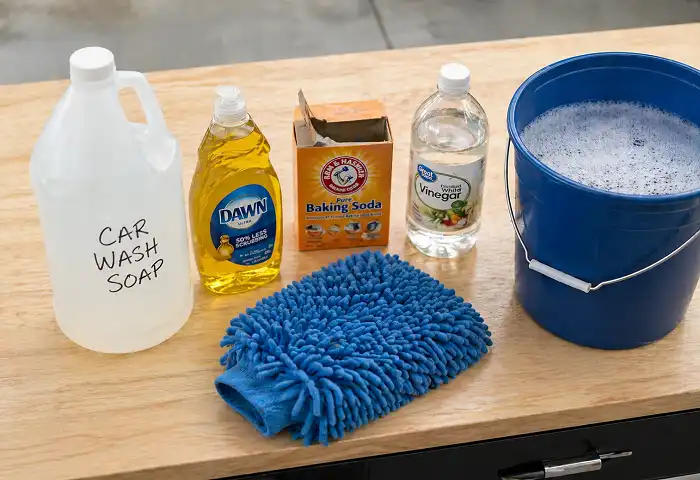
For panel prep before waxing, the homemade car wash soap routine pairs well with these recipes.
What Is Car Wax Homemade?
Car wax homemade is a paint sealant made from food-grade waxes and oils. Carnauba comes from Brazilian palm leaves and resists heat up to 180°F. Beeswax adds body and water resistance. Carrier oils (coconut, linseed, jojoba) thin the blend so it spreads evenly.
The wax forms a thin barrier over the clear coat. It blocks UV rays, dust, and mild road salt. Most blends produce a warm, deep gloss that lasts 4 to 8 weeks.
Why Make Car Wax Homemade Instead of Store-Bought?
Car wax homemade saves money and removes synthetic additives. A 6-ounce store wax sells for $12 to $25. The same volume costs about $4 to $6 to mix at home.
Three reasons drivers switch:
- Cost: 60 to 75% cheaper per ounce.
- Ingredients: No silicone or petroleum solvents.
- Customization: Adjust gloss, slickness, and scent.
According to the USDA grade standards for beeswax, pure beeswax stays stable at room temperature, which makes it reliable for paste recipes.
Ingredients You Need for Car Wax Homemade
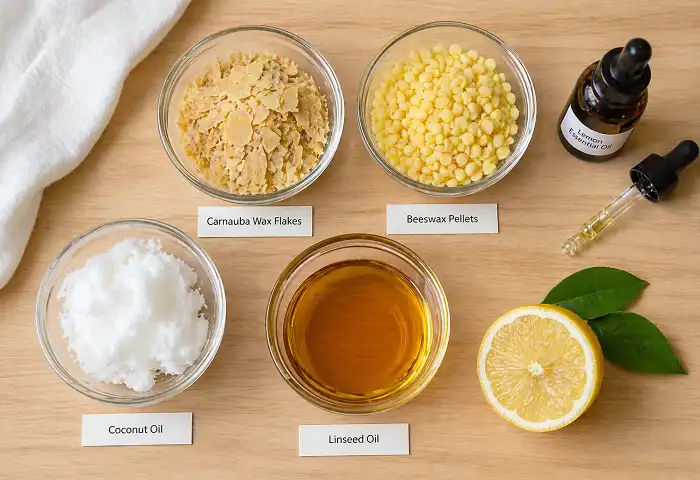
Five core ingredients build a strong base recipe. Each one plays a role in protection, gloss, and spreadability.
| Ingredient | Purpose | Amount per Batch |
|---|---|---|
| Carnauba flakes | Hardness, gloss | 1 oz (28 g) |
| Beeswax pellets | Water resistance | 1 oz (28 g) |
| Coconut oil | Smooth spread | 4 oz (118 ml) |
| Linseed oil | Deep shine | 1 oz (30 ml) |
| Lemon essential oil | Scent, mild cleaning | 10 drops |
Use food-grade carnauba and unrefined beeswax. Avoid colored or scented commercial blocks. They contain dyes that streak the paint.
Tools and Equipment Required
You need basic kitchen tools to mix the wax. Most drivers already own them:
- Double boiler or two stacked pots
- Digital thermometer (0 to 250°F)
- Silicone spatula
- 4 to 8 oz tin or glass jar
- Microfiber applicator pad
- Two clean microfiber towels
Dedicate one pot for car care. Hot wax sticks to metal and ruins cookware for food use.
How to Make Car Wax Homemade Step-by-Step
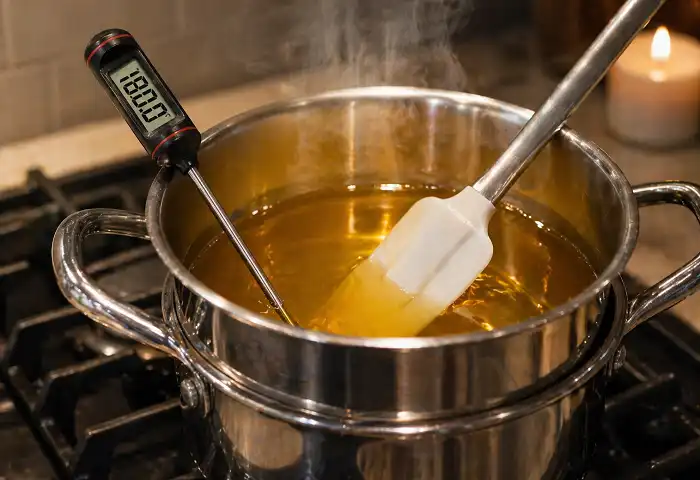
Car wax homemade takes about 20 minutes from melt to set. Follow these seven steps for a paste wax that lasts 6 to 8 weeks.
Step 1: Prep the Workspace
Cover the counter with parchment paper. Place the empty tin nearby. Set the thermometer in the top pot.
Step 2: Heat Water in the Bottom Pot
Fill the bottom pot with 2 inches of water. Bring it to a gentle simmer at 200°F. Hard boiling scorches wax.
Step 3: Melt Beeswax First
Add 1 oz of beeswax pellets to the top pot. Stir slowly until fully liquid. Beeswax melts at 145°F.
Step 4: Add Carnauba Flakes
Pour 1 oz of carnauba into the melted beeswax. Stir for 3 to 4 minutes. Carnauba wax melts near 180°F, the highest of the group.
Step 5: Mix in Carrier Oils
Remove the pot from heat. Stir in 4 oz coconut oil and 1 oz linseed oil. Add 10 drops of lemon essential oil last.
Step 6: Pour and Cool
Pour the warm blend into the tin. Let it rest at room temperature for 2 hours. Refrigeration cools too fast and causes cracks.
Step 7: Test on a Hidden Panel
Apply a coin-sized amount to the inside door jamb. Buff after 5 minutes. If the surface stays smooth and glossy, the batch is ready.
4 More Car Wax Homemade Recipes
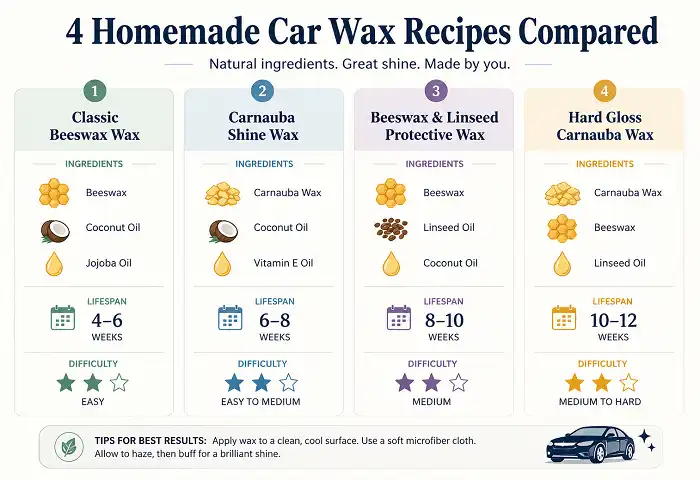
Each recipe targets a different finish goal. Pick one based on your paint type and weather.
Recipe 1: Coconut Oil Quick Wax (Spray)
Mix 8 oz coconut oil with 2 oz distilled water and 1 tsp lemon juice in a spray bottle. Shake before each use. Lasts 2 to 3 weeks. Best for daily drivers.
Recipe 2: Beeswax Paste Wax (Hardest Finish)
Melt 2 oz beeswax with 4 oz olive oil. Pour into a tin. Lasts 8 to 10 weeks. Suits show cars and weekend rides.
Recipe 3: Linseed Oil Glaze
Mix 4 oz boiled linseed oil with 1 oz white vinegar. Apply with a soft cloth. Adds depth to dark paint. Lasts 3 to 4 weeks.
Recipe 4: Carnauba Cream Wax
Blend 2 oz carnauba flakes with 6 oz jojoba oil. Whip after cooling for a smooth cream. Lasts 6 to 8 weeks.
The same prep routine from a DIY car shampoo recipe works before any of these blends.
How to Apply Car Wax Homemade Properly
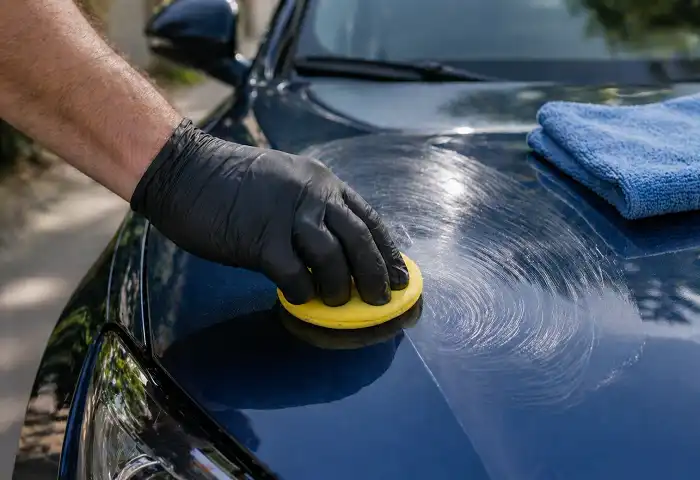
Car wax homemade performs best on a cool, clean, dry panel. Apply in shade between 60°F and 80°F. Direct sun bakes the wax and causes streaks.
Follow this six-step process:
- Wash the car with a pH-neutral soap.
- Dry with a clean microfiber towel.
- Scoop a dime-sized amount onto the applicator pad.
- Spread in straight lines, panel by panel.
- Wait 3 to 5 minutes for the haze to form.
- Buff with a clean microfiber towel until clear.
Work one panel at a time: hood, roof, doors, trunk, then bumpers. Skip plastic trim and rubber seals, since wax leaves white residue.
For panel order and pressure tips, the guide on hand washing your car covers the full prep flow.
How Long Does Car Wax Homemade Last?
Car wax homemade lasts 4 to 8 weeks on average. Lifespan depends on three factors:
- Climate: Hot, humid areas reduce wax life by 30%.
- Storage: Garaged cars hold wax 2 weeks longer.
- Wash frequency: Weekly washes shorten life slightly.
Hard paste blends with carnauba last longest. Spray waxes with coconut oil last the shortest. Most owners reapply every 6 weeks for steady protection.
Storage Tips for Car Wax Homemade
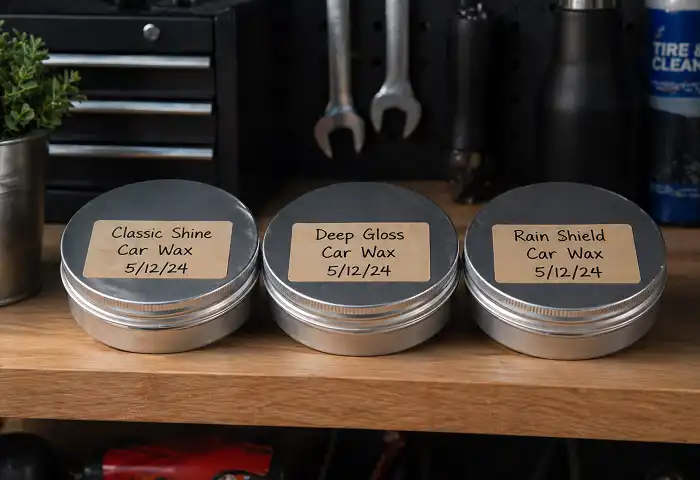
The tin stays fresh for 6 to 12 months when stored correctly. Heat and air shorten shelf life.
Store the tin in a cool, dark cabinet between 50°F and 75°F. Keep the lid tight to block oxygen. Avoid the garage in summer, since temperatures above 100°F soften the wax and separate the oils.
If the surface looks oily or smells rancid, discard the batch. Linseed and coconut oils oxidize faster than carnauba.
Common Mistakes With Car Wax Homemade
Most failures trace back to five errors. Skip these and your finish stays glossy.
- Applying on hot paint: Wax flashes too fast and streaks.
- Using too much: Thick layers turn cloudy and resist buffing.
- Skipping the wash: Dirt grinds into the clear coat under the wax.
- Buffing late: Dried wax bonds and chips off.
- Mixing in dirty pots: Old food residue contaminates the blend.
A thin, even coat beats a thick layer every time. The pre-wash steps in this self car wash guide help remove dirt before waxing.
Troubleshooting Car Wax Homemade Problems
Sometimes the batch goes wrong during melt or application. Use this chart to fix common issues.
| Problem | Cause | Fix |
|---|---|---|
| Streaks after buffing | Applied in sun | Reapply in shade |
| Cloudy haze stays | Used too much | Wipe with damp cloth, redo thin |
| Wax cracks in tin | Cooled too fast | Remelt and cool slowly |
| Oily film returns | Carrier oil excess | Add more beeswax to next batch |
| Burnt smell | Overheated wax | Discard, restart at 180°F max |
Keep a log of each batch. Note the ratio, melt time, and weather. Small tweaks lead to a personal best recipe.
Safety Tips When Making Car Wax Homemade
Hot wax burns skin in seconds. Treat the melt pot like hot frying oil.
Wear long sleeves, oven mitts, and safety glasses during the melt. Keep a fire extinguisher within reach, since wax flashes near 400°F. Never leave the pot unattended.
Linseed oil rags self-ignite as they oxidize. Spread used rags flat outdoors to dry, then store them in a sealed metal can with water before disposal.
Keep kids and pets out of the workspace. Essential oils irritate eyes and lungs at high doses.
When and Where to Apply Car Wax Homemade
Apply the wax every 6 weeks during spring and fall. Skip deep winter, since cold paint below 50°F resists bonding. Heat above 90°F also blocks proper curing.
Best location: a shaded driveway or covered carport. Indoor garages work if airflow stays steady. Outdoor sun, dust, and wind ruin the finish.
The tips on saving money on car care pair well with this routine for fewer washes between waxings.
Car Wax Homemade vs. Store-Bought Wax
| Factor | Homemade | Store-Bought |
|---|---|---|
| Cost per ounce | $0.70 to $1.00 | $2.00 to $4.00 |
| Prep time | 20 min | 0 min |
| Lifespan | 4 to 8 weeks | 6 to 12 weeks |
| Ingredients | 3 to 5 natural | 10+ synthetic |
| Customization | Full control | None |
Store waxes last longer due to polymer additives. Car wax homemade wins on cost, ingredient transparency, and scent control.
For prep benchmarks, the best car wash soap options give a clean panel before any wax goes on.
Pro Tips for Better Car Wax Homemade Results
Small habits separate a good finish from a great one. Use these tips on every batch:
- Strain melted wax through cheesecloth to remove debris.
- Whip cooled wax with a fork for a softer paste.
- Add 1 tsp arrowroot powder to absorb extra oil.
- Test on the door jamb before full-car use.
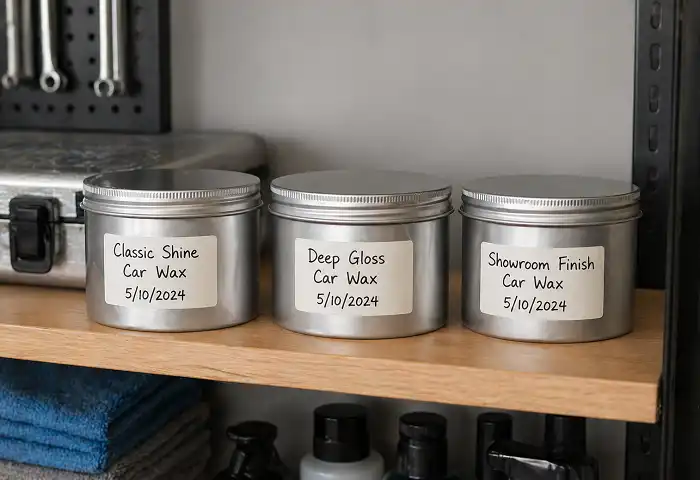
- Label each tin with date and recipe name.
Track which recipe works on your paint color. Black and dark red show streaks faster than white or silver.
FAQs About Car Wax Homemade
Is car wax homemade safe for clear coat?
Yes. A blend of food-grade carnauba and beeswax stays gentle on clear coat. Avoid abrasive additives like baking soda or table salt, which scratch the surface.
How often should I apply car wax homemade?
Reapply car wax homemade every 6 weeks. Garaged cars stretch to 8 weeks. Heavy daily drivers in hot climates need 4-week cycles for steady protection.
Can I use this wax on matte paint?
No. Carnauba and beeswax add gloss, which ruins a matte finish. Matte paint needs a dedicated matte sealant from a specialty brand.
Does it protect against bird droppings?
The wax forms a thin barrier that slows acid etching. Wipe droppings within 2 hours for full protection. Sitting longer leaves a dull mark.
What is the best oil for car wax homemade?
Coconut oil works for spreadability. Linseed oil deepens shine on dark paint. Jojoba oil resists oxidation longest. Coconut suits beginners due to easy mixing.
Can I make car wax homemade without beeswax?
Yes. Replace beeswax with extra carnauba (2 oz total) and 1 tbsp soy wax. The finish gets harder but takes more buffing pressure.
How do I remove the old wax layer?
Use warm water and a degreasing dish soap. Wipe with a clay bar for a full strip. Reapply within 24 hours to protect bare clear coat from oxidation.
Final Thoughts
Making car wax homemade gives you a glossy, low-cost finish with full control over the ingredients. Stick to the carnauba-beeswax base, melt at 180°F, and apply thin layers in the shade. A 20-minute batch protects your paint for 6 weeks and saves $15 to $20 per tin.
Start with the paste recipe. Once you nail the ratios, branch into spray and cream blends. Each batch teaches you something about your paint, climate, and routine. Stay consistent, log your results, and your finish keeps getting better season after season.