Introduction
Washing your car traditionally means dragging out the hose, mixing soap, scrubbing panels, and rinsing everything down the driveway. It works, but it takes time and uses a surprising amount of water. A waterless car wash skips all of that. With a spray product and a few microfiber cloths, you can clean your vehicle almost anywhere without a single drop from the tap. This guide explains how it works, when to use it, and how to get a great result every time.
What Is a Waterless Car Wash?
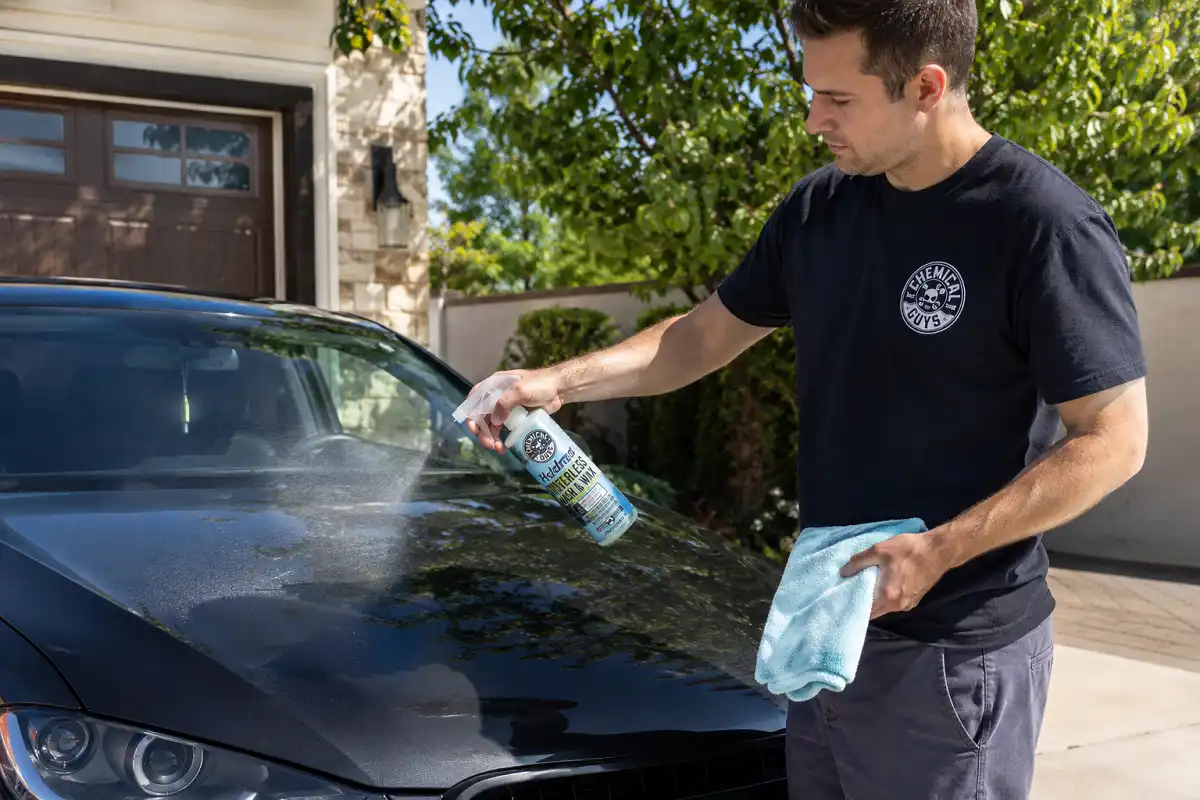
A waterless car wash is a spray-based cleaning method that lifts dirt from a vehicle’s surface without requiring water or a rinse. You spray the product directly onto the paintwork, let it sit for a few seconds, and then wipe it away with a microfiber cloth. The formula encapsulates dirt particles and lubricates the surface so the cloth can remove them without scratching the paint.
It is not the same as a quick detailer, though the two are often confused. A quick detailer is primarily for light dust and finishing touches. A waterless wash product is formulated to handle moderate levels of dirt and is intended as a full substitute for a traditional exterior wash.
Most formulas also leave behind a light protective layer that adds some shine and surface protection. The result is a clean, polished look achieved in a fraction of the time.
When Should You Use a Waterless Car Wash?
This method works best under specific conditions, and knowing those conditions helps you get a consistently good result.
It is well suited for:
- Light to moderate dirt, dust, and road film
- Apartment or condo living where hose access is limited
- Travel or parking lot touch-ups
- Water-restricted areas or drought conditions
- Maintaining cleanliness between full washes
It is not recommended for heavily soiled vehicles covered in thick mud, caked-on grime, or loose debris that could grind into the paint during wiping. For those situations, a proper rinse first is the safer choice.
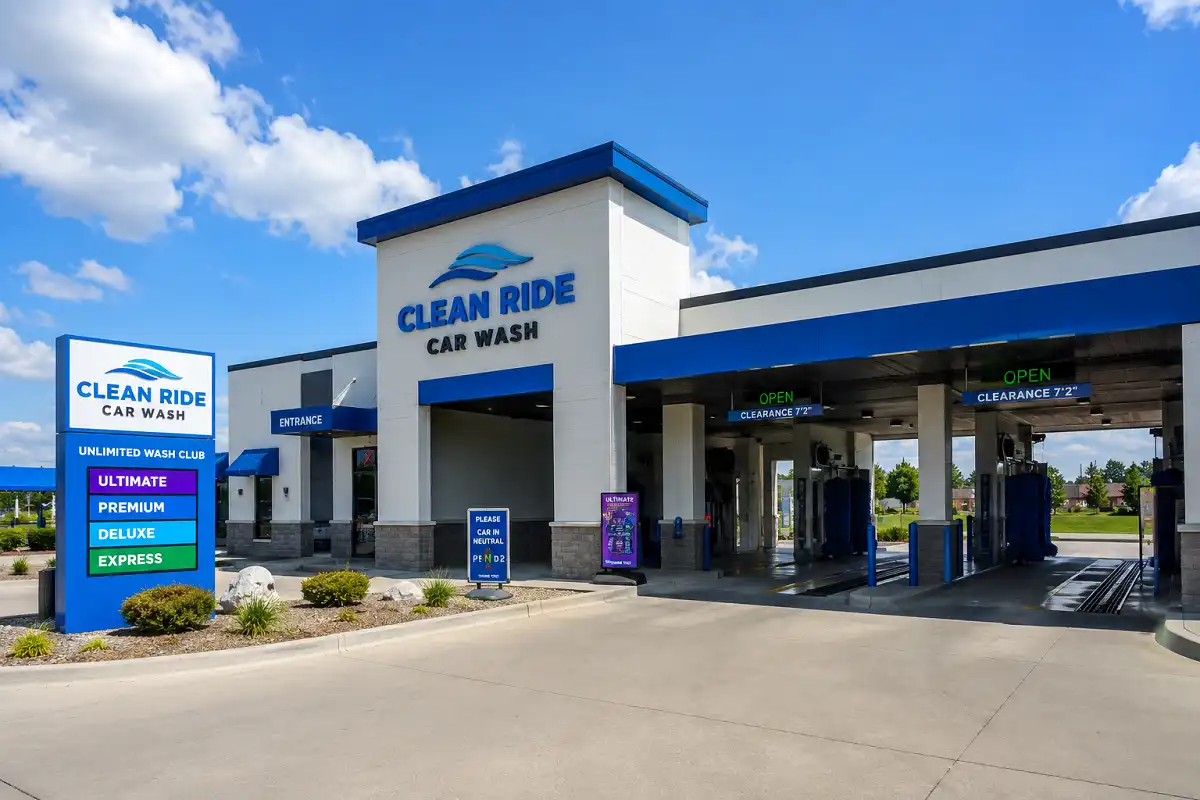
If you are regularly using express facilities and want a way to maintain results between visits, understanding how an express car wash works can help you plan a routine that uses both methods together.
The Environmental Case for Going Waterless
Traditional car washing at home can use anywhere from 80 to 140 liters of water per session. Professional facilities, by contrast, often recycle water. A waterless approach takes this further by using no water at all, which makes it one of the more practical eco-conscious choices for vehicle owners.
According to the United States Environmental Protection Agency, washing a car at home also sends soapy runoff into storm drains, which can affect local waterways. Waterless products eliminate that runoff entirely since no rinsing is involved.
For drivers who care about reducing their environmental footprint without sacrificing a clean vehicle, this method is worth considering as a regular option rather than just an occasional shortcut.
Choosing the Right Waterless Car Wash Product
The market has a range of products, and they are not all formulated the same way. When selecting one, a few things are worth checking.
Lubrication quality is the most important factor. The product needs enough lubricating agents to prevent the cloth from dragging dirt across the paint. A low-quality formula puts your clear coat at risk, especially on darker vehicles where fine scratches are most visible.
Concentration vs. ready-to-use is another consideration. Some products come as concentrates that you dilute yourself, which offers better long-term value. Others are ready-to-spray out of the bottle, which is more convenient for occasional use.
Finish and protection vary between brands. Some products leave a hydrophobic layer that helps repel future dust and water. Others focus purely on cleaning with minimal residue. If you want to reduce how often you need to clean, a product with added protection is a better fit.
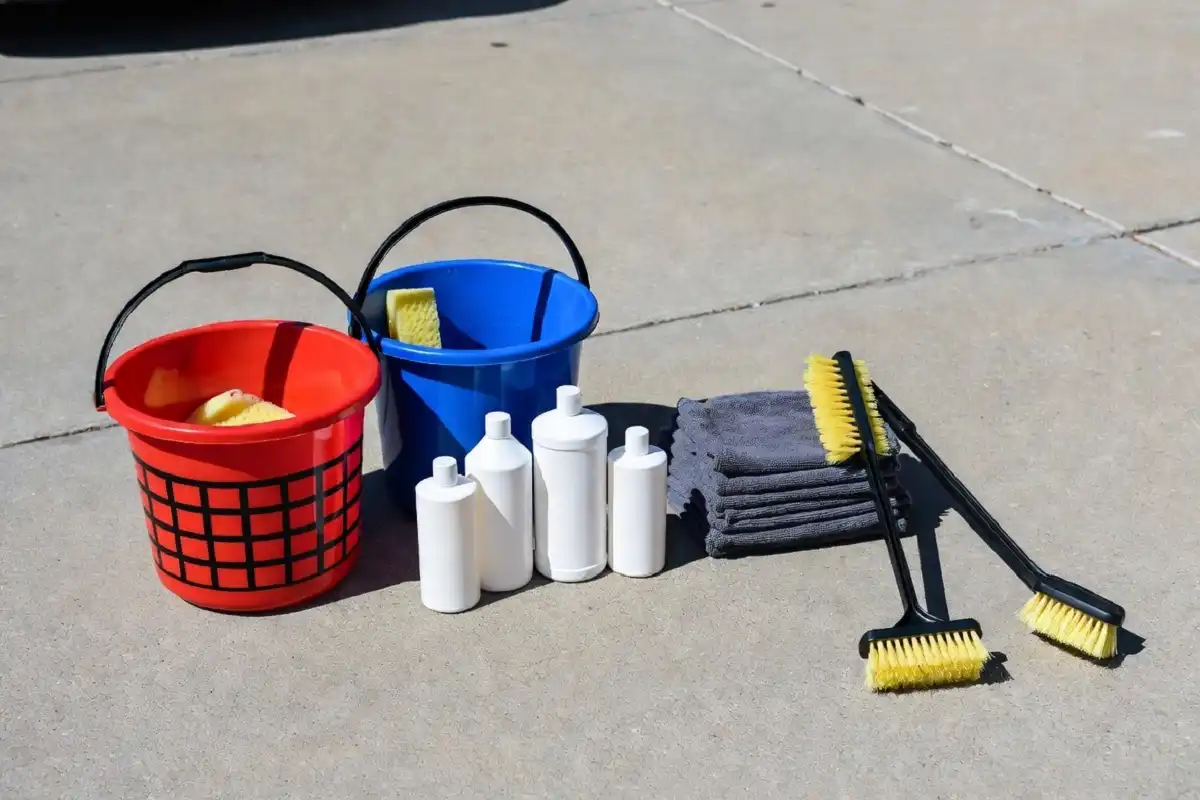
A well-stocked car wash kit guide can help you identify which tools and products work together for the best outcome.
Step-by-Step: How to Do a Waterless Car Wash
Getting a clean, scratch-free result comes down to using the right technique as much as the right product.
Step 1: Work in the shade Direct sunlight causes the product to dry too quickly, which makes it harder to wipe cleanly and increases the chance of streaks. Find a shaded spot or work in a garage if possible.
Step 2: Pre-remove loose debris If there are leaves, bird droppings, or loose grit sitting on the panel, remove them gently before spraying. A light air blower or a quick rinse with a spray bottle of clean water on that area will do the job.
Step 3: Spray section by section Work on one panel at a time rather than spraying the entire car at once. Apply a generous coat of product to the panel, letting it sit for a few seconds to loosen surface contamination.
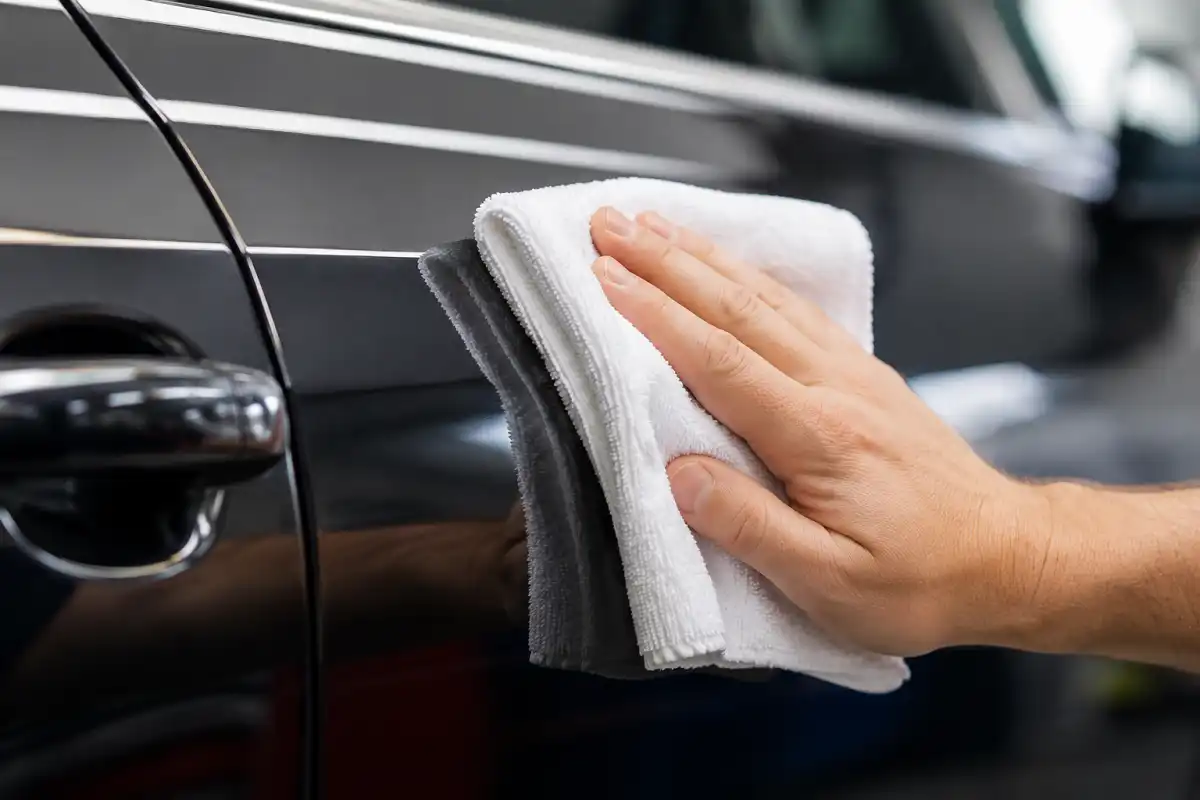
Step 4: Wipe with a folded microfiber cloth Use a clean microfiber cloth folded into quarters. This gives you multiple clean sides to flip to as one side gets dirty. Wipe in straight lines following the direction of the paint grain, not in circles.
Step 5: Buff with a second dry cloth Follow up each panel with a second clean, dry microfiber cloth to buff away any remaining product residue and bring out the shine.
Step 6: Replace cloths when saturated Do not continue wiping with a cloth that is visibly dirty. Dragging a contaminated cloth across the paint is the most common cause of fine scratches with this method. Keep several clean cloths on hand.
Common Mistakes to Avoid
Even with a good product and the right technique, a few habits can undermine your results.
Using too little product is a frequent issue. The spray needs to properly lubricate the surface before the cloth makes contact. If the panel looks barely damp, add more product.
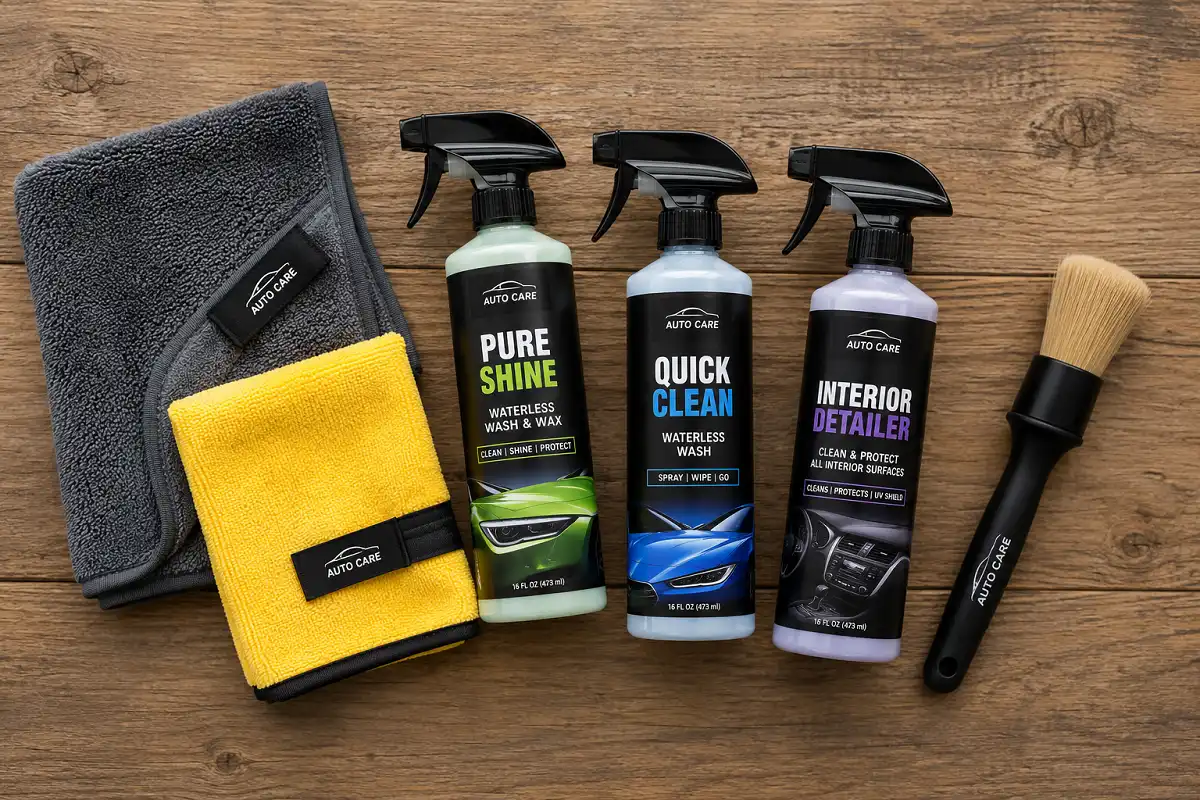
Using the wrong cloth material is another common misstep. Terry cotton towels, paper towels, and old t-shirts do not have the right fiber structure to safely pick up and hold dirt particles. Microfiber is the only recommended option.
Skipping the panel-by-panel approach by trying to do the whole car in a few passes leads to uneven results and increases the risk of cross-contaminating clean sections with dirt from dirtier ones.
How Waterless Washing Compares to Other Methods
It helps to know where this method fits relative to your other options.
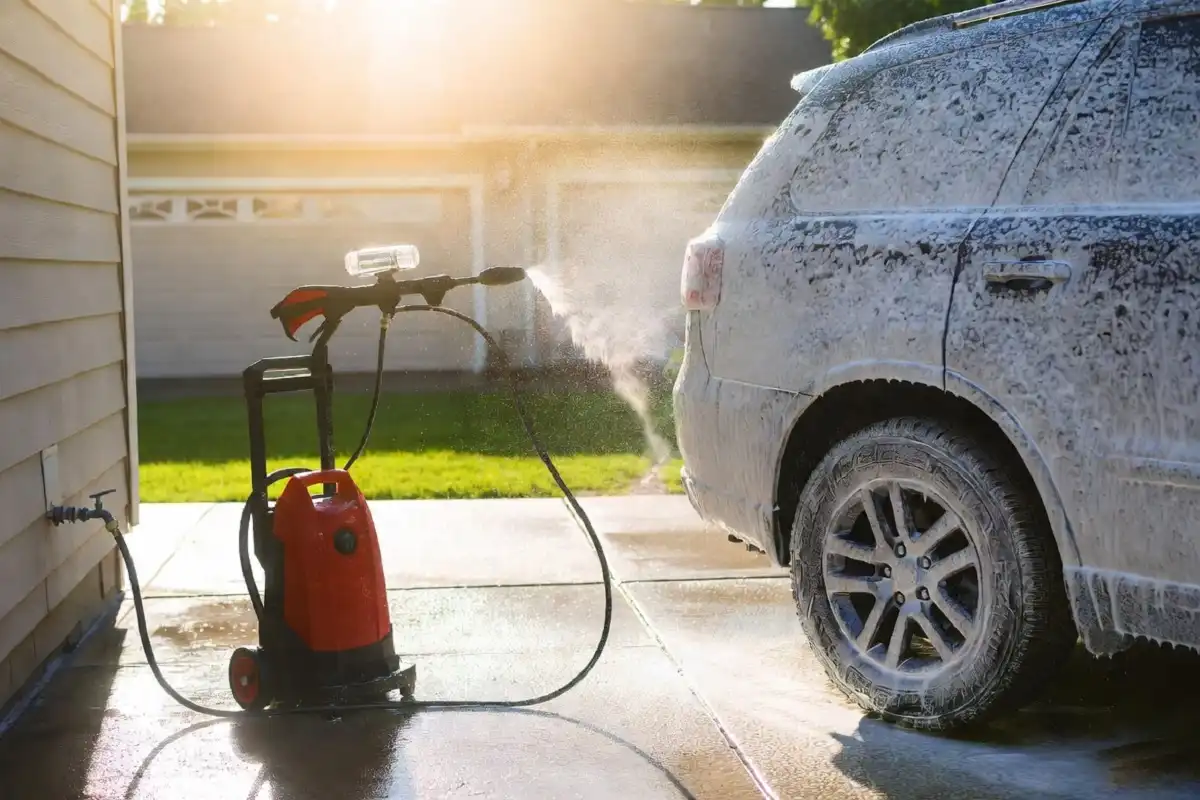
A full soap-and-water wash at home gives the most thorough clean, especially for the lower panels, wheels, and undercarriage. It remains the gold standard for heavily soiled vehicles or pre-detailing prep.
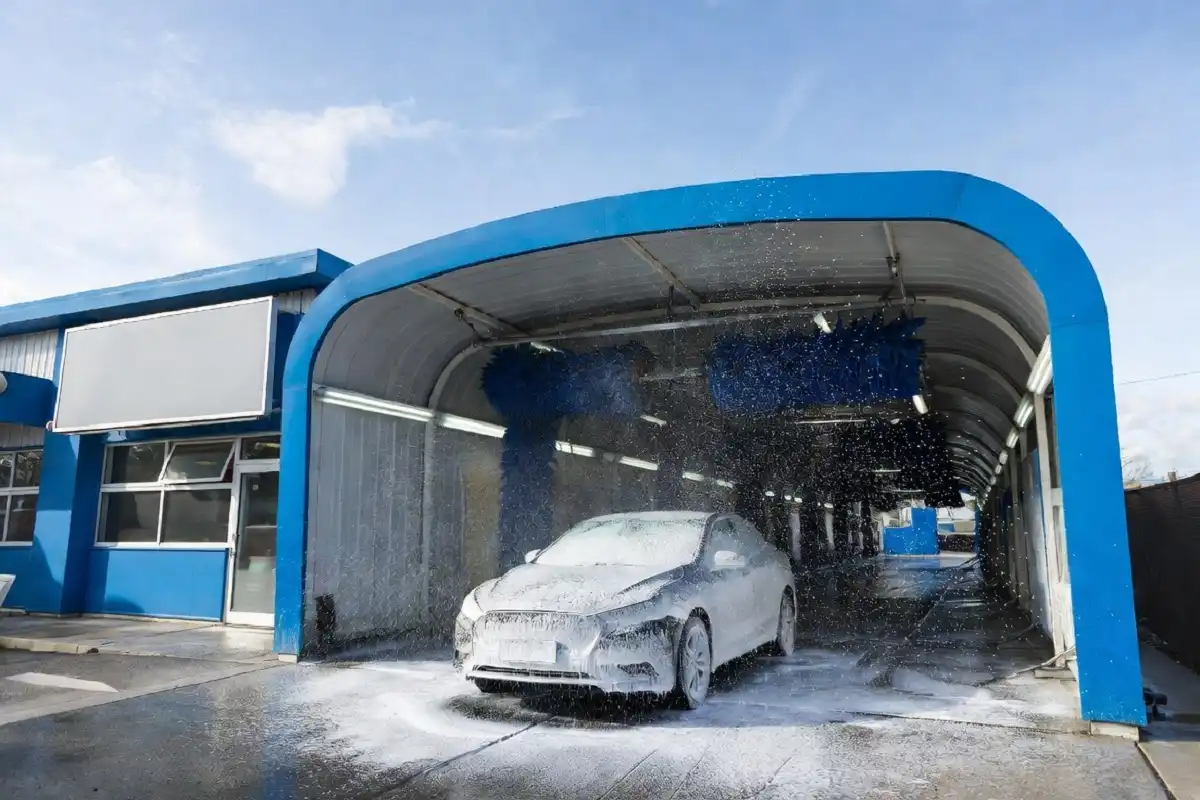
A tunnel car wash is fast and consistent, but it requires driving to a facility and paying per visit or through a subscription. For drivers who like the convenience of professional results without the commute, a nearby car wash facility is still a useful fallback.
Waterless washing sits between these options. It is more thorough than a quick detailer but less intensive than a full rinse wash. Used regularly on a moderately clean vehicle, it can extend the time between traditional washes significantly.
The Natural Resources Defense Council regularly highlights water conservation at home as one of the more impactful personal choices, and switching periodic washes to a waterless method is a realistic step in that direction.
FAQ
Will a waterless car wash scratch my paint?
It can, if you use the wrong cloth or too little product, but the risk is low when you follow the correct technique. The key is adequate lubrication from the spray and clean microfiber cloths throughout the process.
How dirty can my car be for this method to work safely?
Light to moderate road dust and film are within the safe range. Thick mud, heavy road salt buildup, or loose grit on the surface should be rinsed away first before using a waterless product.
How many microfiber cloths do I need for one session?
Plan for six to eight cloths for a standard-sized vehicle. This gives you enough to work panel by panel while always having a clean side available.
Can I use a waterless wash on my windows and wheels?
Yes, most formulas are safe on glass and coated alloy wheels. Use a separate set of cloths for wheels since brake dust contamination can transfer to paint if you mix them up.
Is waterless car wash more expensive than traditional washing?
The per-session cost of a quality spray product is comparable to or lower than a basic tunnel wash, and there are no facility fees involved. Concentrate formulas bring the cost down further over time.
Conclusion
A waterless car wash is one of the most practical tools available to modern drivers. It saves water, removes the need for outdoor space or hose access, and produces a clean, protected finish in under thirty minutes. Once you get the technique right, it becomes a simple part of your routine rather than a chore.