A white water car wash is one of the most effective ways to keep your vehicle looking clean and well-maintained. It combines thorough rinsing with the right technique to remove dirt, road grime, and surface contaminants without damaging the paint. Whether you handle it at home or visit a professional facility, understanding the process makes a noticeable difference. This guide covers everything from tools and steps to maintenance habits and common questions, so you can get the best possible result every time you wash your car.
What Is a White Water Car Wash?
A white water car wash refers to a high-rinse, water-forward cleaning approach that relies on strong water flow to loosen and lift dirt before any contact with the paint surface. The name reflects the visual of clean, rushing water working across the vehicle during the rinse phases.
This method is popular at both professional facilities and among drivers who prefer a thorough home wash. It works especially well on vehicles that accumulate heavy road grime, dust, or seasonal buildup from salt and debris.
Unlike a quick spray-and-wipe routine, this method treats each stage of the process with intention, from the pre-rinse to the final dry. The result is a cleaner surface with less risk of scratching or swirl marks.
Why Water Pressure and Volume Matter
Water is the most important tool in any white water car wash. Using strong, consistent water flow during the pre-rinse stage removes loose particles before a mitt or sponge ever touches the paint. This alone prevents a large percentage of fine scratches that happen during washing.
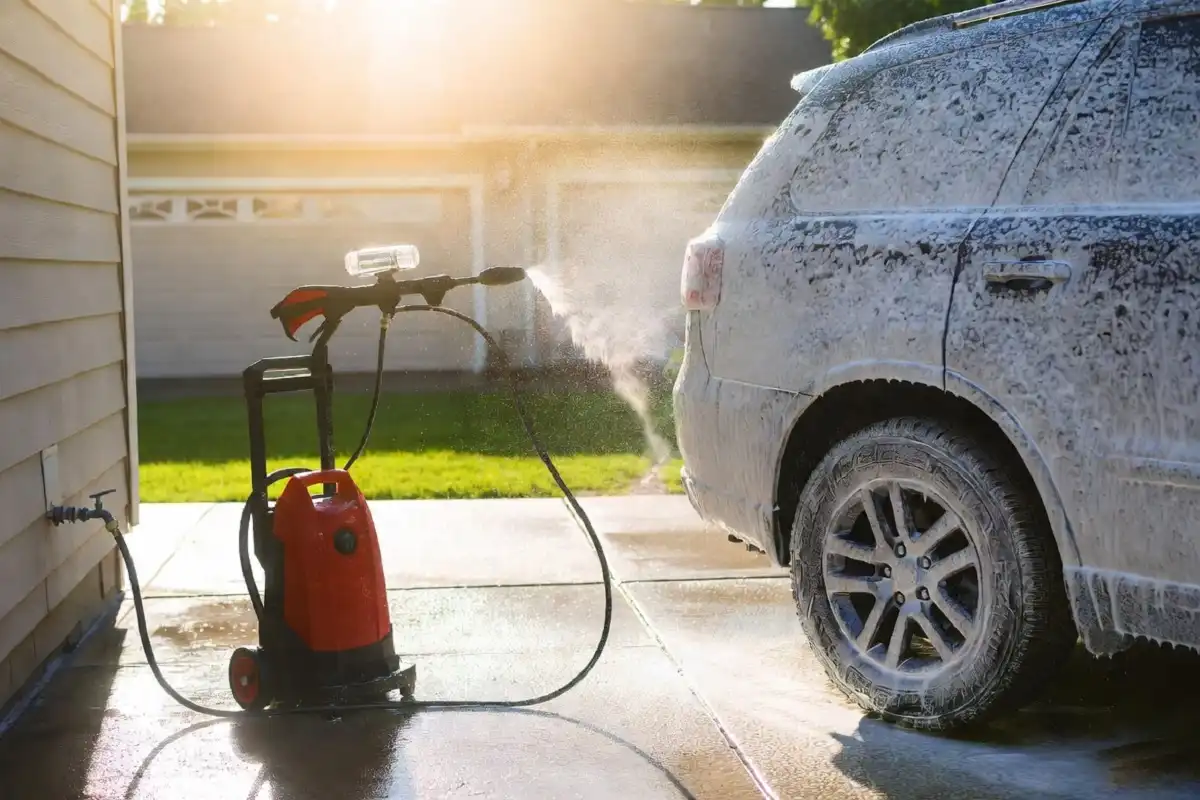
A standard garden hose works well for most vehicles. A pressure washer adds extra force for lower panels, wheel wells, and areas with caked-on mud or road tar. The key is to rinse thoroughly enough that you are not dragging dry grit across the surface during the contact wash phase.
Strong water flow also helps during the final rinse, clearing away soap residue cleanly so it does not dry on the surface and leave streaks or white film.
Tools You Will Need
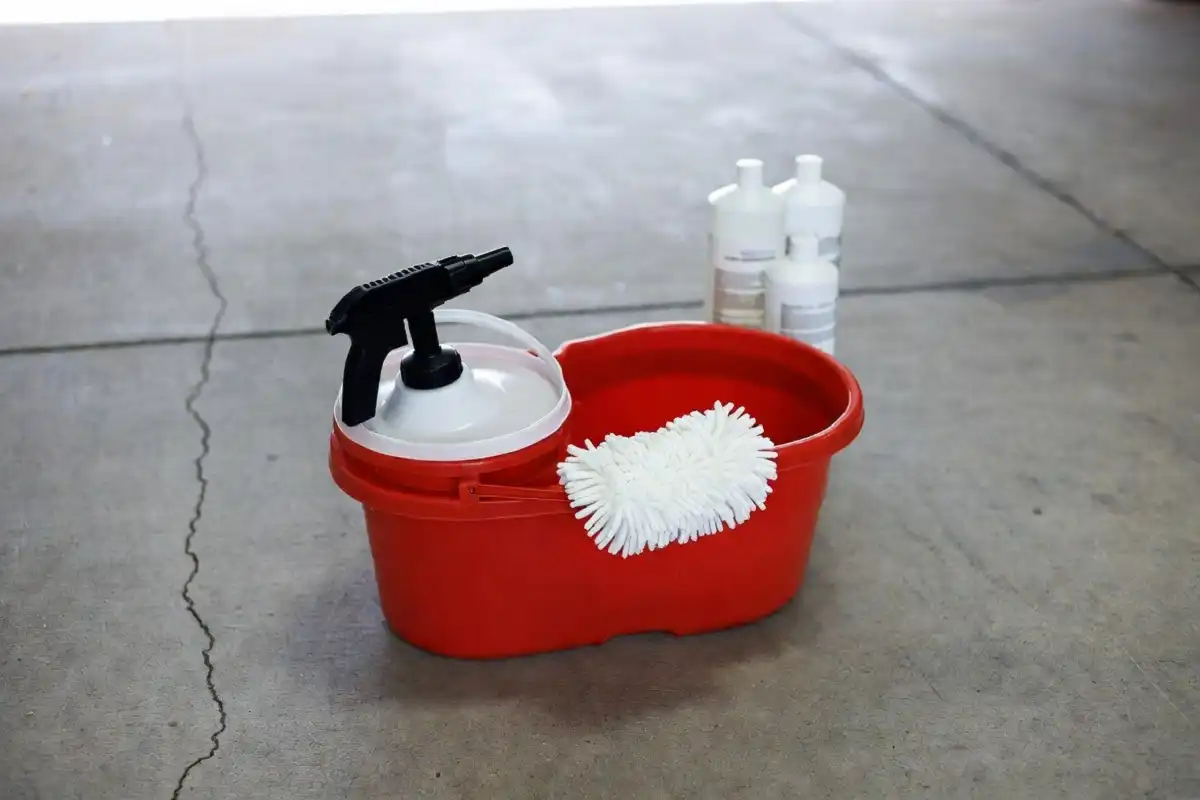
Having the right supplies ready before you start makes the overall process faster and more effective.
- A garden hose with an adjustable nozzle or a pressure washer
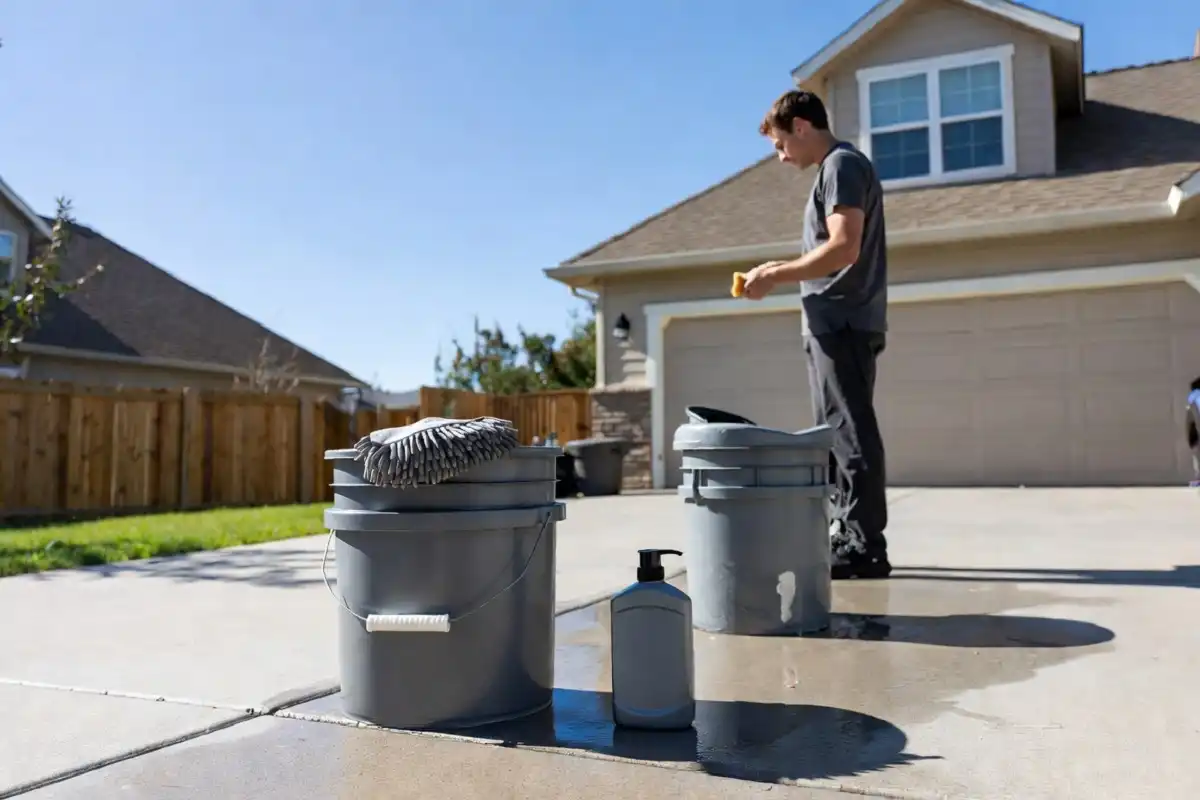
- Two wash buckets (one soapy, one plain rinse water)
- A pH-neutral car wash shampoo
- A soft microfiber wash mitt
- A dedicated wheel brush and wheel cleaner
- Large microfiber drying towels
- A quick-detail spray or spray wax for finishing
- Glass cleaner safe for automotive use
You do not need a large investment to get professional-quality results. Most of these items are available at any auto parts store and last for many washes if cared for properly.
For drivers who sometimes need a faster alternative, the waterless car wash guide is worth reading. It covers no-rinse products that work well between full washes.
Step-by-Step White Water Car Wash Process
Step 1: Pre-Rinse the Entire Vehicle
Start every white water car wash with a full pre-rinse from top to bottom. This step removes loose dust, pollen, bird droppings, and surface grit before you make any contact with the paint. Give extra attention to the lower panels, door sills, and wheel arches where debris collects most heavily.
Step 2: Clean the Wheels Separately
Wheels carry the most contamination of any part of your car. Brake dust, tar, and road residue build up quickly and can transfer to your wash mitt if you do not handle wheels first. Use a dedicated wheel cleaner and brush, then rinse them completely before moving to the body.
Keeping wheels separate from the body wash prevents cross-contamination and protects your paint from abrasive particles.
Step 3: Apply Shampoo and Wash Using Two Buckets
Mix your car shampoo in one bucket and fill the second with plain water for rinsing the mitt. Wash one panel at a time using straight, overlapping passes. After each panel, rinse the mitt in the plain water bucket before loading it with fresh soap. This keeps your wash water clean throughout the process.
Work from the roof down. The lower panels are dirtiest, so finishing with them prevents recontamination of areas you have already cleaned.
According to the International Carwash Association, proper washing technique is one of the most effective ways to protect a vehicle’s exterior finish over time.
Step 4: Rinse Thoroughly
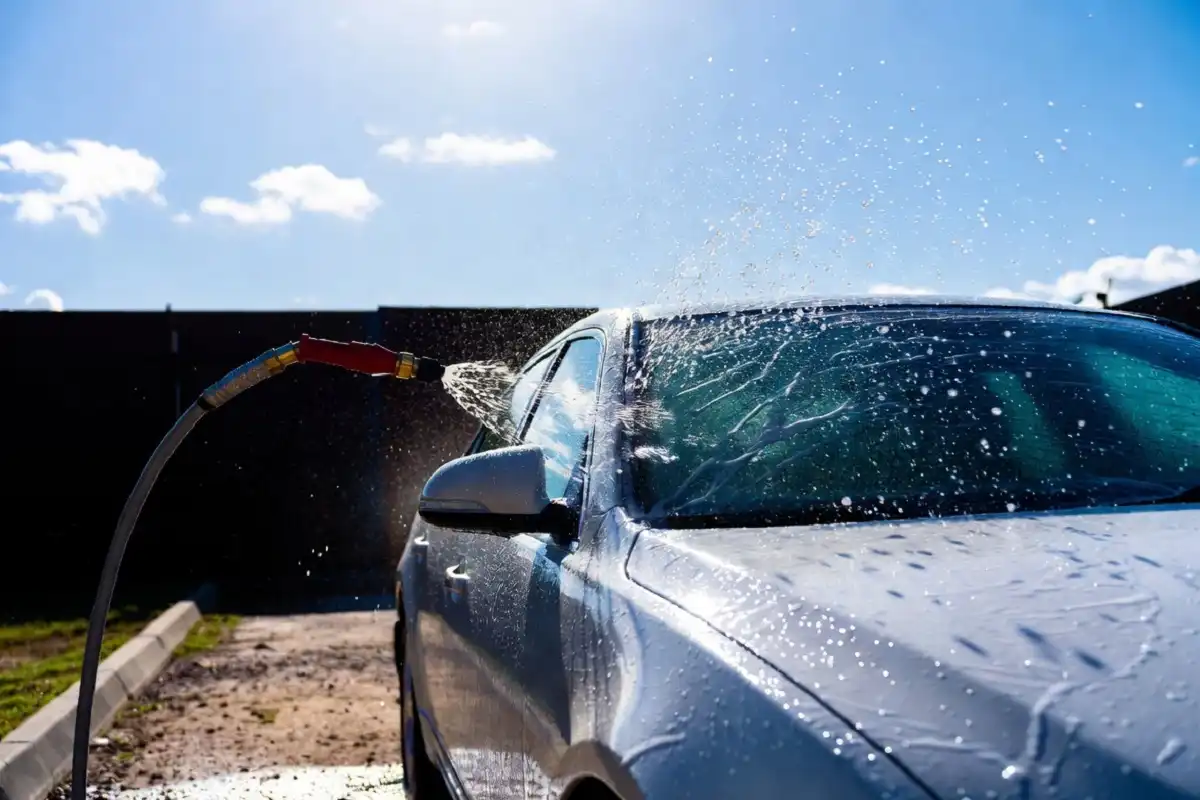
A strong, complete rinse is where the white water car wash really earns its name. Use a full flow of water and work panel by panel from top to bottom. Sheet-flow rinsing, where you remove the nozzle and let water run freely across the surface, helps water slide off more completely and reduces drying time.
Make sure no soap remains in seams, door gaps, or around mirrors. Trapped soap dries into a white residue that is difficult to remove later.
Step 5: Dry Immediately
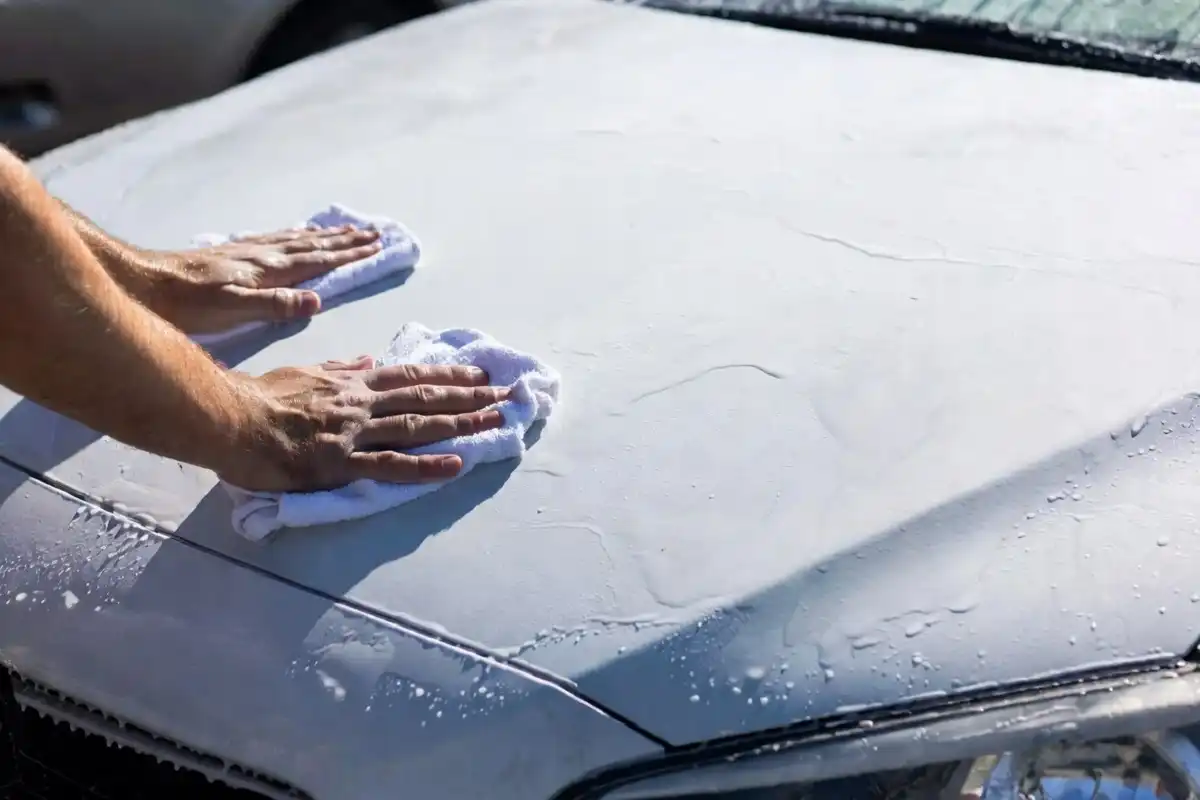
Do not let the car air dry after a white water car wash. Water spots form fast, especially in warm or direct sunlight. Use large, clean microfiber drying towels and work from the roof down. Pat or drag gently rather than scrubbing.
A dedicated glass cloth gives a streak-free finish on windows and mirrors, which respond differently to drying than body panels.
Step 6: Finish with a Protective Spray
Apply a quick-detail spray or spray wax once the car is fully dry. This step adds a layer of protection, boosts shine, and makes the next wash easier by reducing how much dirt bonds to the surface. Even a light coat of spray wax extends the life of your paint’s protective layer significantly.
Professional White Water Car Wash Options
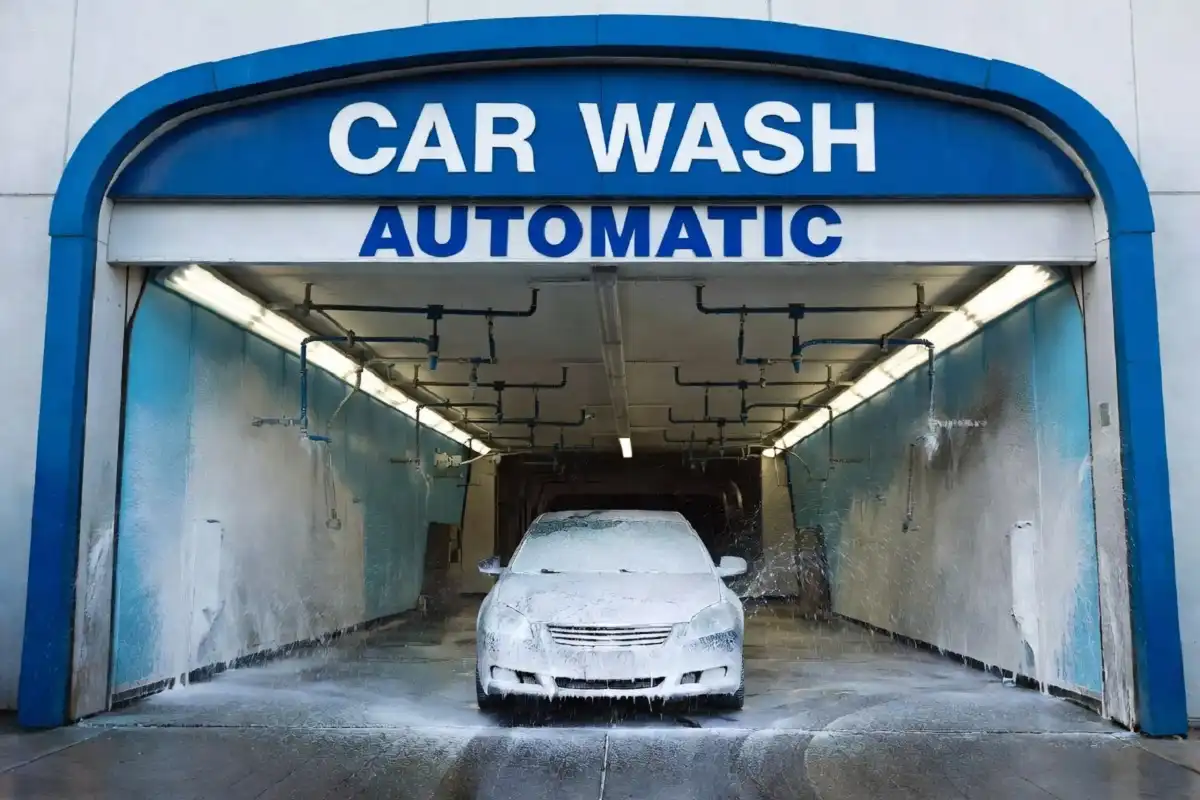
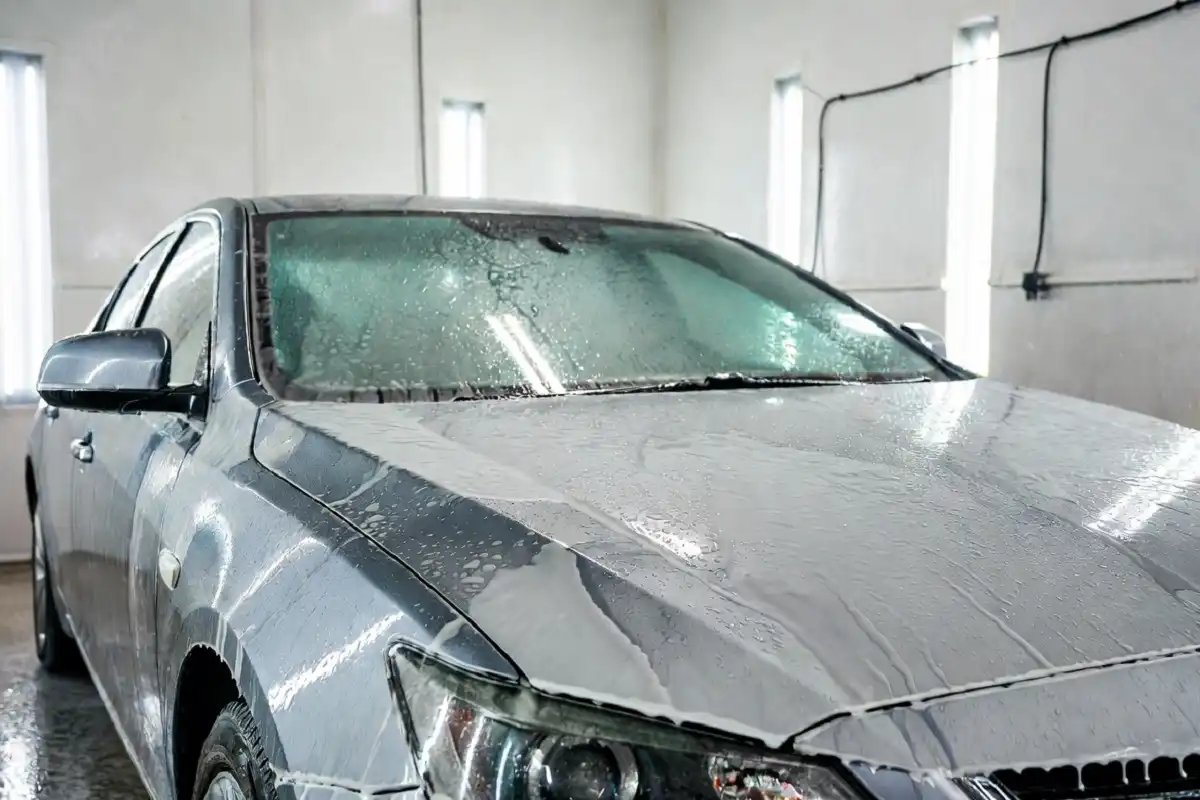
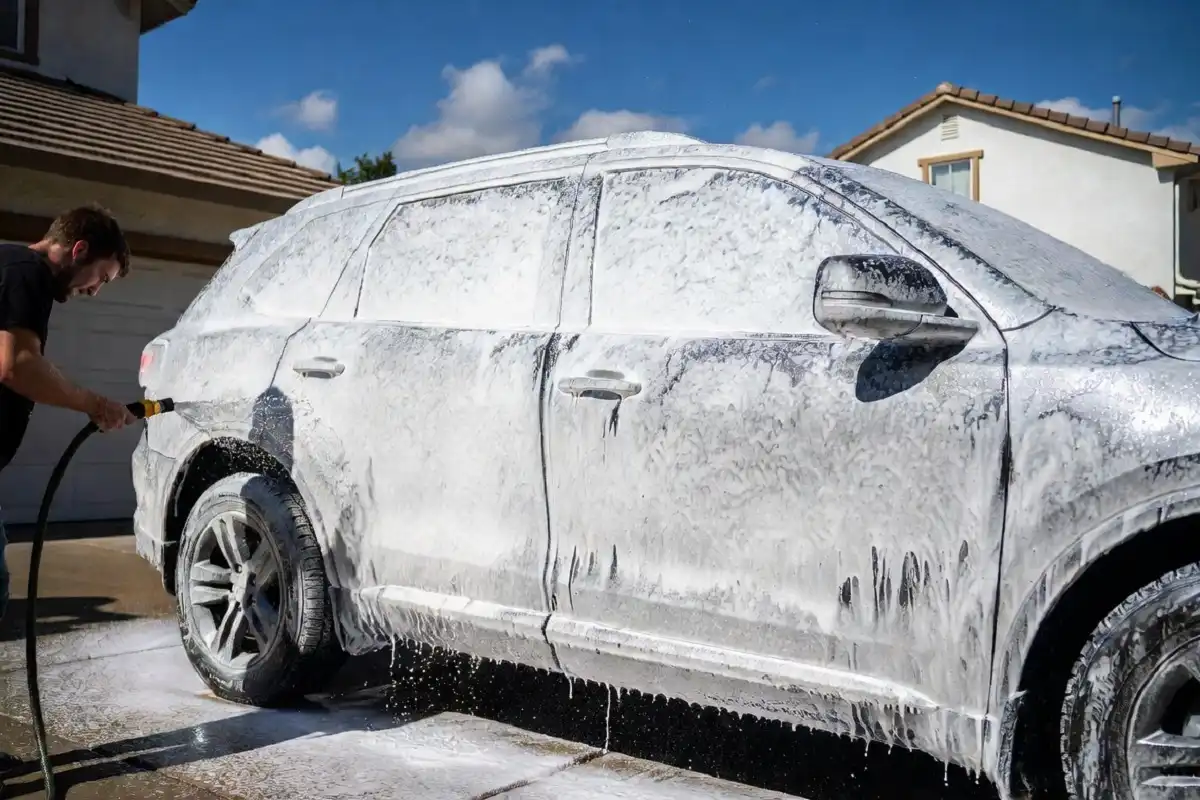
Many drivers prefer using a professional facility for convenience and speed. A well-run white water car wash facility uses high-volume rinse systems, foam pre-soaks, and soft-touch or touchless equipment to clean your vehicle efficiently.
When comparing facilities, look for ones that include:
- A strong pre-rinse or foam soak stage
- Spot-free rinse technology using filtered water
- Air-dry or hand-dry finishing options
- Protective coating add-ons at checkout
If you are exploring different professional options, the Autobell car wash guide covers what to expect from a multi-stage professional wash, including service tiers and pricing.
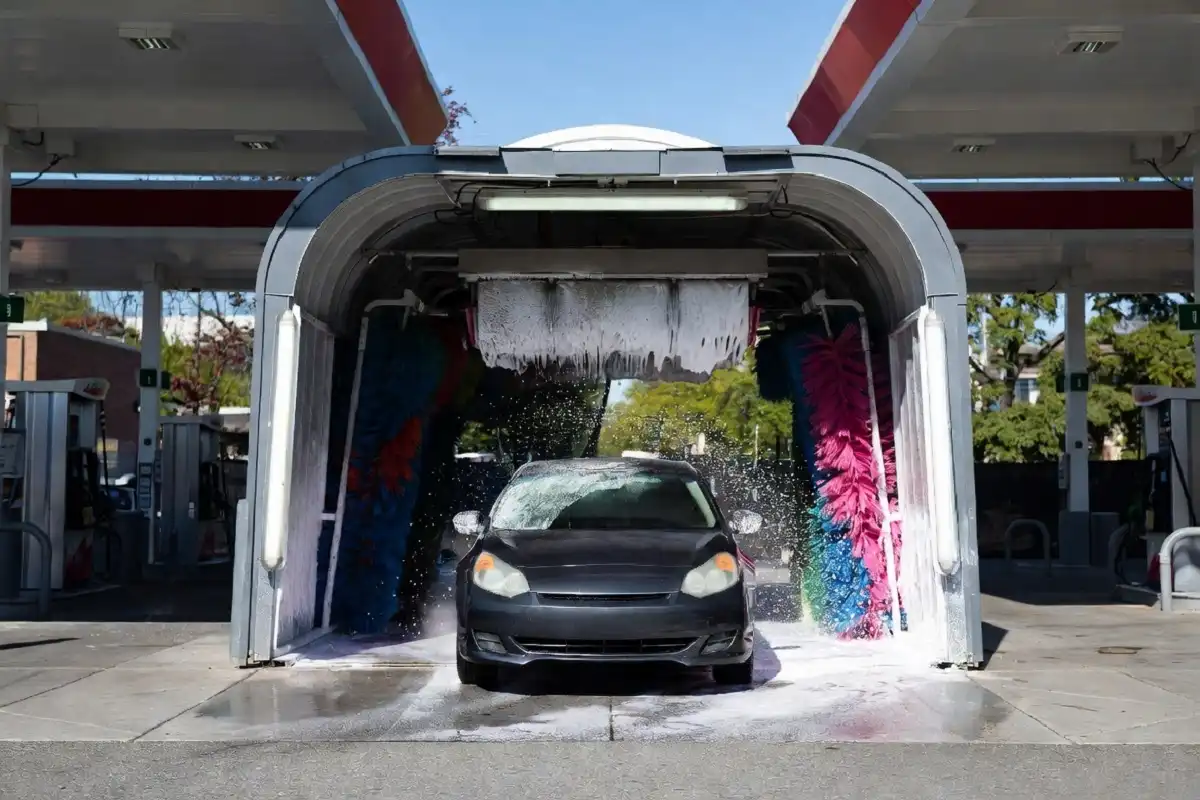
For a quicker stop, gas station car washes can handle light surface cleaning but typically do not replicate the thoroughness of a dedicated white water car wash process.
How Often Should You Do a White Water Car Wash?
Washing every one to two weeks keeps most vehicles in good condition. Cars exposed to salt roads in winter, heavy tree cover, or unpaved driving benefit from more frequent washing. Contaminants like salt, sap, and industrial fallout begin to affect paint within days if left unaddressed.
Between full washes, a quick-detail spray and wipe-down handles light dust and fingerprints without requiring a full setup. This keeps your car looking clean with minimal effort.
If budget is a concern, it is worth checking out free car wash options, which covers promotions and loyalty programs that can offset the regular cost of keeping your vehicle clean.
White Water Car Wash vs. Waterless Washing
Both methods have their place depending on your situation and how dirty your car is.
This method uses full water flow and physical washing to remove heavy contamination. It is the better choice when your vehicle has significant grime, mud, or road salt buildup. The rinse phases do most of the heavy lifting and reduce the risk of dragging contaminants across the paint.
Waterless washing uses a spray product to encapsulate and lift light dust, then wipe clean with a microfiber cloth. It is faster and uses no water, making it suitable for in-between touch-ups rather than a replacement for a thorough wash.
Understanding when to use each approach helps you care for your car more effectively without over-washing or under-cleaning. The do-it-yourself car wash complete home guide covers both methods in more depth and is a useful read for any driver handling their own car care.
Tips for Getting the Best Results
A few small adjustments make a real difference in the quality of your results.
- Wash in the shade or during cooler parts of the day to prevent soap drying on the paint
- Replace your wash mitt regularly as microfiber wears down and holds particles over time
- Use a separate bucket and mitt for the lower panels, which collect the most abrasive dirt
- Rinse your drying towels frequently so they stay clean through the drying stage
- Check the paint for tar spots or sap before washing and treat them with a dedicated remover
According to Consumer Reports, consistent exterior maintenance is one of the most cost-effective ways to preserve a vehicle’s value over its lifetime.
FAQ
What does a white water car wash do differently from a basic wash?
It prioritizes water volume and pressure at key stages, particularly during the pre-rinse and final rinse, to clear contaminants without relying on heavy scrubbing. This reduces the risk of paint damage and produces a cleaner, more thorough result than a quick soap-and-rinse approach.
Is a white water car wash safe for all paint types?
Yes, when done correctly it is safe for standard paint, matte finishes, and wrapped vehicles, though matte and wrap surfaces require specific shampoos and should never be waxed. Always check product labels before applying anything to specialty finishes.
Can I do a white water car wash with just a garden hose?
A garden hose with a good adjustable nozzle is enough for most vehicles. A pressure washer helps with stubborn grime and lower panel buildup, but it is not required for a thorough wash on a regularly maintained car.
How do I prevent water spots after washing?
Dry your vehicle immediately after the final rinse using clean microfiber towels. Sheet-flow rinsing before drying also helps by reducing the volume of water left on the surface. Avoid washing in direct sunlight, which accelerates drying and spot formation.
What shampoo works best for a white water car wash?
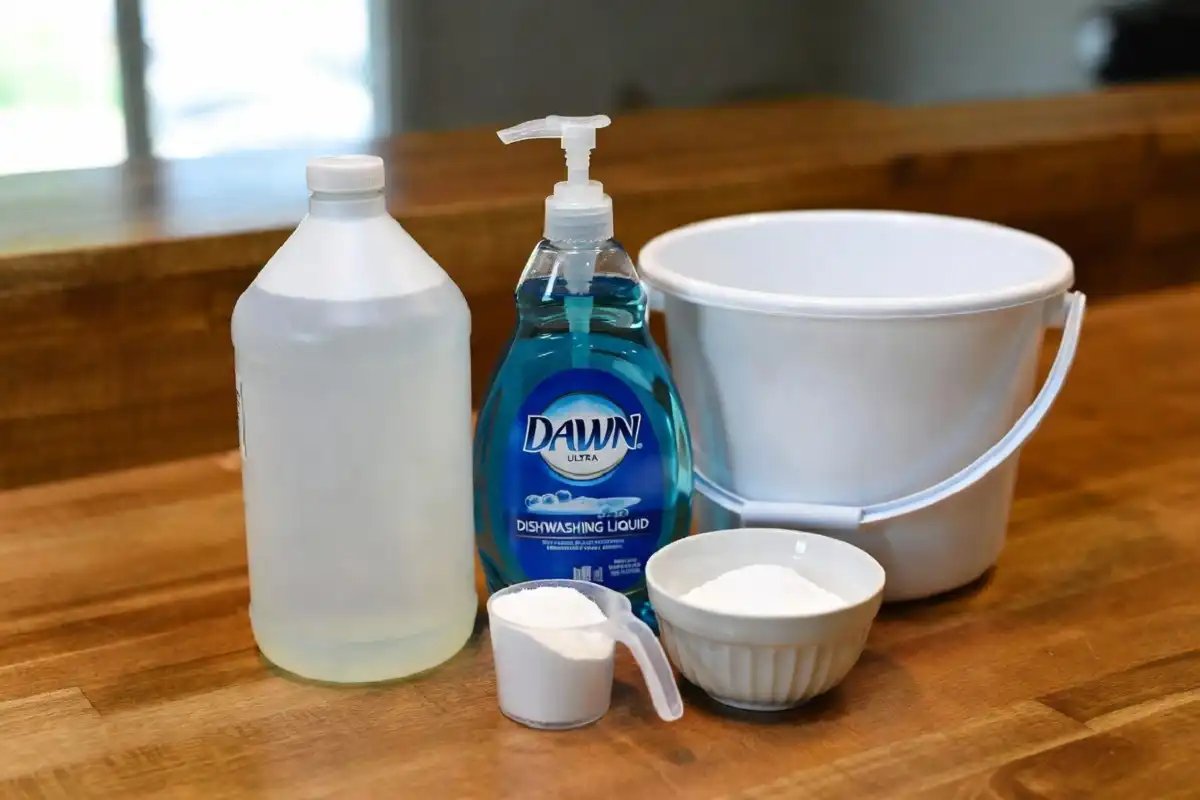
A pH-neutral car wash shampoo is the safest choice for most vehicles. It cleans effectively without stripping wax or sealant layers. Avoid dish soap or household cleaners, which are too harsh for automotive paint.
How long does a full white water car wash take at home?
Most vehicles take between 45 minutes and 75 minutes when following the full process, including wheels, a two-bucket body wash, rinse, and dry. Larger vehicles or heavier contamination may take closer to 90 minutes.
Conclusion
A white water car wash delivers a thorough, paint-safe clean when done with the right tools and technique. Whether you are washing at home or choosing a professional facility, the process is straightforward and the results speak for themselves. A well-maintained exterior protects your investment, keeps your vehicle looking sharp, and makes future washes easier.