A gas station car wash is one of the quickest ways to clean your vehicle without much effort. You pull in, pay, and drive through in a matter of minutes. But are these drive-through machines actually doing your car any good, or are you better off with other options? This guide covers how gas station car washes work, what they cost, the honest pros and cons, and tips to help you get the most out of every wash cycle.
How Does a Gas Station Car Wash Work?
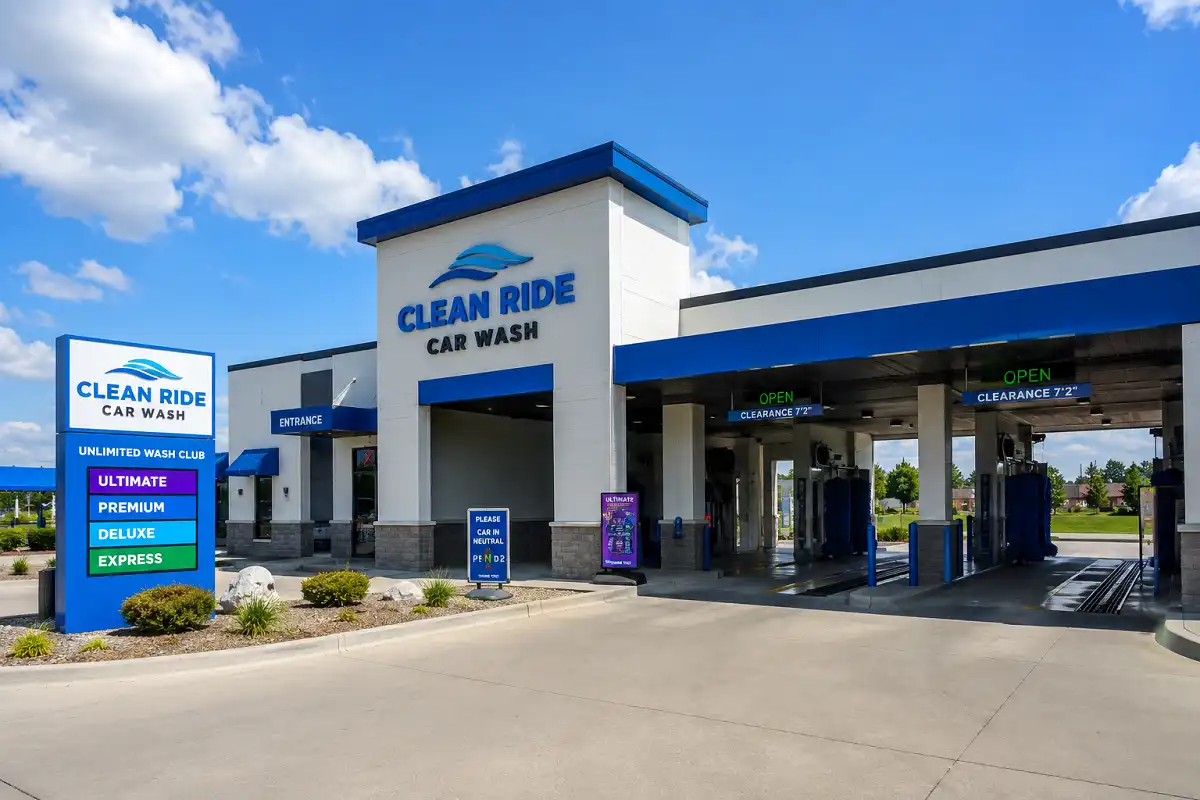
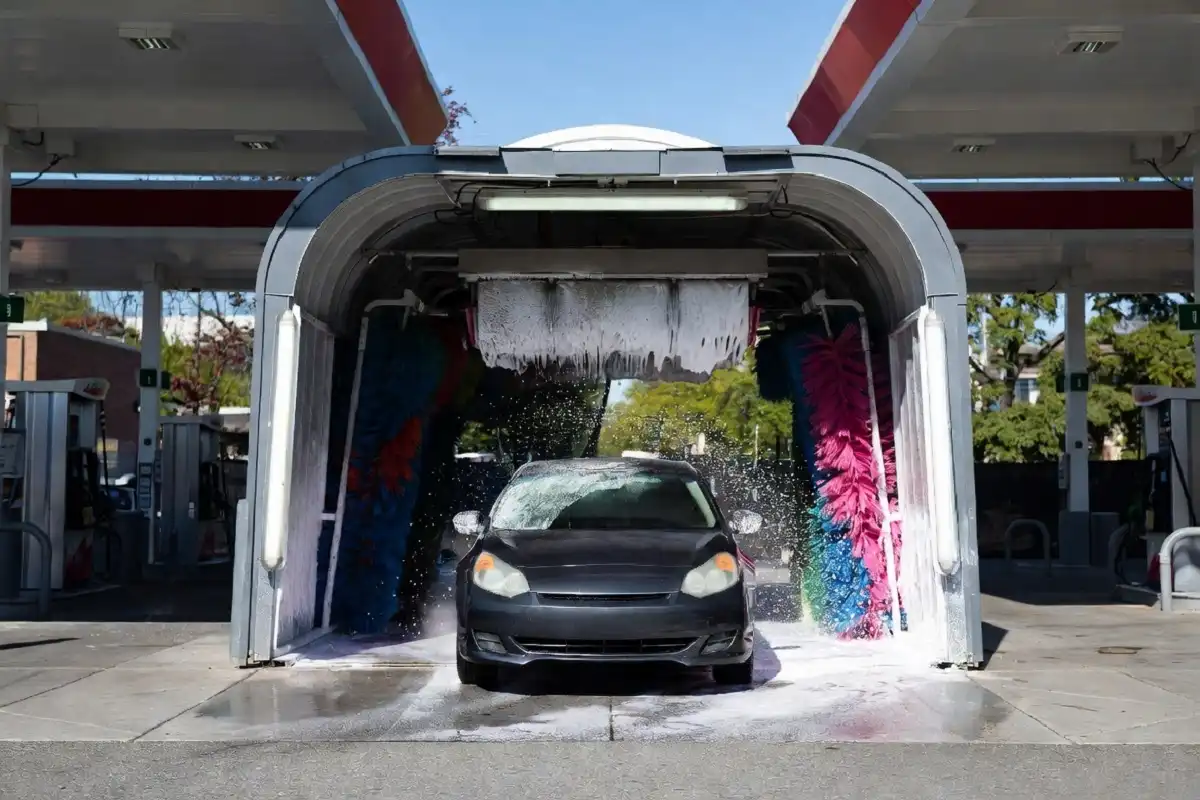
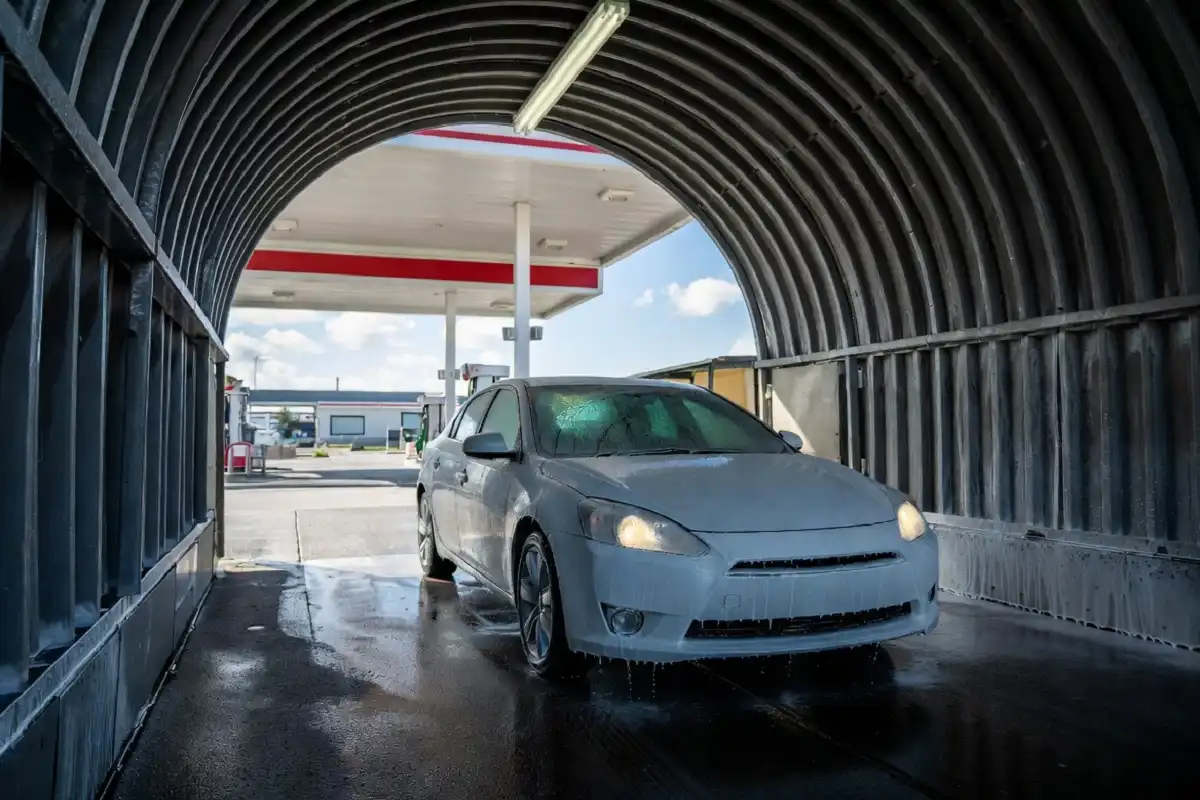
A gas station car wash uses automated equipment to clean the outside of your vehicle without you leaving the driver’s seat. Once you pay at the kiosk or inside the station, you drive into the wash bay, put the car in neutral, and let the system do the work.
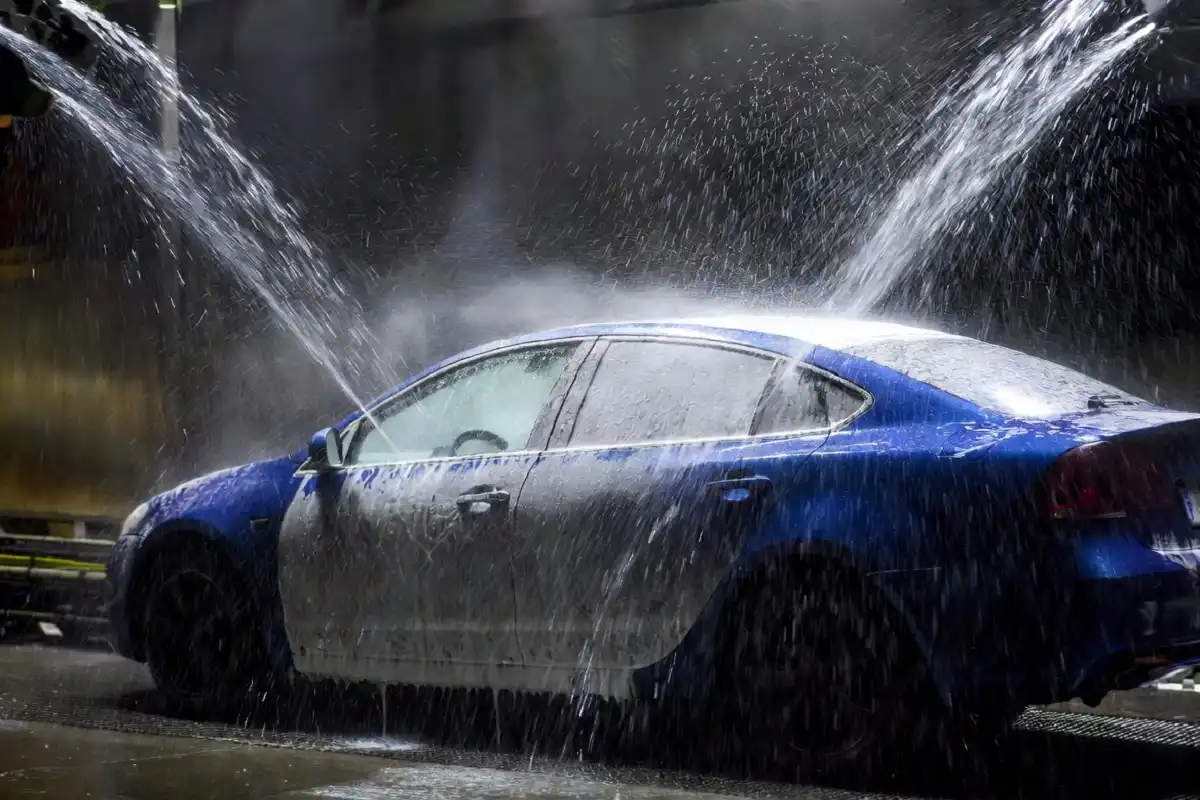
Most drive-through setups use a combination of high-pressure water jets, rotating soft-cloth brushes or touchless sensors, foam soap, rinse cycles, and a hot air dryer at the exit. The entire process usually takes between three and seven minutes depending on the package you select.
Understanding how an express car wash works can help you know what to expect before you pull in for the first time.
Types of Gas Station Car Wash Systems
Not every gas station car wash uses the same setup. There are two main types you will encounter:
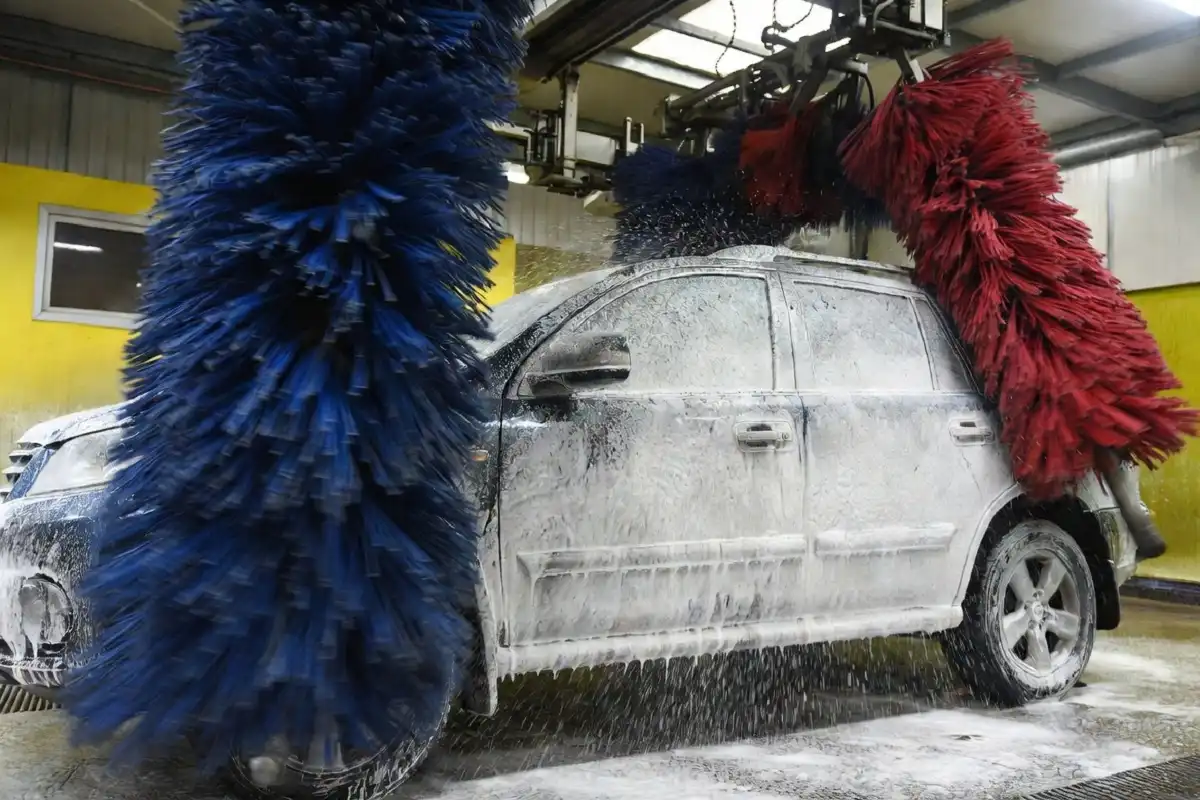
Soft-touch systems use large rotating cloth brushes or foam strips to physically scrub the surface of your vehicle. These tend to do a more thorough job on heavy grime and mud but carry a small risk of minor surface scratches over time if the brushes are not properly maintained.
Touchless systems rely entirely on high-pressure water and chemical solutions without any physical contact with the vehicle. They are gentler on paint but may leave behind some dirt in textured areas or stubborn stains.
Some stations offer a hybrid of both, giving you the benefits of physical scrubbing with reduced contact pressure.
What Does a Gas Station Car Wash Cost?
Prices vary depending on your location, the station brand, and the package level you choose. Most basic washes start at a low price point and go up from there based on added features.
A standard exterior wash typically covers the basics: soap, rinse, and air dry. Mid-tier packages often add undercarriage rinse, wheel cleaning, and tire shine. Premium packages may include a protective wax coating, spot-free rinse, or clear coat treatment.
Many gas stations also offer wash club memberships or loyalty programs that bundle washes with fuel purchases, making frequent visits more affordable. If you fill up regularly at the same station, it is worth asking about any bundled deals at the register.
Typical Package Tiers at a Glance
- Basic wash – Soap, rinse, and air dry
- Standard wash – Adds undercarriage rinse and wheel cleaning
- Premium wash – Adds wax coating, tire shine, and spot-free rinse
- Membership plans – Unlimited monthly washes at a flat rate
The Pros of Using a Gas Station Car Wash
There are genuine reasons why millions of drivers use these services every week. Convenience is the biggest draw. You are already stopping for fuel, so adding a wash takes only a few extra minutes and no extra trip across town.
Speed is another real advantage. Unlike a hand wash or a dedicated full-service facility, the automated system moves quickly. If you are short on time between errands or on a lunch break, a drive-through wash fits neatly into a tight schedule.
Cost is often lower than what you would pay at a standalone professional detailing shop. For routine maintenance cleaning, a gas station car wash gets the job done without spending a lot.
Finally, these washes are consistent. The machine runs the same program every time, which means you are not relying on the variable quality of a hand-wash job.
The Cons Worth Knowing Before You Go
Gas station car washes do have some real limitations. The equipment does not always reach every part of the vehicle equally. Bugs on the front bumper, bird droppings baked into paint, and road tar may survive a standard wash cycle untouched.
Soft-touch systems can gradually cause fine scratches known as swirl marks on your paint, especially if the brushes are not cleaned regularly between vehicles. This is a minor concern for most drivers but worth noting if you drive a newer or high-gloss finish vehicle.
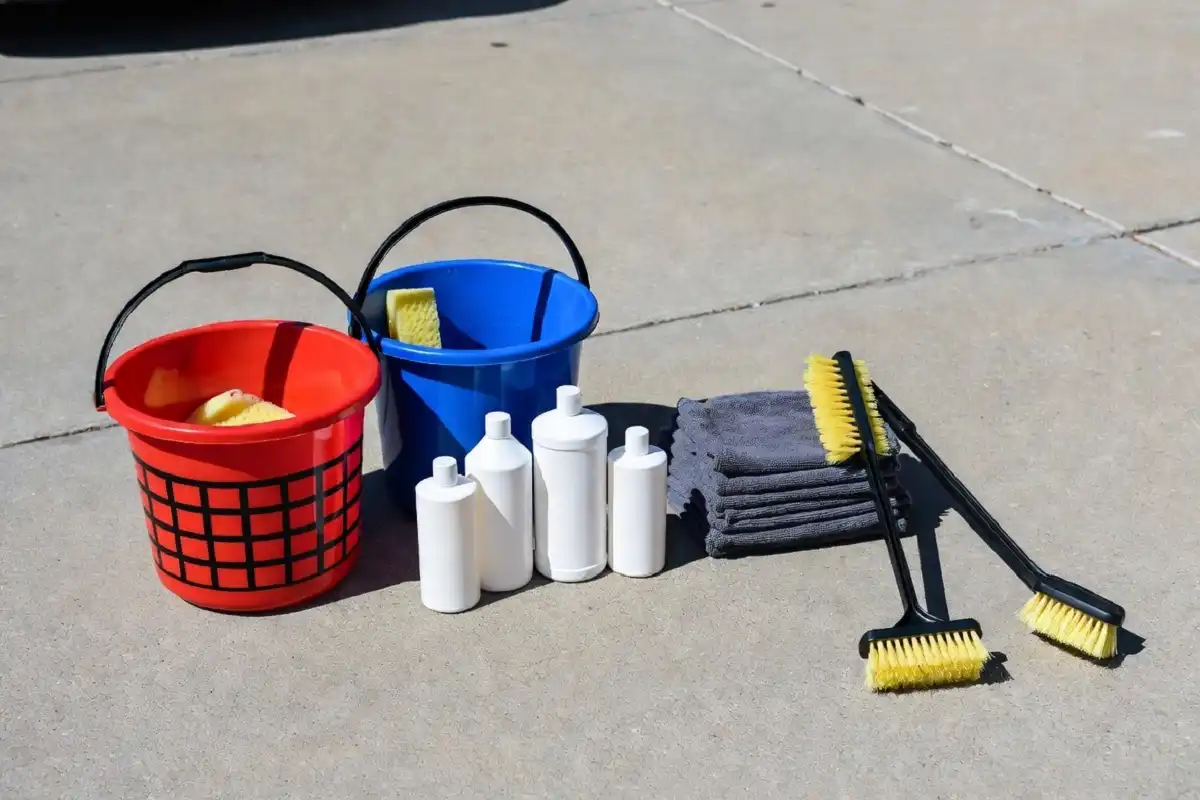
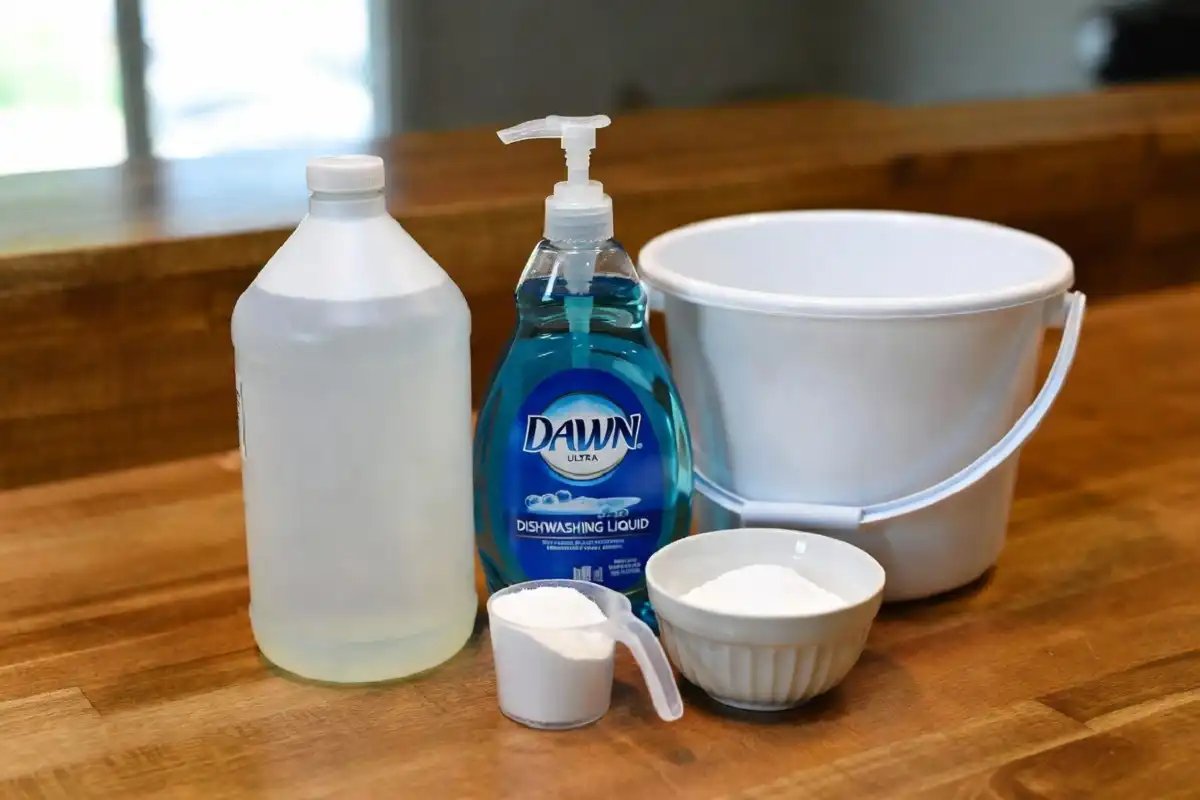
Interior cleaning is not included. You are getting an exterior wash only. If your cabin needs attention, you will need to handle that separately or visit a full-service provider. Resources like this car wash kit guide can help you put together the right tools for a thorough interior clean at home.
Antenna damage and loose trim pieces are also a common concern. Always retract your antenna before entering and check that any accessories on the roof or sides are secured.
Is a Gas Station Car Wash Safe for Your Vehicle?
For most vehicles and most situations, yes. A gas station car wash is safe for regular use as long as you take a few simple precautions. Close all windows and sunroofs fully before entering. Fold in your side mirrors if they are manually adjustable. Remove any bike racks, roof cargo boxes, or antenna extensions that could catch on the equipment.
Avoid entering a soft-touch wash if your vehicle has a fresh paint job within the last 30 days, as new paint needs time to fully cure before exposure to brush friction and high-pressure water.
According to the International Carwash Association, modern professional car wash facilities are designed to protect vehicle finishes, and the industry continues to improve brush materials and water reclamation technology.
If your vehicle has specific sensitivities, such as aftermarket vinyl wraps, custom paint, or fragile roof accessories, a touchless system or a waterless alternative may be a better fit for your situation.
How to Get Better Results from a Gas Station Car Wash
A few small habits can noticeably improve what you get out of each wash. First, choose your timing wisely. Visiting early in the morning or on a weekday tends to mean cleaner equipment and shorter wait times than a busy Saturday afternoon rush.
Pre-rinsing heavily soiled areas at the free vacuum or rinse station before entering the wash bay can also help the machine do a better job on stubborn grime.
After the wash, do a quick walkover of your vehicle in natural light. Check that mirrors, trim, and any accessories are intact. If the result is not satisfactory, most stations have an attendant on duty who can help resolve the issue.
Simple Steps for a Better Wash Experience
- Retract or remove the antenna before pulling in
- Close all windows, sunroofs, and vents fully
- Fold in mirrors if they are manual
- Remove any roof attachments or accessories
- Choose the right package for your level of dirt
- Check the vehicle over after exiting the dryer
Gas Station Car Wash vs. Other Wash Options
A gas station car wash sits in the middle of the car care spectrum. It is faster and cheaper than a full-service detail, but it is not as thorough as a hand wash or a professional facility.
For drivers who want a deeper clean or a more personalized experience, standalone facilities like those covered in this Mr. Car Wash overview offer more comprehensive service packages including interior vacuuming, hand drying, and protective treatments.
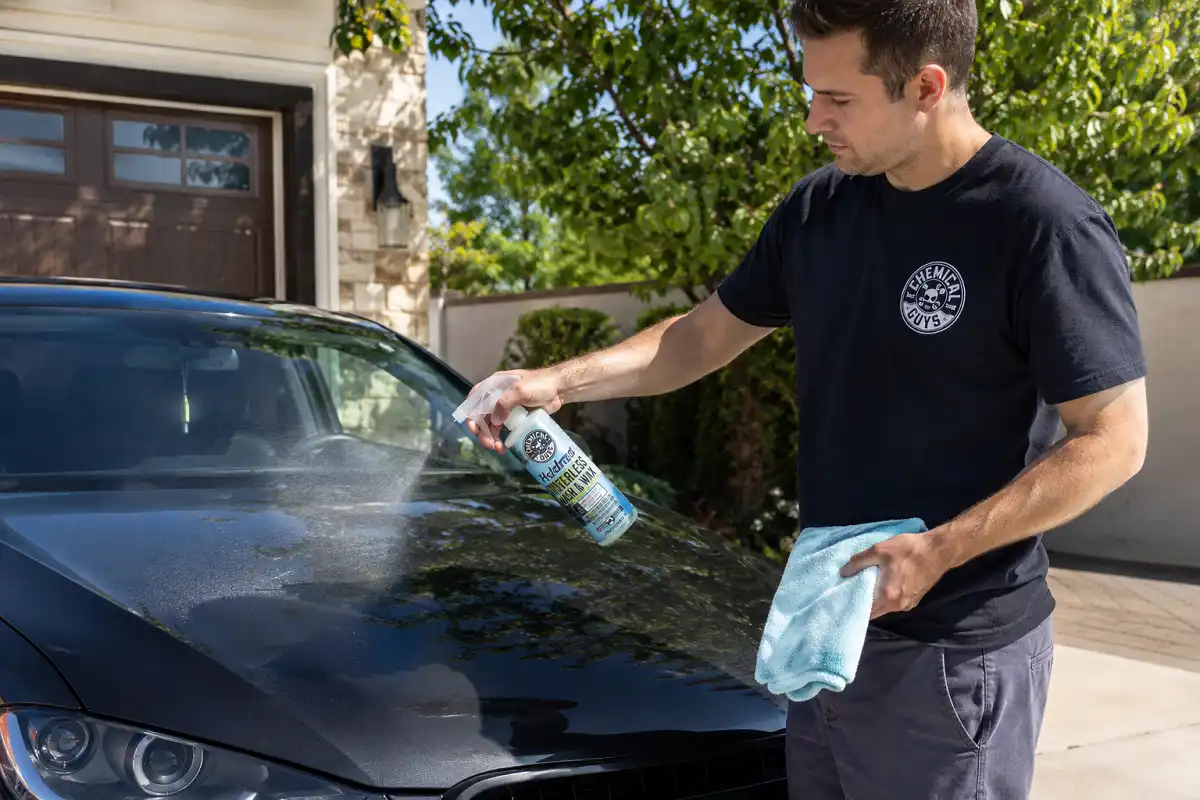
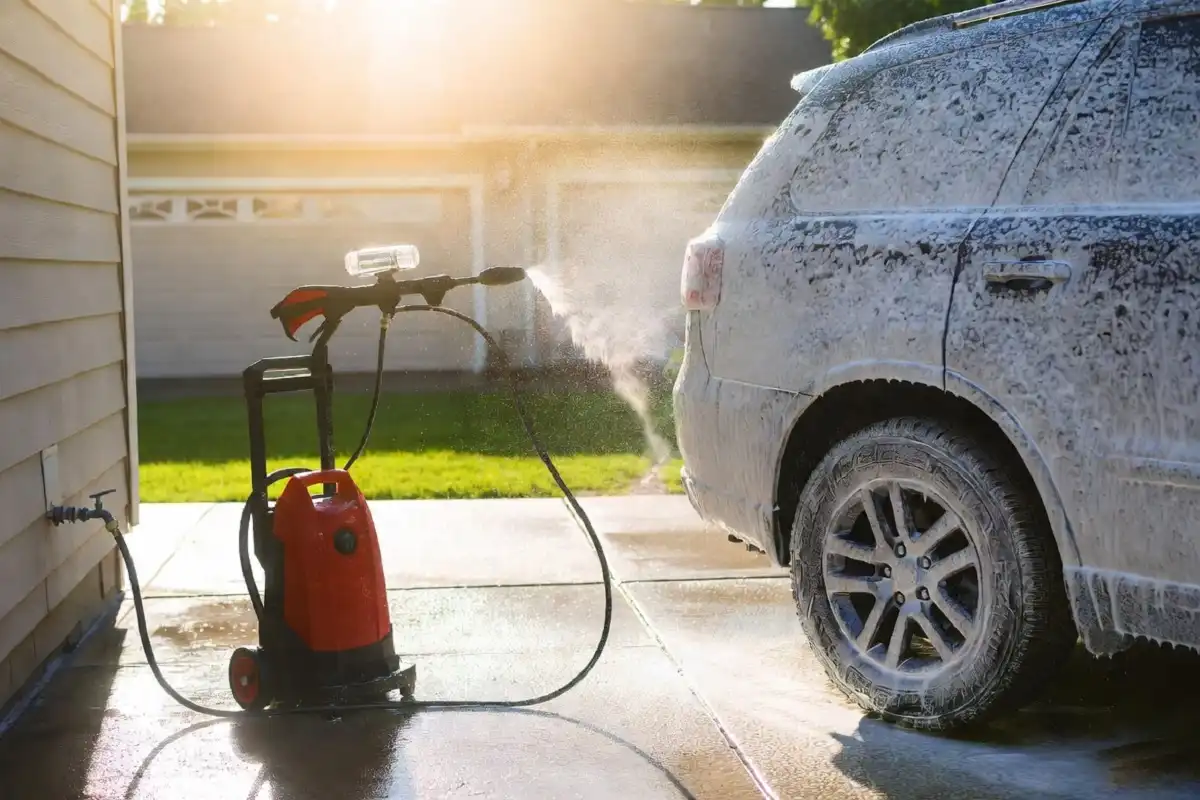
For those who prefer to avoid automated systems entirely, home washing with quality tools is always an option. And for situations where water access is limited, a waterless car wash approach is worth exploring.
According to Consumer Reports, touchless automatic car washes tend to be the safest option for preserving vehicle paint long-term, particularly when used consistently rather than infrequently.
FAQ Section
Is a gas station car wash good for your car?
Yes, for most vehicles it is a perfectly safe and practical option for regular maintenance cleaning. Taking basic precautions like closing windows and removing accessories keeps the risk minimal.
How often should you use a gas station car wash?
Using one every two to four weeks is reasonable for most drivers. If you park outside regularly, live near the coast, or drive on salted roads in winter, washing more frequently helps protect the paint and undercarriage.
Can a gas station car wash scratch your paint?
Soft-touch brush systems can cause minor surface scratches over time, especially if the brushes are worn or dirty. Touchless systems eliminate this risk but may not remove all contaminants. Choosing a well-maintained facility reduces the chance of any paint damage.
Do gas station car washes clean the inside of the car?
No, automated wash tunnels only clean the exterior of the vehicle. For interior cleaning, you will need to use the vacuum stations available at most locations or handle it yourself at home.
What should I do before entering a gas station car wash?
Close all windows and the sunroof, retract or remove the antenna, fold in any manual mirrors, and remove roof racks or cargo carriers. Put the vehicle in neutral when prompted and keep your foot off the brakes.
Are gas station car wash memberships worth it?
For drivers who wash their car frequently, a monthly membership plan can offer real savings. If you visit the same station regularly and wash at least two to three times a month, a flat-rate plan usually pays for itself quickly.
Conclusion
A gas station car wash is a smart, time-saving choice for keeping your vehicle clean without much effort or expense. It is not a replacement for a deep detail or a careful hand wash, but it handles regular maintenance cleaning well and fits easily into a busy schedule.