Keeping your car clean is about more than looks. Regular washing protects your paint, removes harmful contaminants, and helps your vehicle hold its value over time. But with so many options available, finding the best car wash method for your needs can feel overwhelming. Whether you prefer a professional service, a drive-through automatic, or a hands-on home wash, this guide covers everything you need to make the right choice. Read on to find simple, practical tips that work for any budget or schedule.
Why the Right Car Wash Method Matters
Not all car washes are created equal. The method you choose directly affects how clean your car gets, how long that clean lasts, and whether your paint stays protected or gets scratched over time.
Using the wrong technique, like running through an old brush-style automatic wash repeatedly, can create fine swirl marks in your paint. On the other hand, a proper hand wash using the two-bucket method can leave your car looking showroom-fresh without causing any damage.
Understanding your options helps you make a smarter choice every single time you need to clean your car.
Types of Car Washes Explained
There are several main best car wash types available today. Each one has its own benefits and trade-offs depending on your time, budget, and how much care you want to give your vehicle.
Hand Washing: The Gold Standard
Hand washing is widely considered the safest and most thorough best car wash option available. When done correctly, it removes dirt without scratching the surface and lets you pay close attention to every panel, wheel, and crevice.
The two-bucket method is the most recommended approach. One bucket holds your soapy wash water, and the other holds clean rinse water. You dip your microfiber wash mitt into the soapy bucket, wash a section of the car, then rinse the mitt in the clean bucket before going back for more soap. This keeps dirt from being dragged back across the paint.

Hand washing takes more time than other methods, but the results are hard to beat. It is especially useful for vehicles with fresh paint, ceramic coatings, or high-end finishes that need extra care.
Automatic Car Washes
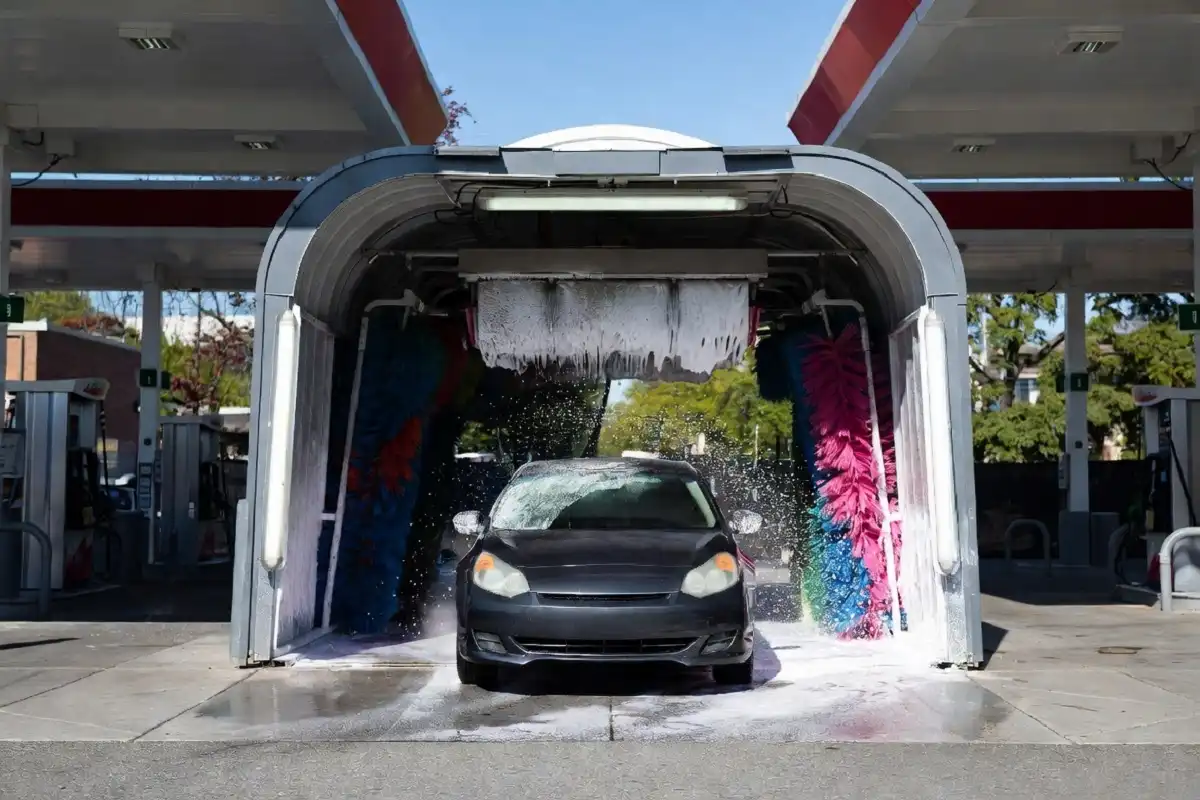
Automatic car washes are fast, convenient, and widely available. You simply drive in, pay, and the machine does the work. There are two main types to know about:

- Soft-touch washes use foam brushes or cloth strips to scrub the car. These can be effective but may cause light scratching over time if the brushes are not well maintained.
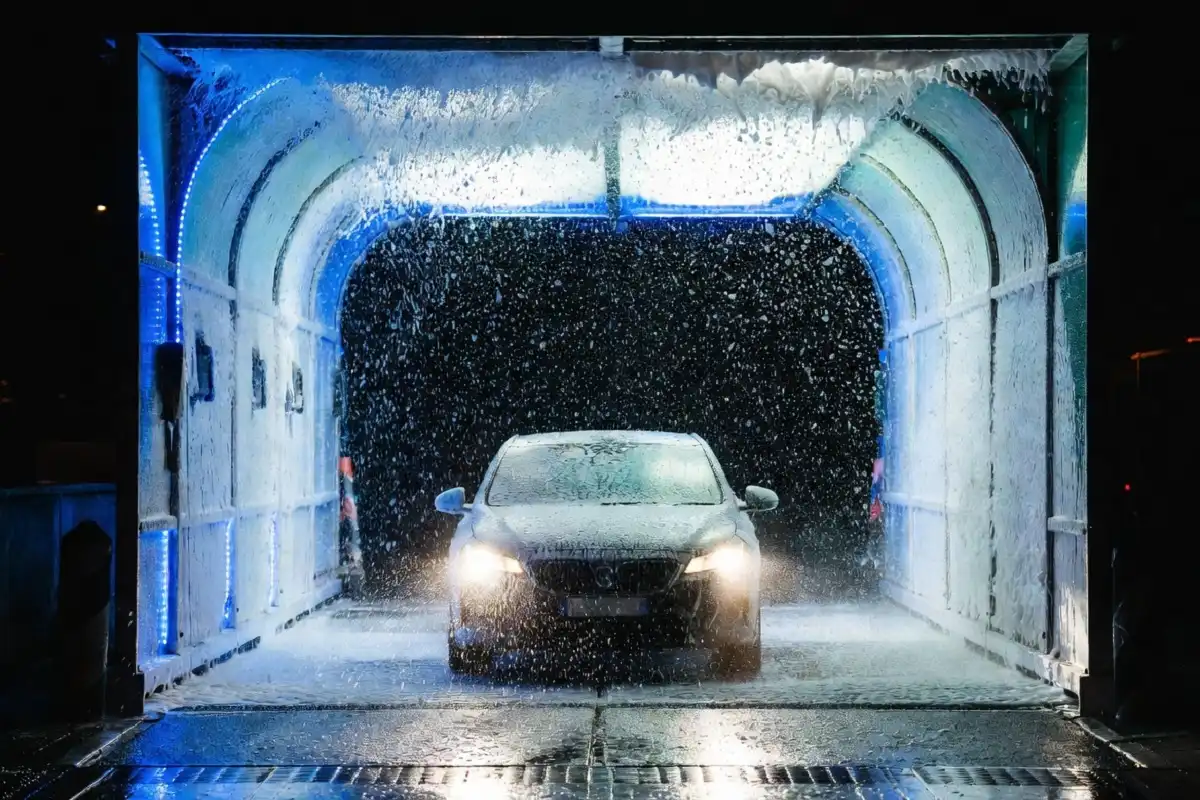
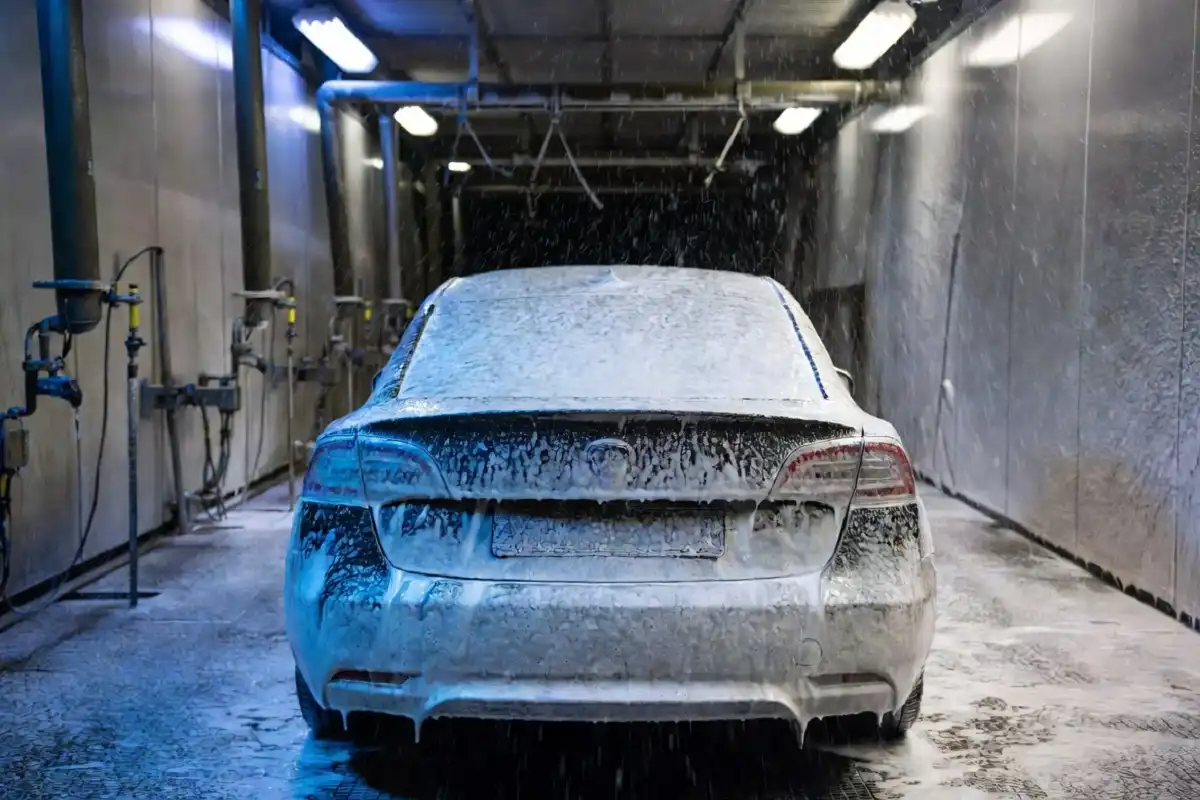
- Touch-free washes use high-pressure water jets and strong chemical solutions to loosen and rinse away dirt. They are gentler on the paint but may not remove heavy grime as effectively.
For those who want speed without much effort, a touch-free car wash is a solid option that keeps your paint safe while still delivering a decent clean.
Self-Service Car Washes
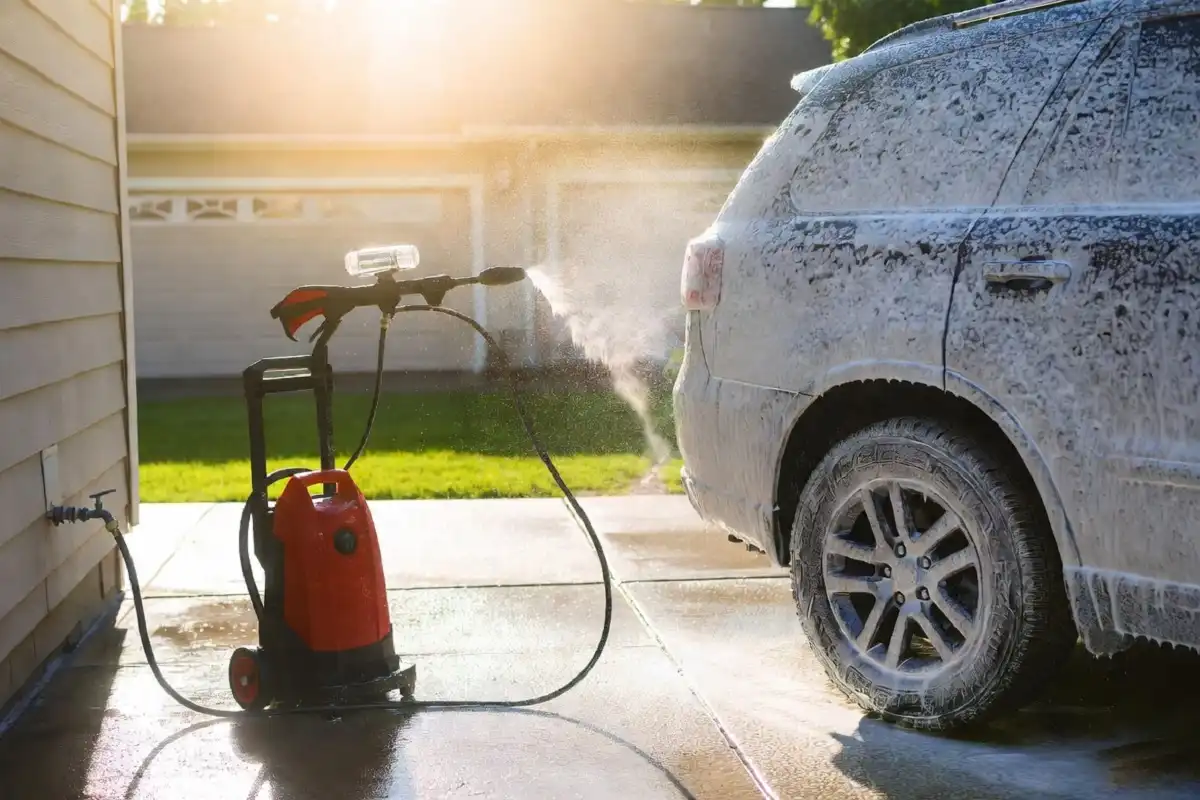
Self-service bays give you access to professional-grade equipment, making them a genuine best car wash choice for people who want control without hauling equipment at home. These include high-pressure wands, foaming brushes, and rinse cycles while you do the washing yourself.
They work well for people who want more control than an automatic wash offers but do not have the space or equipment for a proper home wash.
Professional Detailing
A full professional detail goes far beyond a standard wash. Detailers clean the interior and exterior thoroughly, apply protective coatings, and address issues like water spots, light scratches, and oxidation. It is the most expensive option but delivers the deepest clean available.
Most car owners benefit from getting a professional detail once or twice a year, combined with more frequent regular washes in between.
How to Choose the Best Car Wash for Your Car
The right choice depends on a few key factors.
Your vehicle’s paint condition: Newer cars or freshly detailed vehicles benefit most from hand washing or touch-free options. Older vehicles with tougher paint can usually handle soft-touch automatics without issue.
How often you wash: If you wash weekly, hand washing or self-service is worth the effort. For less frequent washes, a professional service or automatic can be perfectly fine.
Your local environment: Cars in areas with heavy road salt, industrial fallout, or bird activity need more frequent washing. In those cases, a reliable local service that you trust makes a big difference.
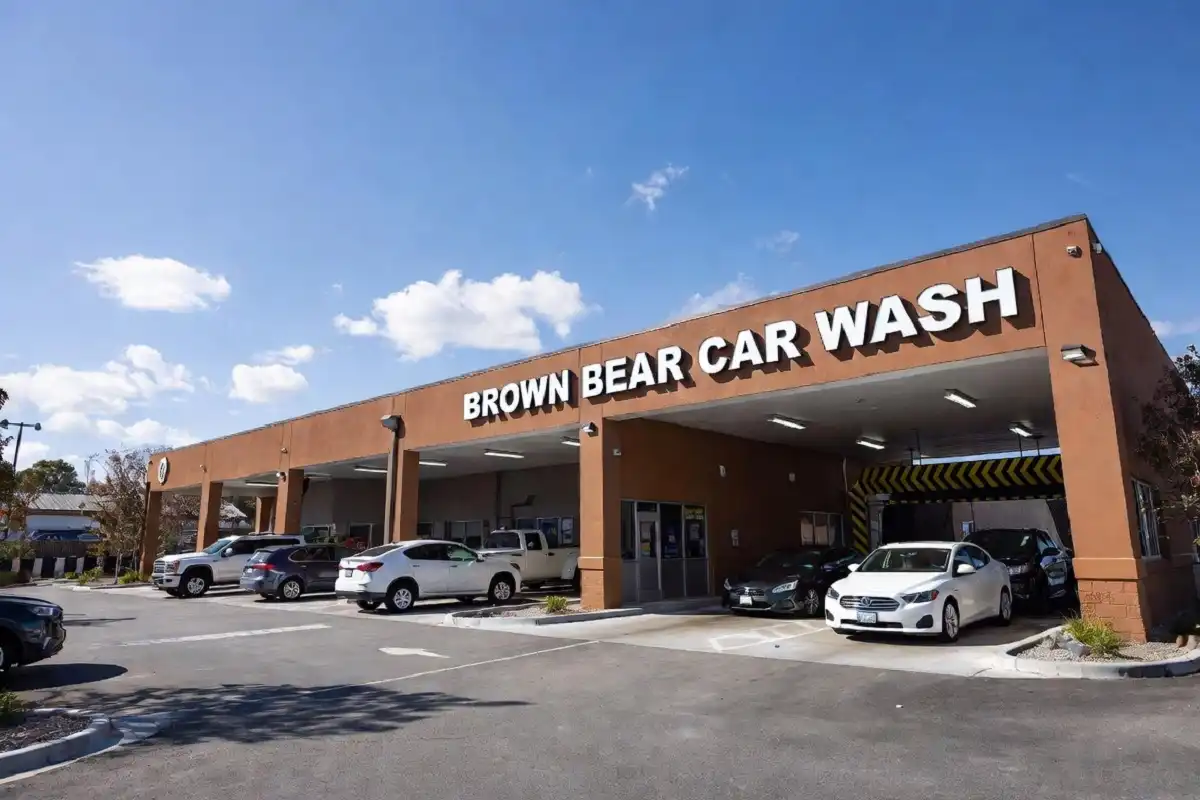
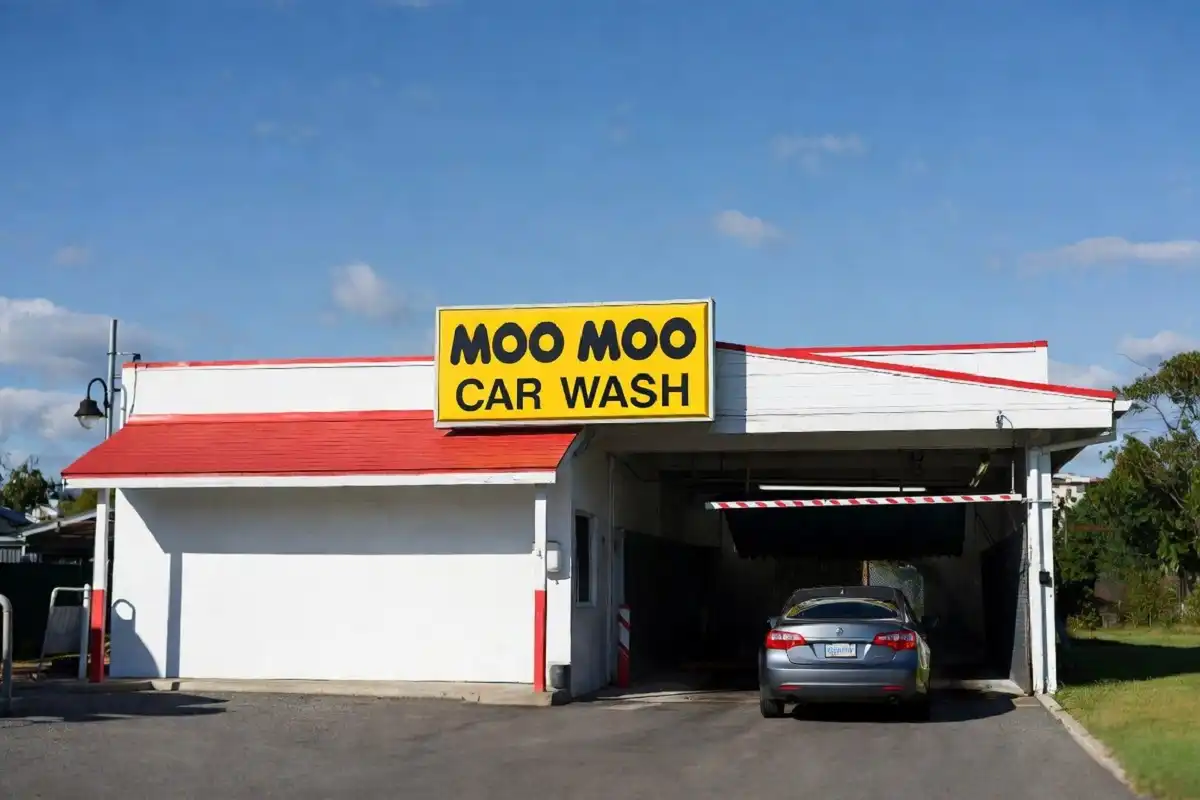
Regional chains can offer great value with consistent quality. Services like Moo Moo Car Wash and Brown Bear Car Wash are popular examples of chains that offer multiple wash tiers, membership programs, and added extras like tire shine and spot-free rinses.
Best Car Wash Products to Use at Home
If you choose to wash at home, the products you use matter just as much as your technique.
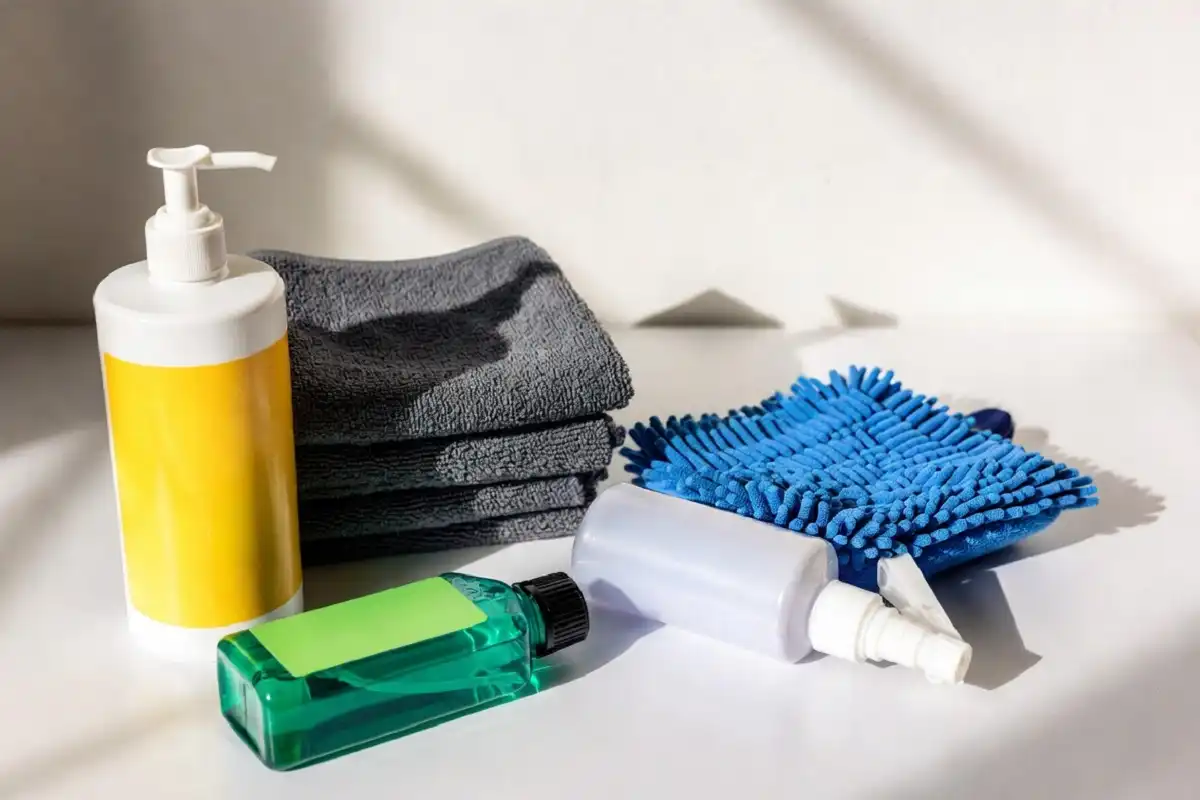
Here are the core items you need for a great home wash:
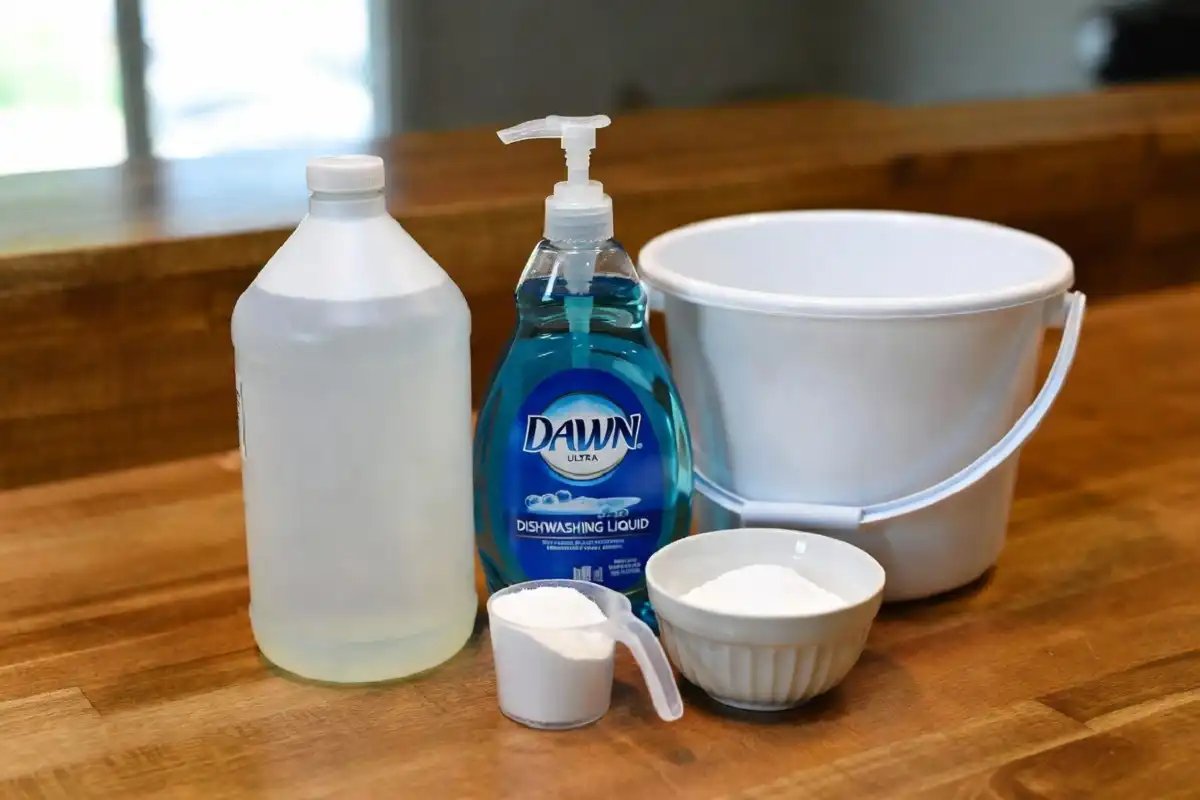
- pH-balanced car wash soap: Never use dish soap. It strips protective wax and sealants. A dedicated best car wash shampoo cleans safely and gently.
- Two buckets: As mentioned above, one for soap and one for rinsing your mitt.
- Microfiber wash mitt: Much softer than sponges and less likely to trap dirt against the paint.
- Microfiber drying towels: These absorb water quickly and reduce the chance of water spots or scratches during drying.
- Wheel cleaner: Brake dust is harsh and requires a dedicated wheel cleaning product to remove properly.
- Detailing spray or quick wax: Apply after drying for a light layer of protection between full wax applications.
According to Consumer Reports, choosing the right best car wash soap and technique is one of the most effective ways to protect your vehicle’s exterior finish over the long term.
Tips to Get the Best Results Every Time
Getting a great result is not just about the method. These practical tips apply to nearly every type of best car wash:
- Wash your car in the shade or on a cooler day. Direct sunlight dries soap and water too quickly, leaving water spots and soap residue on the paint.
- Rinse the car thoroughly before washing to remove loose dirt and reduce the risk of scratching.
- Clean the wheels first before moving to the body panels. Wheel cleaner and brake dust can splash onto clean paint if you do the wheels last.
- Work from the top of the car down. Roof first, then windows, hood, trunk, doors, and finally the lower panels, which collect the most dirt.
- Always dry the car after washing. Air drying leaves mineral deposits from water droplets, which create water spots over time.
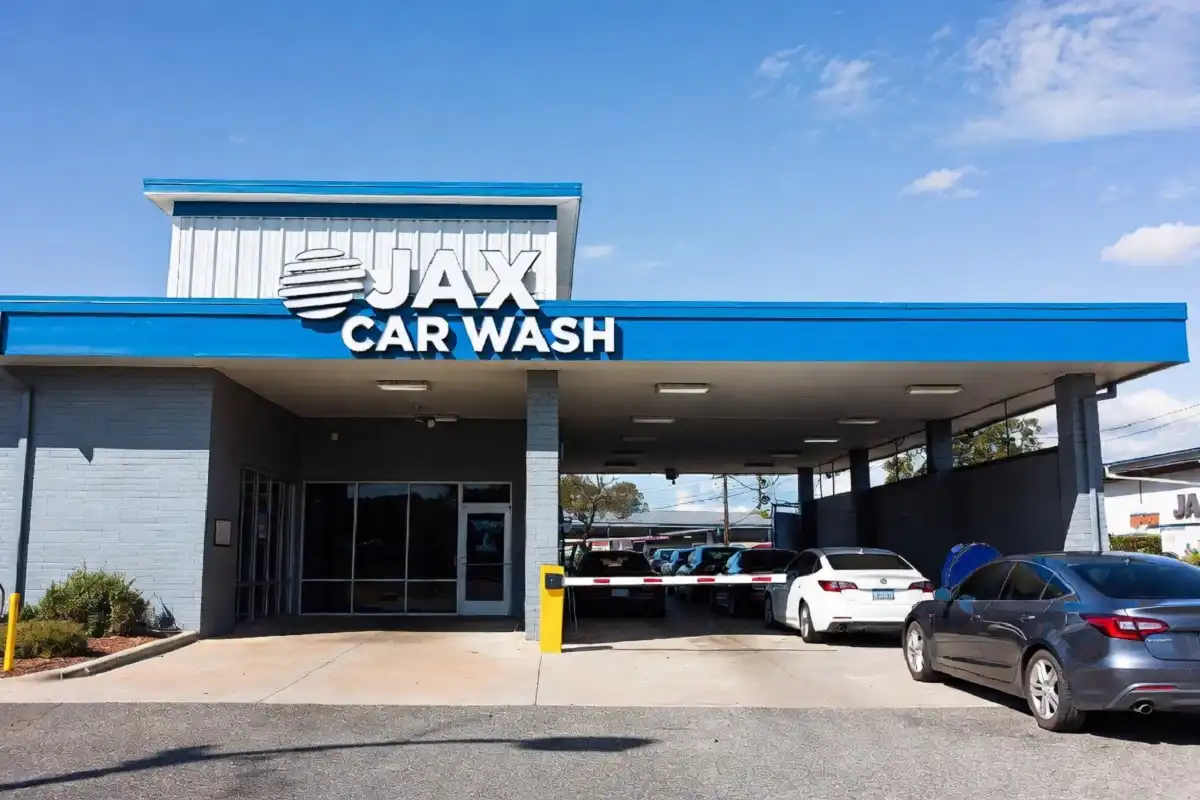
For those visiting a chain service, knowing the options in advance helps. Checking out resources on services like Jax Car Wash or Whitewater Car Wash can help you pick the right wash package for your needs and avoid overpaying for extras you do not need.
How Often Should You Wash Your Car?
Most experts recommend a best car wash session every two weeks as a general baseline. However, how often you actually need to wash depends on your environment and driving habits.
If you live in a coastal area with salt air, park under trees with sap or heavy bird activity, or drive on roads treated with salt in winter, washing more frequently, closer to once a week, helps prevent long-term paint damage. According to the International Carwash Association, regular washing is one of the simplest ways to extend the life of your vehicle’s exterior.
If your car sits in a garage and rarely gets exposed to harsh elements, washing once a month may be enough to keep it in great shape.
FAQs
What is the best car wash method for protecting paint?
Hand washing with the two-bucket method and a microfiber mitt is the safest way to protect your paint. It minimizes the chance of scratches and lets you control the pressure and products used on the surface.
Is it okay to use dish soap to wash a car?
Dish soap is not recommended for washing cars. It is too harsh and strips away protective wax, sealants, and even ceramic coatings. Always use a soap specifically made for automotive use.
How often should I wax my car after washing?
Waxing every three to four months is a common recommendation for most vehicles. If you use a spray wax or detailing spray after each wash, you can extend the time between full wax applications.
Are touchless car washes safe for all vehicles?
Touch-free washes are generally considered the best car wash option for vehicles with fresh paint, wraps, or ceramic coatings. They avoid physical contact, which reduces the risk of scratching, though they may not remove heavy dirt as effectively as a hand wash.
What is the best time of day to wash a car?
Early morning or late afternoon is ideal. Washing in direct midday sun causes soap and water to dry too quickly, which leads to water spots and streaking on the finish.
Can I wash my car too often?
Washing too often is rarely a problem if you use proper technique and gentle products. The real risk comes from using harsh soaps, dirty tools, or aggressive scrubbing, not from washing frequency itself.
Conclusion
Finding the best car wash approach comes down to knowing your vehicle, your budget, and how much time you want to invest. Whether you opt for a home hand wash, a trusted local chain, or an occasional professional detail, consistency matters most. Regular washing keeps contaminants off your paint, preserves your car’s value, and keeps it looking its best for years to come. Start with the right method, use the right products, and your car will thank you every time.