A touch free car wash is one of the most convenient ways to clean your vehicle without worrying about scratches or swirl marks. Instead of brushes or cloth strips, it relies on high-pressure water jets and specially formulated detergents to lift and remove dirt. For car owners who care about their paint, this method offers a safer alternative to traditional automatic washes. This guide covers how it works, what benefits you can expect, what the limitations are, and tips to help you get the best clean every time.
What Is a Touch Free Car Wash?
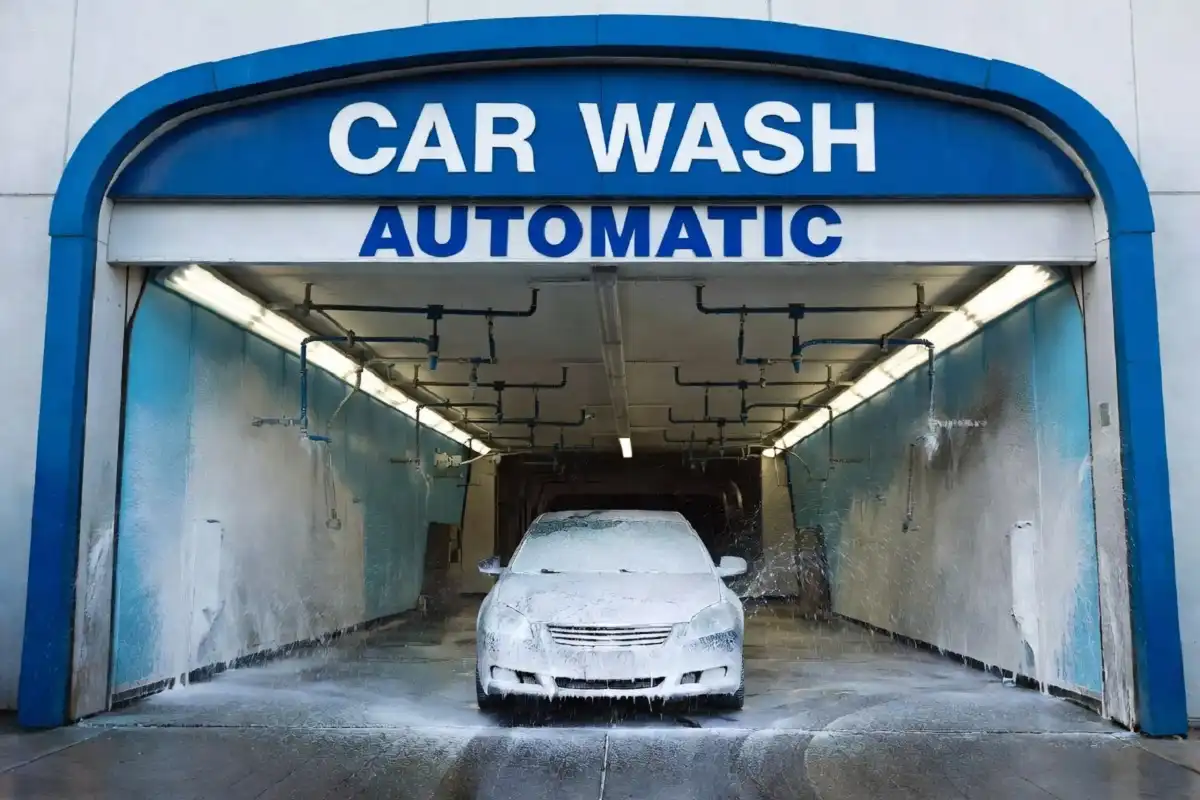
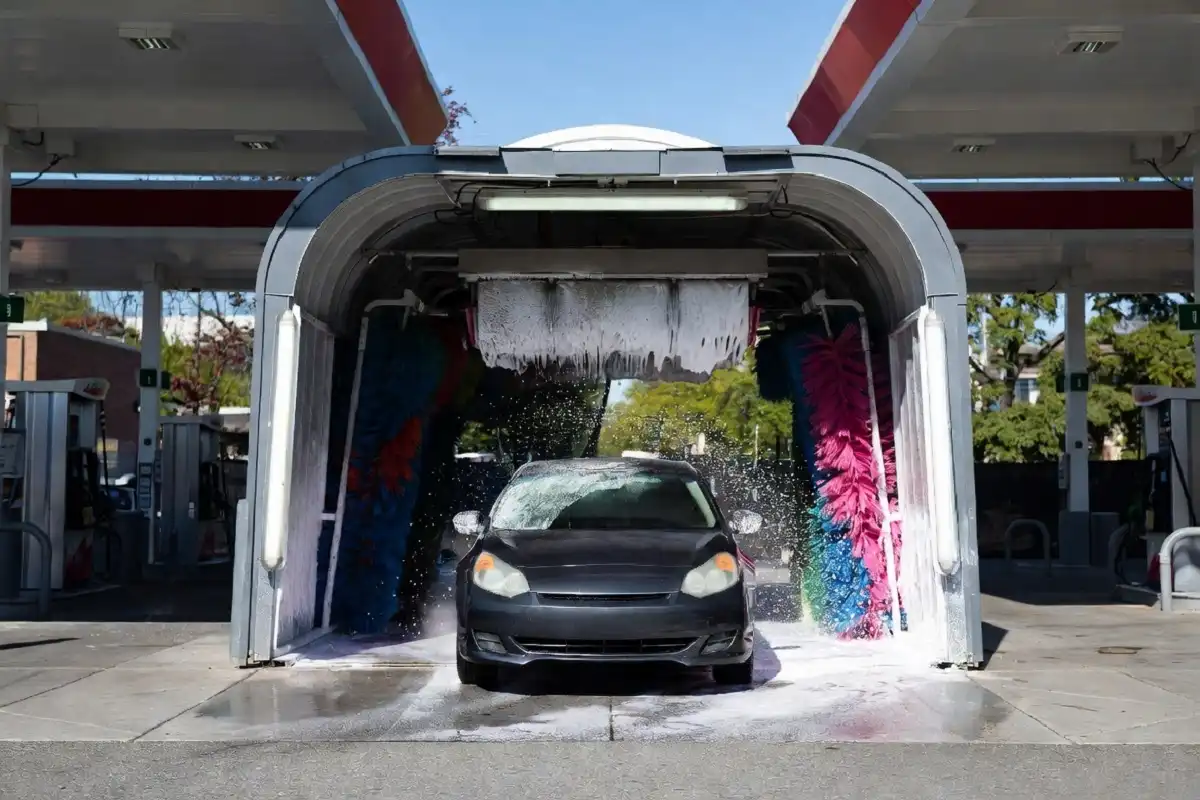
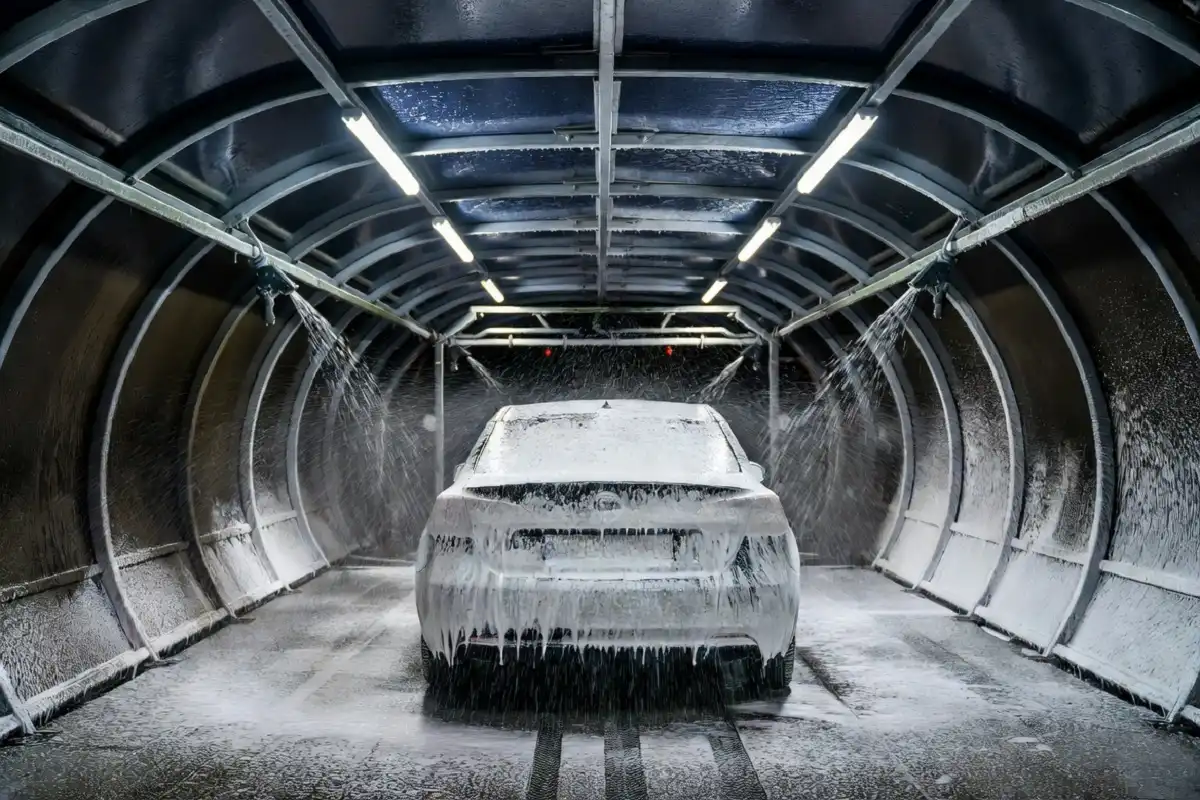
A touch free car wash, sometimes called a touchless or contactless car wash, is an automated system that cleans your vehicle using only water pressure and chemical detergents. There are no spinning brushes, no cloth strips, and no physical contact with the car’s surface at any point in the wash cycle.
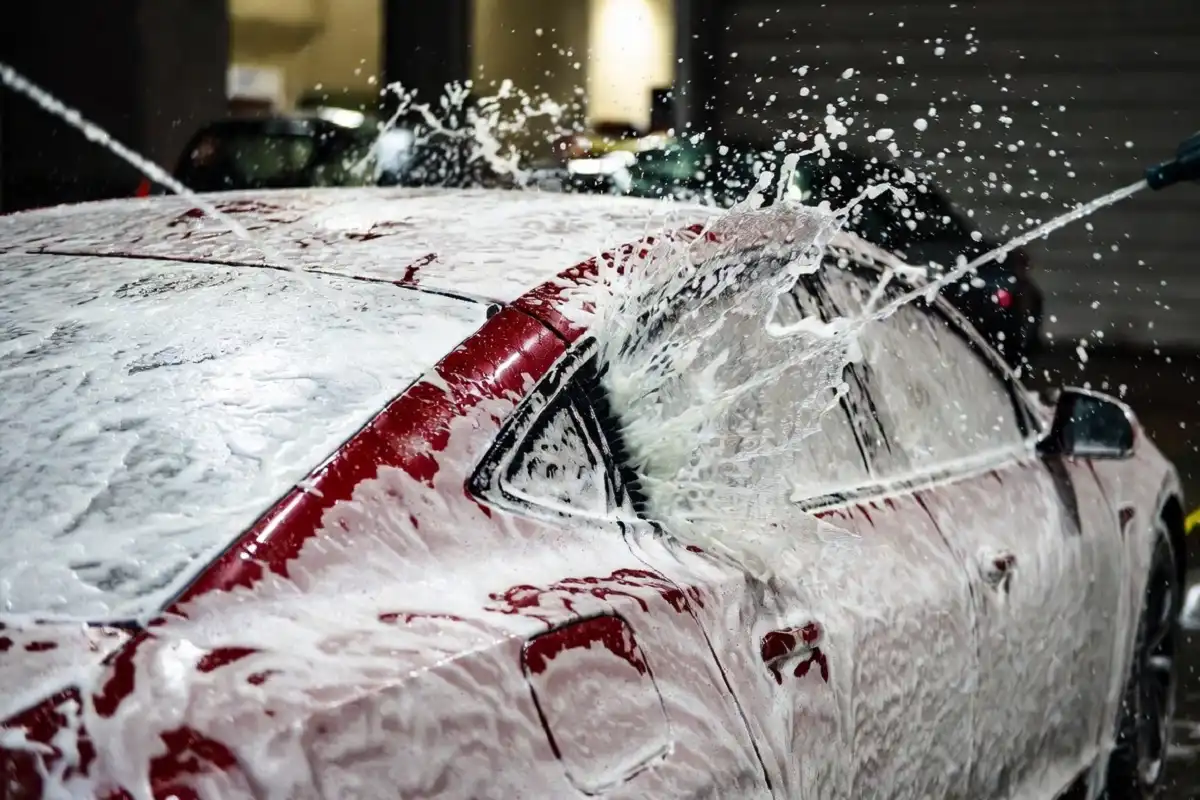
The process typically works in a few stages. First, a pre-soak solution is applied to loosen surface grime. Then high-pressure water jets blast away dirt, followed by a detergent application, a rinse cycle, and usually a spot-free final rinse or an air-dry option.
How It Differs from a Standard Automatic Wash
In a traditional automatic car wash, brushes or foam cloth strips make direct contact with your car’s paint. While modern brushes are much softer than older versions, there is still a risk of introducing fine scratches, especially if a previous car left grit or debris behind. A touch free system avoids this entirely by keeping equipment away from the surface.
This is especially relevant for newer vehicles, freshly waxed cars, or any vehicle with aftermarket paint or wraps.
Benefits of a Touch Free Car Wash
Choosing a touch free wash comes with several practical advantages.
- Paint safety. No physical contact means no brush marks or swirl damage.
- Speed. A full automatic cycle typically takes just a few minutes from entry to exit.
- Convenience. You stay in the car and let the equipment do the work.
- Consistency. Automated systems apply detergent and pressure in a repeatable, even pattern.
- Good for sensitive finishes. If your vehicle has a matte finish, ceramic coating, or vinyl wrap, avoiding bristle contact is important.
If you own a Tesla or a vehicle with a low front end, checking out guidance like this Tesla car wash mode guide before visiting any automatic wash can save you from costly mistakes.
Limitations to Keep in Mind
Touch free washing is not perfect for every situation. There are a few honest trade-offs worth knowing before you commit.
Heavy soiling. Caked-on mud, tree sap, bug splatter, or road tar may not fully release without physical agitation. In these cases, a pre-wash or manual spot treatment before entering the automated system gives much better results.
Water usage. High-pressure systems use a significant amount of water per cycle. If you are concerned about environmental impact, look for facilities that recycle water.
Chemical reliance. To compensate for the lack of brushes, touch free systems use stronger alkaline or acidic detergents. Over time, frequent use of harsh chemicals can affect wax coatings or sealants. Reapplying protection after regular washes helps maintain your finish.
Cost. Touchless washes typically cost slightly more than brush-style automatic options at the same facility.
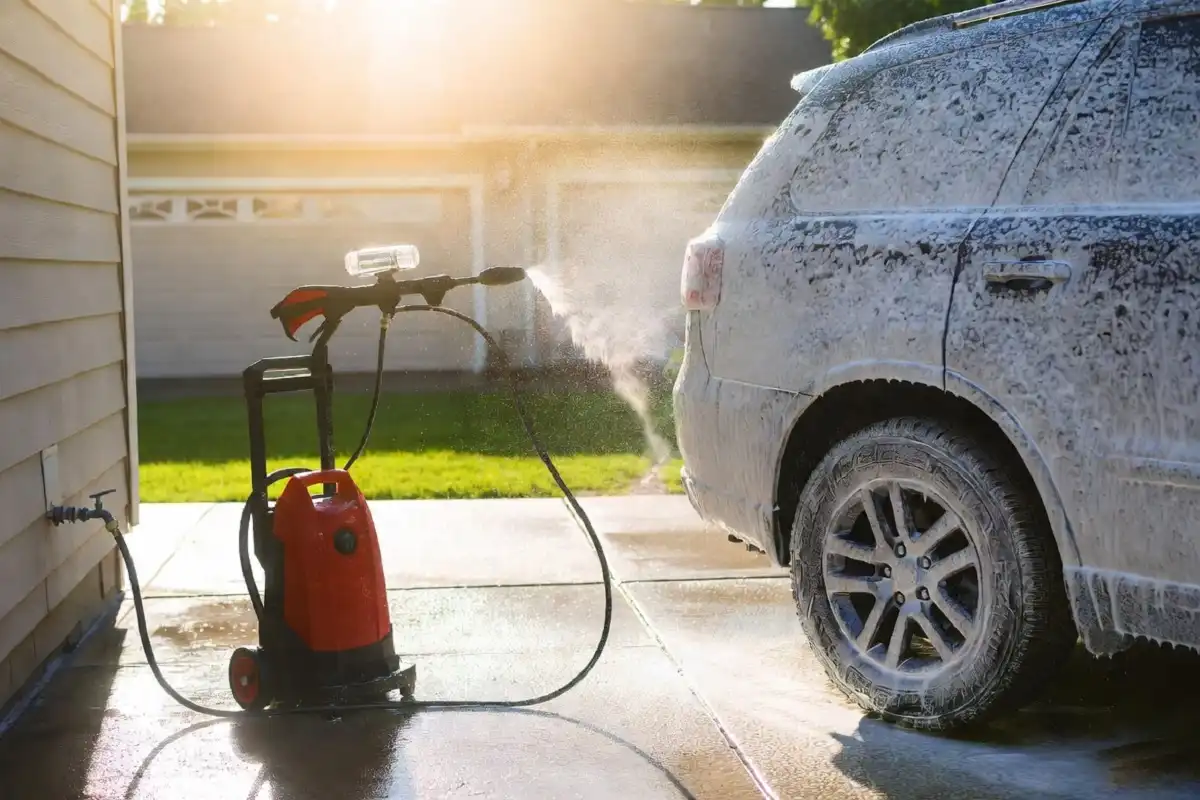
For a more hands-on alternative, check out this complete DIY car wash guide which walks through home washing techniques that give you full control over what touches your car.
How to Get the Best Results from a Touch Free Car Wash
Getting a good result depends on a few simple habits before and after the wash.
Before You Enter the Wash
Remove loose items from the exterior such as bike racks, roof boxes, or antenna toppers. These can interfere with the wash equipment or get damaged. If you have a spoiler or aftermarket body kit with thin edges, verify it is secure.
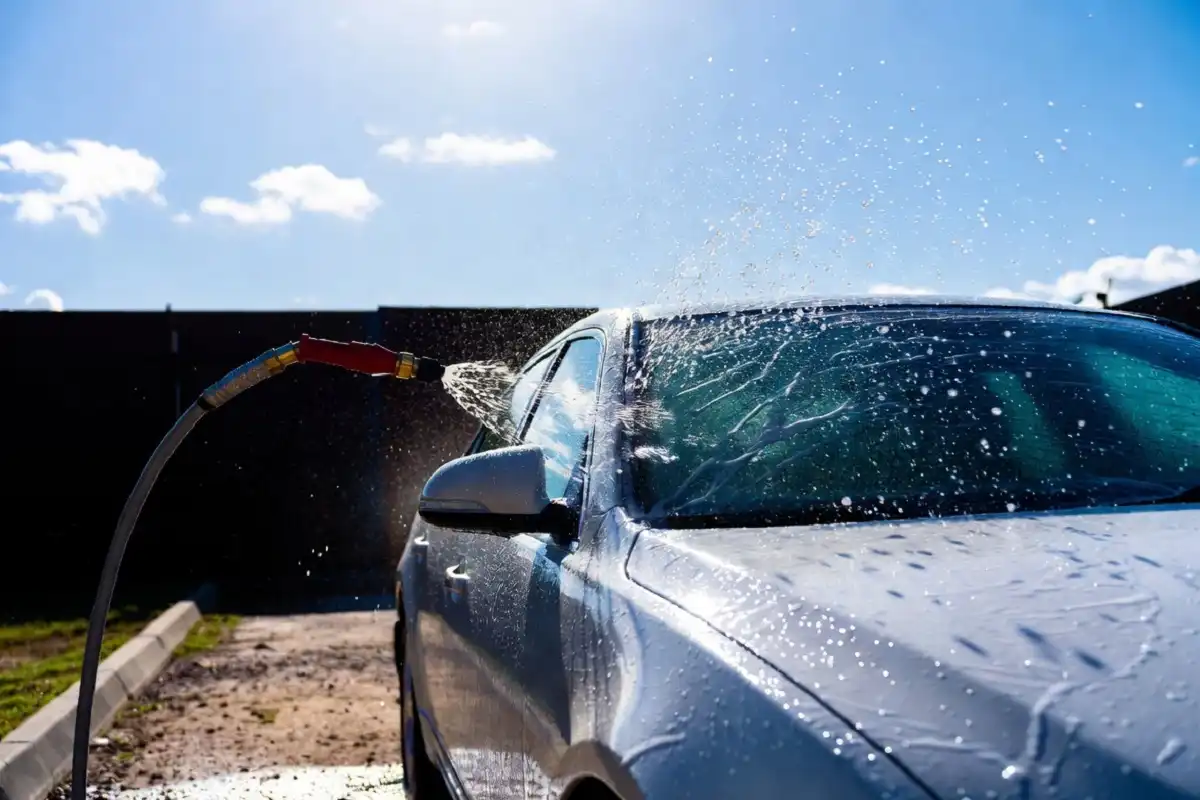
Knock off any large clumps of mud before entering. Touch free systems handle light to moderate dirt well, but heavy buildup needs a head start. A quick rinse with a garden hose or at a self-service bay before entering the automated tunnel makes a noticeable difference.
Choosing the Right Wash Package
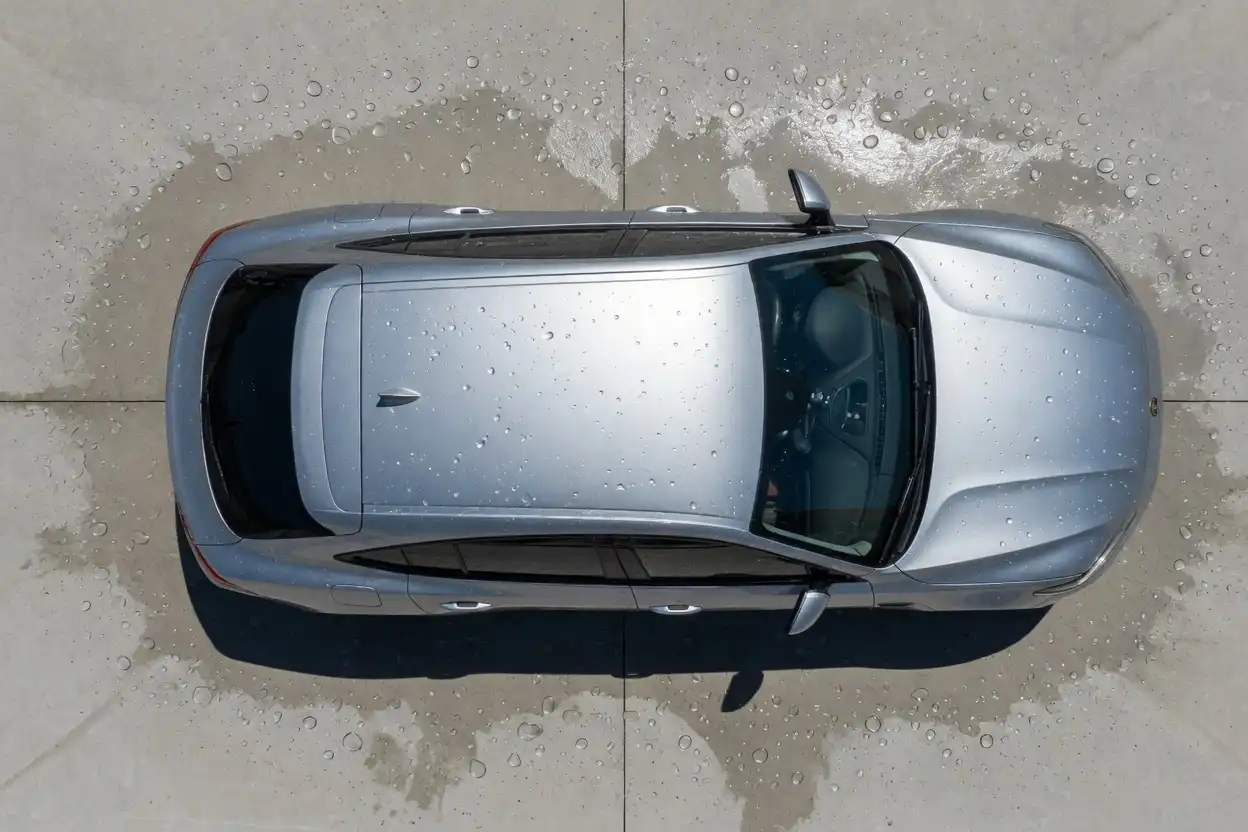
Most touch free facilities offer tiered packages. Basic options cover the wash and rinse. Premium options add tire shine, undercarriage rinse, and a spot-free rinse that uses filtered water to prevent water marks. If your car will air dry or you plan to hand dry it yourself, the spot-free rinse is one of the most useful add-ons.
After the Wash
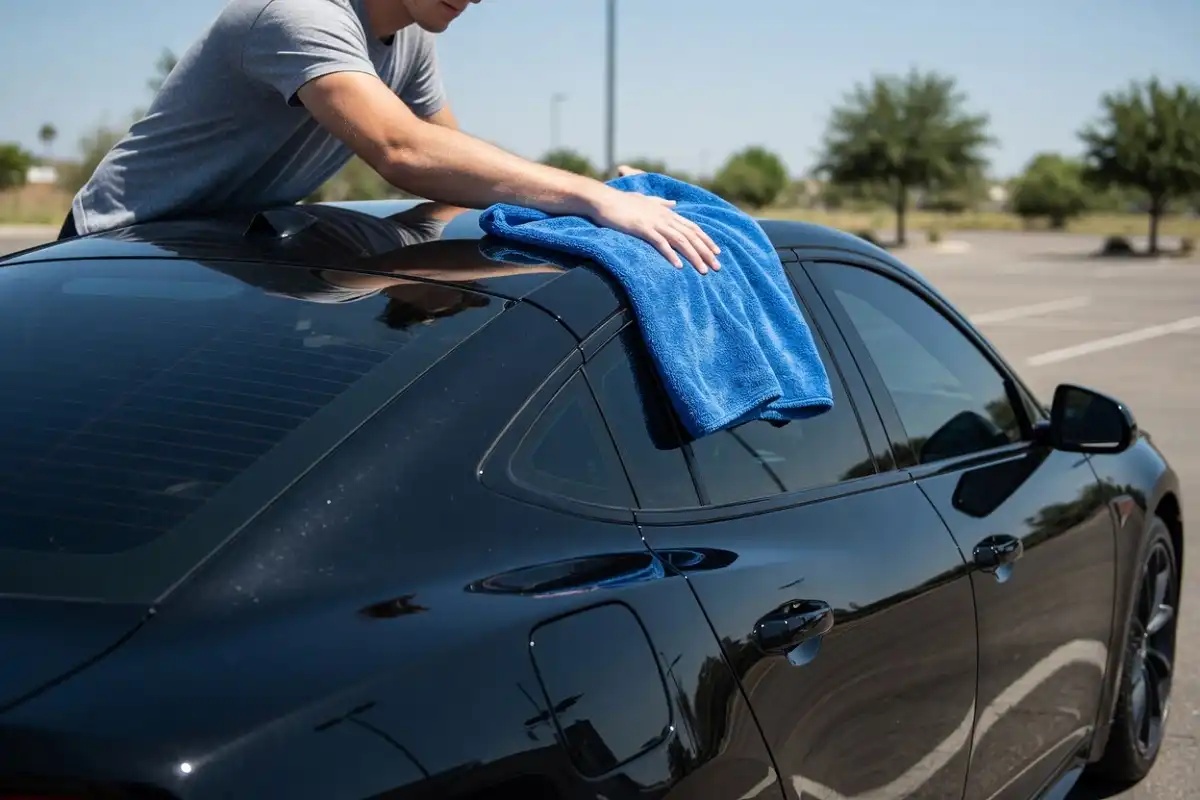
Dry your car as soon as possible after the rinse. Even filtered water can leave faint spots on dark paint if left to evaporate in the sun. A clean microfiber towel or chamois handles this quickly. If you notice any remaining stubborn spots, a quick detail spray and wipe will finish the job.
For those interested in waterless or low-water options between full washes, a dry car wash method is worth exploring as a complement to your regular wash routine.
Touch Free Car Wash vs. Other Wash Methods
Touch Free vs. Hand Wash
Hand washing gives you the most control and, done correctly with a two-bucket method and quality wash mitt, it produces excellent results. However, it takes more time and effort. Touch free washing is a practical choice for regular maintenance washes when you do not have the time for a full hand wash session.
Touch Free vs. Traditional Brush Wash
A traditional brush or soft-cloth automatic wash can remove heavier dirt more effectively because of the physical agitation. However, the risk of minor scratches increases, particularly at busier facilities where brush condition may vary. For paint-conscious drivers, touch free wins in terms of surface safety.
Touch Free vs. Self-Service Bay
A self-service bay gives you direct control over pressure and detergent application. It is a middle ground between full DIY and fully automated. If your local station offers a good self-service setup like Autobell, it can be a solid option for thorough cleaning when you have a bit more time.
Maintaining Your Car Between Touch Free Washes
Keeping your car cleaner between visits reduces the work the wash needs to do and protects your investment.
A quick rinse with a hose after rainy days or drives on salted winter roads removes surface deposits before they dry and bond. Using a spray detailer or quick detail product on panels between washes maintains the shine and adds light protection. Some car owners also use waterless wash sprays for minor dust and fingerprints.
For regular maintenance, facilities like Sparkling Image Car Wash and White Water Car Wash offer wash club memberships that make frequent visits affordable and practical.
Applying a quality wax or paint sealant every few months creates a barrier that makes future washing easier and more effective regardless of the method you choose. According to the International Carwash Association, professional car washes also recycle and treat their water, making them an environmentally responsible option compared to washing at home with a running hose.
A ceramic coating takes this further and can last significantly longer than traditional wax. If you are considering this investment, understanding the chemistry behind automotive surface protection can help you decide whether it is worth the cost for your situation.
FAQs
Is a touch free car wash safe for all vehicles?
Yes, touch free washes are generally safe for most vehicles because there is no physical contact with the paint surface. However, if your car has loose trim, a damaged antenna, or a vinyl wrap with lifting edges, you should address those issues before entering any automated wash system.
Does a touch free car wash remove all dirt?
A touch free car wash handles everyday dirt, road grime, and light soiling very well. Heavier contaminants like tree sap, bird droppings, or thick mud may need a pre-treatment or manual spot cleaning before or after the automated cycle for a fully clean result.
How often should you use a touch free car wash?
Most drivers benefit from washing their car every two to four weeks depending on their local conditions, season, and driving habits. If you drive frequently on roads treated with salt or through dusty areas, more frequent washes help protect your paint and undercarriage.
Will a touch free wash damage ceramic coating or wax?
A single touch free wash will not destroy wax or ceramic coating. However, repeated exposure to strong alkaline detergents over time can gradually degrade these protective layers. Using a car wash formulated to be pH-neutral or coat-safe, and reapplying protection periodically, extends the life of your finish.
Is a touch free car wash better for the environment?
Professional touch free car washes that recycle their water are generally more eco-friendly than washing at home with a running hose. The water recycling and treatment systems used at modern facilities reduce overall water consumption and prevent chemical runoff into storm drains.
What should I do if the wash misses a spot?
If you notice a spot the automated system missed, a quick wipe with a detailing spray and clean microfiber cloth after the wash handles it in seconds. For persistent spots, a clay bar treatment followed by wax or sealant will restore the surface.
Conclusion
A touch free car wash is a smart, low-risk option for keeping your vehicle clean without the worry of brush-related paint damage. It works best as part of a regular maintenance routine paired with occasional hand detailing for stubborn spots. Whether you visit a local chain or a premium facility, following the tips in this guide will help you get consistent, clean results every time. Give it a try on your next wash day and see the difference for yourself.