Introduction
You’re running late, your car looks like it drove through a dust storm, and you need a fix — fast. That’s exactly what a drive through car wash was built for. But are you actually getting the clean your car deserves, or just going through the motions?
This guide breaks down everything about the drive through car wash — how it works, the different types available, what to watch out for, and how to maximize your results every time you pull in. Whether you’re a first-timer or a weekly regular, there’s something here for you.
How Does a Drive Through Car Wash Work?
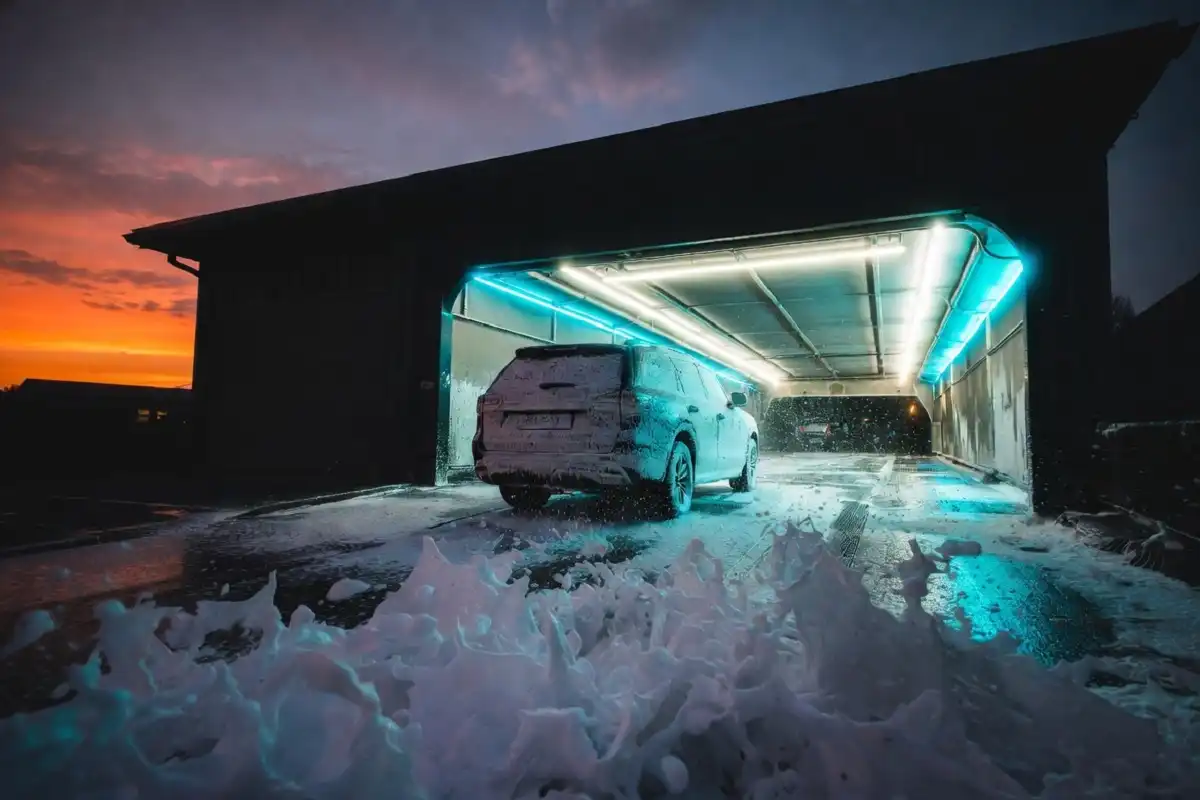
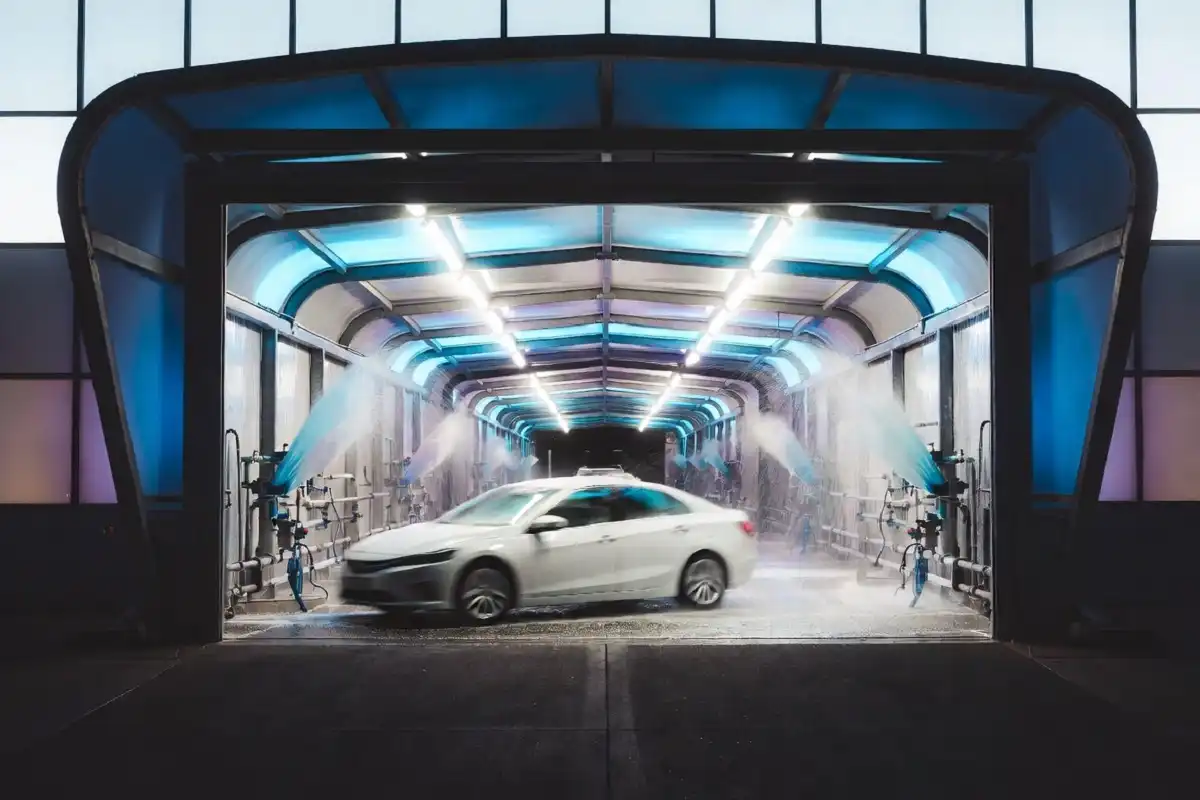
A drive through car wash — also called a tunnel car wash or automatic car wash — moves your vehicle through a series of cleaning stages on a conveyor belt. You drive in, put your car in neutral (or follow the attendant’s instructions), and the system does the rest.
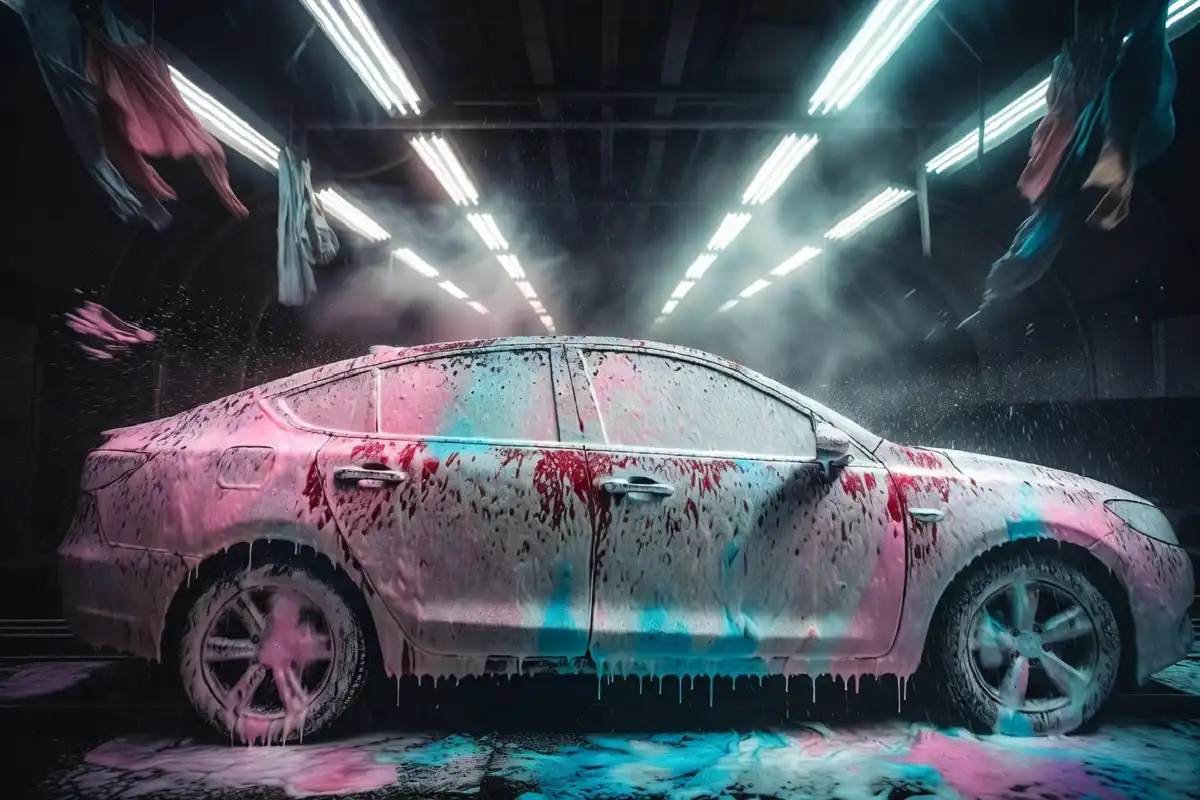
Here’s what typically happens inside the tunnel:
- Pre-soak spray — A high-alkaline solution loosens heavy dirt and road grime
- Foam application — Thick soap is applied to the body panels
- Brushes or cloth strips — Rotating mechanisms scrub the vehicle’s surface
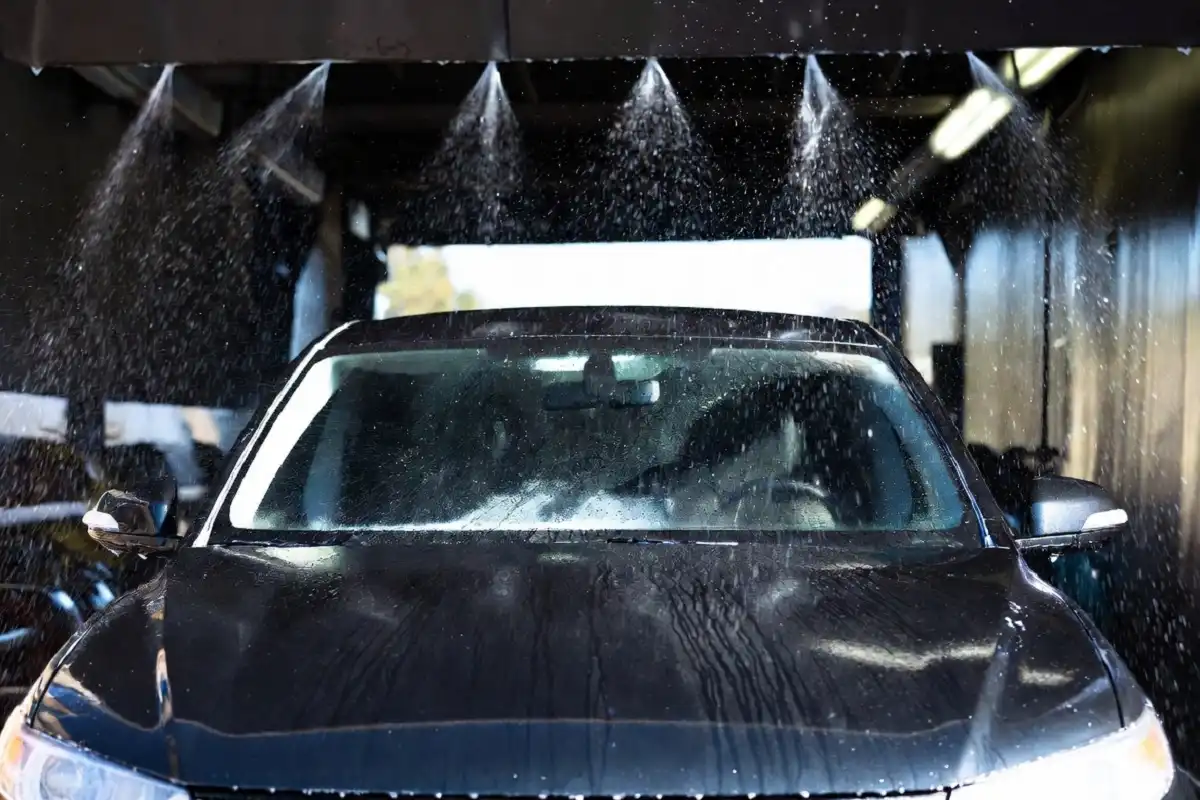
- High-pressure rinse — Removes soap and lifted dirt
- Spot-free rinse — Deionized water prevents mineral water spots
- Air dryers — High-powered blowers remove surface moisture
The whole process takes 3–5 minutes on average — making it one of the fastest car cleaning options available.
Types of Drive Through Car Wash Systems
Not every drive through car wash is the same. Understanding the differences helps you pick the right one for your vehicle.
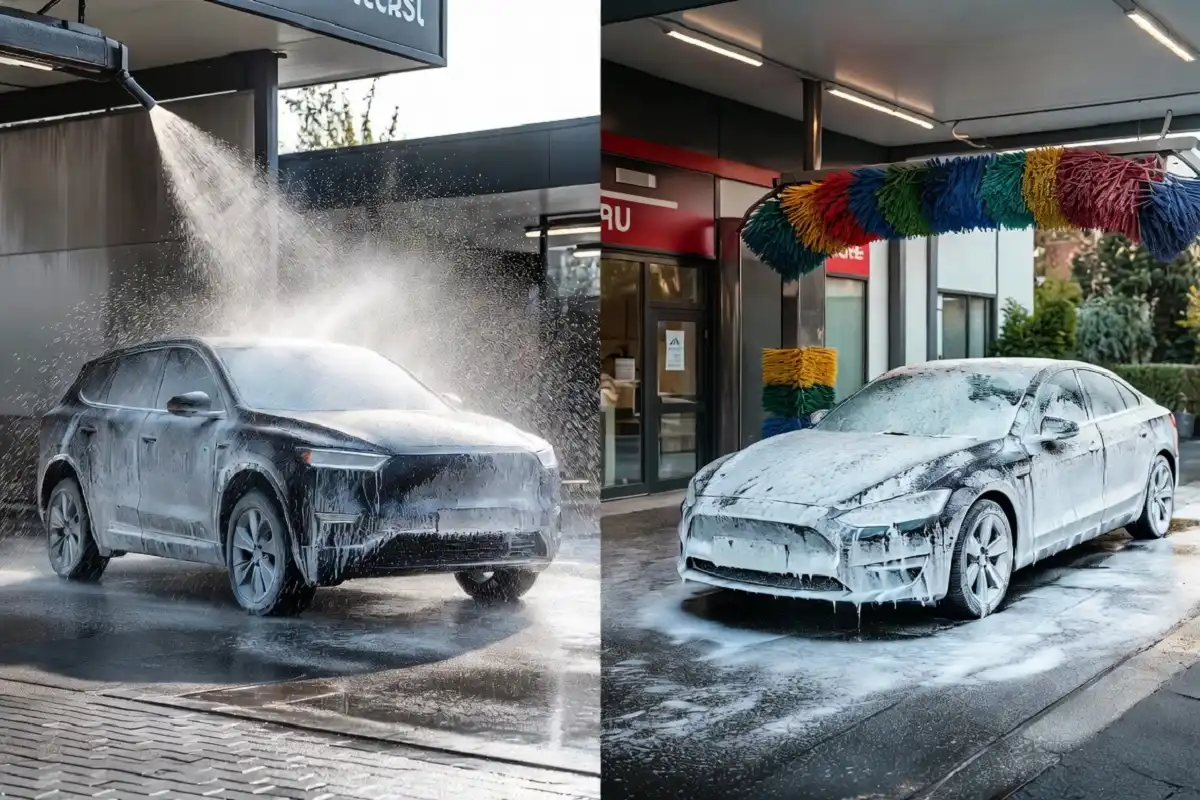
Soft-Touch (Friction) Wash
This is the most common type. It uses spinning cloth strips, foam pads, or brushes to physically scrub your car.
- Pros: Very effective at removing dirt, wax-friendly options available
- Cons: Can cause minor swirl marks or fine scratches over time, especially on soft or older paint
Touchless Automatic Wash
A touchless system relies entirely on high-pressure water jets and chemical pre-soaks — no physical contact with your paint.
- Pros: Zero risk of brush-induced scratches, safe for all paint finishes
- Cons: Less effective on heavy mud or stubborn grime; may leave some spots behind
Hybrid Wash
Some modern facilities combine both — using touchless pre-soaks with light cloth contact for the best of both worlds.
Which Type Should You Choose?
For daily drivers and newer cars, a touchless or hybrid wash is the safest choice. For heavily soiled vehicles, a soft-touch wash provides a more thorough clean. If your vehicle has a fresh wax coat or ceramic coating, always opt for touchless to preserve that protection layer.
Drive Through Car Wash vs. Other Car Wash Options
Before committing to an automatic tunnel, it helps to understand how it stacks up against alternatives.
| Wash Type | Time | Cost | Paint Safety | Cleanliness |
|---|---|---|---|---|
| Drive Through Car Wash | 3–5 min | $8–$25 | Moderate | Good |
| Self-Service Bay | 10–20 min | $3–$10 | High | Very Good |
| Hand Wash at Home | 30–60 min | Very Low | Highest | Excellent |
| Full-Service Detail | 1–3 hours | $50–$200 | Highest | Best |
If you’re weighing your options, a hand car wash delivers far superior results for paint protection — though it requires more time and effort. For speed and convenience, the drive through wins every time.
Getting the Best Results from a Drive Through Car Wash
Just driving in and out isn’t always enough. These tips will help you get a noticeably better result.
Before You Enter
- Remove loose items — Take off roof racks, bike carriers, or external antennas if possible
- Close all windows and sunroofs — Sounds obvious, but it happens
- Fold in your mirrors — Especially in tight tunnel systems, this prevents damage
- Check for loose trim — Any hanging bumper or trim piece can be caught by brushes
Choosing the Right Wash Package
Most drive through car wash facilities offer tiered packages. Here’s a general guide:
- Basic wash — Pre-soak, soap, rinse. Fine for light dust or regular maintenance.
- Mid-tier wash — Adds wheel cleaner, underbody flush, and spot-free rinse. Best value for most drivers.
- Premium wash — Adds tri-foam conditioner, clear coat protectant, and air-dry. Worth it for monthly deep cleans.
Pro Tip: Skip the cheapest option if your car is visibly dirty. The basic package often lacks the chemical strength to properly lift road grime or brake dust.
After the Wash
The tunnel’s air dryers won’t get every drop. Once you exit:
- Pull into a well-lit area and inspect the result
- Use a microfiber towel to wipe off remaining moisture from mirrors, door handles, and fuel cap areas
- Apply a spray detailer to enhance gloss and remove any streaks
- Check wheels — these often need a second wipe-down
When a Drive Through Car Wash Isn’t Enough
As convenient as the tunnel is, there are situations where it genuinely falls short.
Heavy Contamination
Bird droppings, tree sap, tar, and road paint don’t always come off in a standard tunnel pass. These require targeted treatments — either a dedicated bug-and-tar remover or a clay bar treatment.
Interior Cleaning
A drive through car wash only cleans the exterior. If your interior is dusty, stained, or odorous, you’ll need a separate solution. Our complete car cleaning kit guide covers the exact tools needed for a thorough inside-out clean.
Ceramic-Coated or Wrapped Vehicles
If your vehicle has a ceramic coating, PPF (paint protection film), or a vinyl wrap, many detailing specialists recommend avoiding soft-touch tunnels entirely. The brushes and strong alkaline chemicals used in some systems can degrade coatings faster than natural weathering.
Older or Damaged Paint
Chipped paint, rust spots, or oxidized clear coat are more vulnerable in a tunnel wash. High-pressure water can force moisture into chips, and brushes can peel loose paint further. Consider a home car wash approach for more delicate vehicles.
Drive Through Car Wash and Paint Protection: The Truth
One of the most common concerns is whether tunnel washes damage paint over time. The answer is nuanced.
Soft-touch tunnels — particularly those with older, worn brushes — can cause fine swirl marks with repeated use. These are usually only visible in direct sunlight but accumulate over months and years.
Touchless tunnels use stronger chemicals to compensate for no physical contact. These chemicals are generally safe on factory clear coats but can strip wax or sealant faster than a hand wash would.
The bottom line: A drive through car wash is perfectly safe for occasional use. If you’re washing weekly, consider alternating with a hand wash or self-service wash to reduce paint wear.
According to Consumer Reports’ car maintenance guidance, regular washing is one of the single most effective ways to preserve a vehicle’s resale value — regardless of the method used.
Environmental Impact of Drive Through Car Washes
Surprisingly, professional drive through car wash facilities are more eco-friendly than home driveway washing in many cases.
Here’s why:
- Water recycling systems — Many modern tunnel washes recycle 60–80% of water used per cycle
- Controlled runoff — Wash water is captured and treated, not drained into storm systems
- Measured chemical use — Automated systems use precise amounts of detergent, reducing waste
According to the International Carwash Association, professional car washes use significantly less water per vehicle than the average home hose wash, while also treating wastewater before disposal.
If eco-conscious car care matters to you, pairing your drive through visits with home-use products like vinegar-based car wash soap for touch-ups is a smart, low-waste strategy.
How Much Does a Drive Through Car Wash Cost?
Pricing varies by region and package tier, but here’s a realistic breakdown:
- Basic exterior wash: $6–$12
- Mid-tier wash with extras: $12–$18
- Premium/deluxe package: $18–$30
- Monthly unlimited membership: $20–$50/month
Monthly memberships are the best value if you wash at least twice a month. Most major chains like Mister Car Wash, Zips Car Wash, and Quick Quack offer unlimited plans that pay for themselves quickly.
Money-Saving Tip: Sign up for a membership at your most-used location and use it as your primary maintenance wash. Reserve premium hand washes or detailing for seasonal deep cleans.
Maintaining Your Car Between Drive Through Visits
A tunnel wash handles the big clean, but regular maintenance keeps your car looking sharp in between visits.
Quick maintenance tips:
- Keep a waterless wash spray in your car for spot-cleaning bird droppings immediately
- Use a soft detailing brush to dust off vents, door jambs, and trim weekly
- Wipe down windows with a microfiber cloth after rainy days to prevent water spot buildup
- Apply a spray wax every 4–6 weeks to maintain paint protection between washes
For those interested in a more hands-on approach between tunnel visits, a splash car wash technique is a great lightweight option that takes just 10–15 minutes.
FAQ: Drive Through Car Wash
Is a drive through car wash safe for my car?
Yes — for most vehicles, an occasional drive through car wash is completely safe. If your car has a fresh wax coat, ceramic coating, or vinyl wrap, choose a touchless tunnel to avoid chemical or brush damage. For daily drivers, a soft-touch tunnel every 2–4 weeks is perfectly fine.
Can I go through a drive through car wash with a cracked windshield?
It’s not recommended. High-pressure water can expand an existing crack significantly. Have the windshield repaired before using any automatic car wash, regardless of type.
How often should I use a drive through car wash?
Most automotive experts suggest washing your car every 2 weeks as a baseline. In winter, areas with heavy road salt may require weekly washing. In dry, low-dust climates, monthly visits may be sufficient.
Will a drive through car wash remove bird droppings and tree sap?
Standard tunnel washes may not fully remove hardened bird droppings or dried tree sap. These require a dedicated spot treatment with a tar-and-bug remover before or after the tunnel pass. Don’t let these contaminants sit — both are acidic and can etch clear coat within days.
Do drive through car washes damage antennas?
Fixed mast antennas can be damaged in soft-touch tunnels. Most modern cars use shark-fin or embedded antennas, which are fine. If your car has a removable mast antenna, unscrew it before entering the tunnel.
Are drive through car wash membership plans worth it?
Absolutely — if you wash more than twice a month, a membership almost always saves money. Many chains offer unlimited washes at a flat monthly rate, making each visit essentially free after two uses.
Conclusion
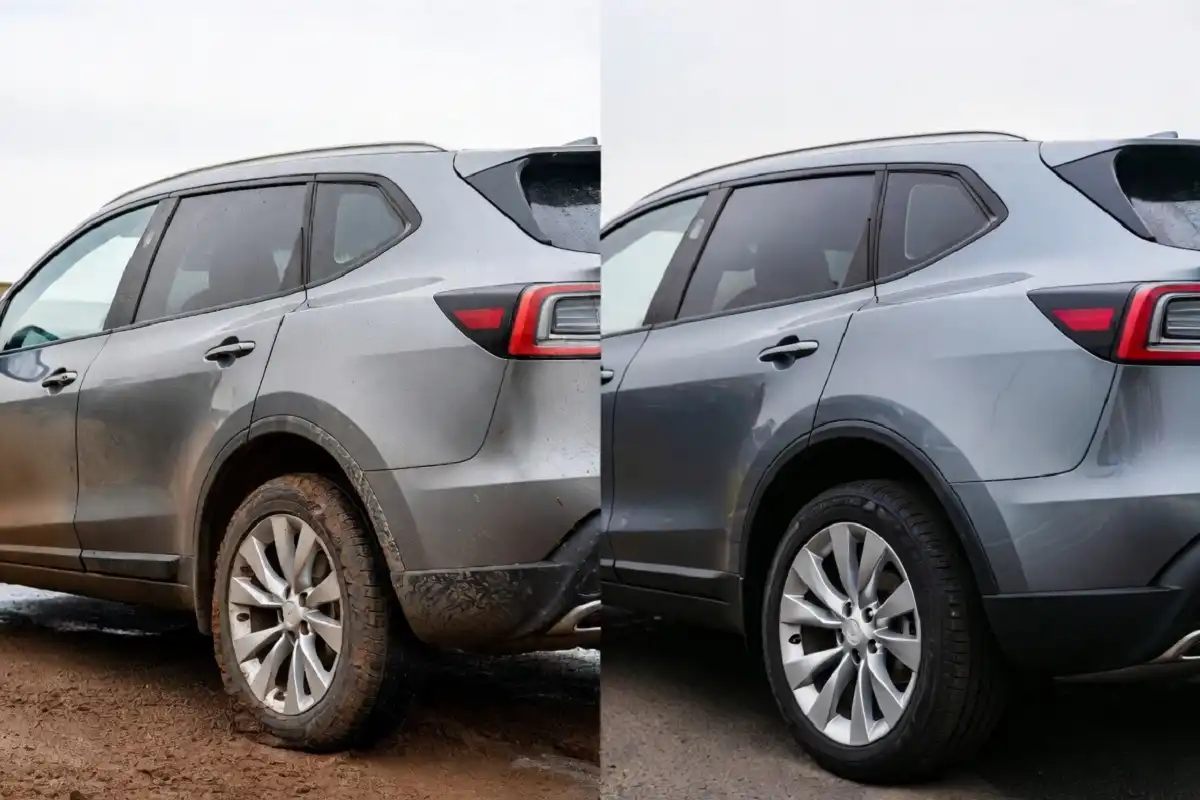
A drive through car wash is one of the most convenient tools in a car owner’s routine — fast, affordable, and effective for regular maintenance cleaning. But like any tool, you get out of it what you put in. Choosing the right wash type, the right package, and following up with a quick dry and detail pass makes a significant difference in the final result.
Use the tunnel for speed and convenience. Pair it with occasional hand washes and proper detailing to keep your paint truly protected for the long haul.
Want to go deeper on car care? Explore our full DIY washing guide — from how to wash your car at home to finding the best car wash machine for home use — and give your vehicle the care it deserves between tunnel visits.