Introduction
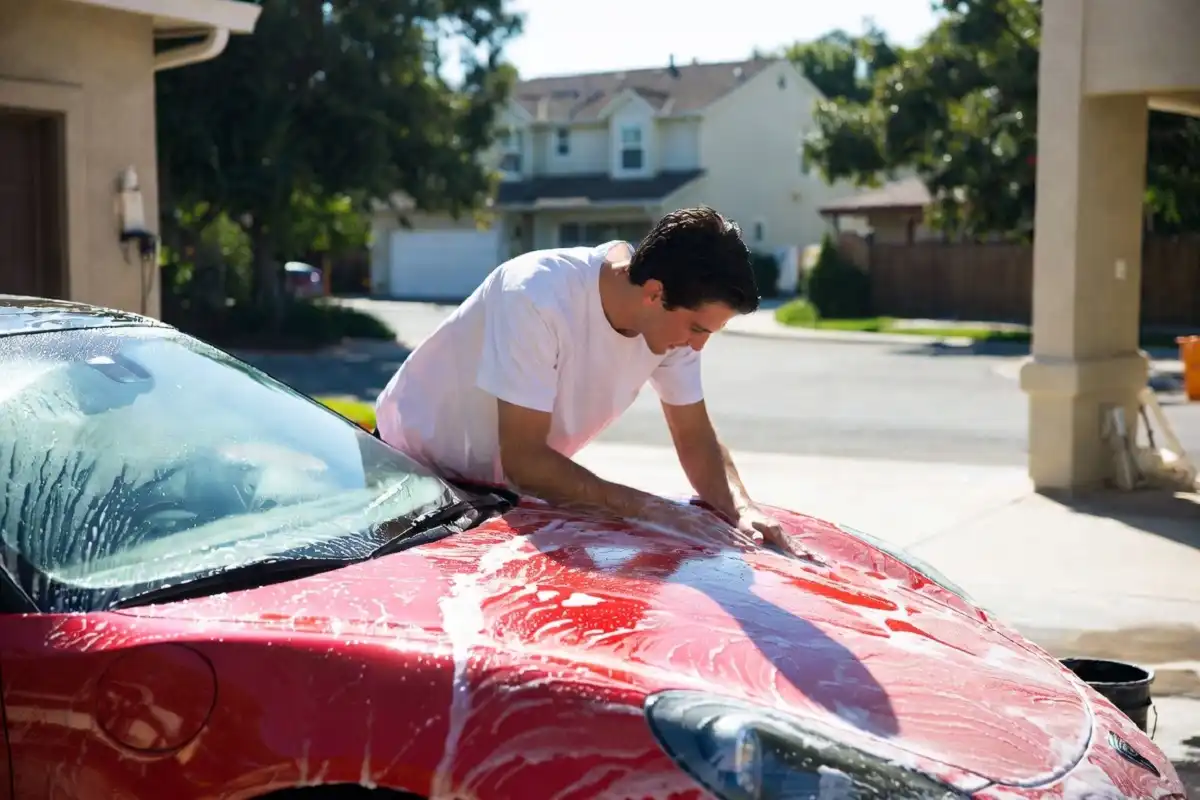
Your car deserves more than a lazy drive-through rinse. A proper hand car wash gives your vehicle the careful, personal attention it needs to truly shine — and protect that paint for years to come.
Whether you’re a first-timer or a weekend detailing enthusiast, this guide covers everything: the right tools, proven techniques, step-by-step methods, and pro tips that take your hand car wash from basic to brilliant. Let’s dive in.
Why Hand Car Wash Beats Automated Car Washes
Automated car washes are convenient — but they come with hidden costs. The stiff brushes in tunnel washes can scratch your paint, leave swirl marks, and miss tight spots around mirrors and trim. A hand car wash, on the other hand, lets you control every movement, every pressure point, and every product.
Here’s why hand washing wins every time:
- Gentler on paint – No abrasive brushes, no swirl marks
- More thorough – You can clean wheel arches, jambs, and crevices properly
- Better product control – Use the right shampoo for your paint type
- Cheaper long-term – A bucket and wash mitt go a long way
- Safer for coatings – Ceramic coatings and wax last longer without machine abrasion
If you’ve ever wondered why your car still looks dull after a machine wash, the answer is usually micro-scratches from improper washing. A proper hand car wash eliminates that problem entirely.
Tools You Need for a Perfect Hand Car Wash
Before you splash a drop of water, make sure you have the right gear. Using a rough sponge or dishwashing liquid is one of the most common — and damaging — mistakes car owners make.
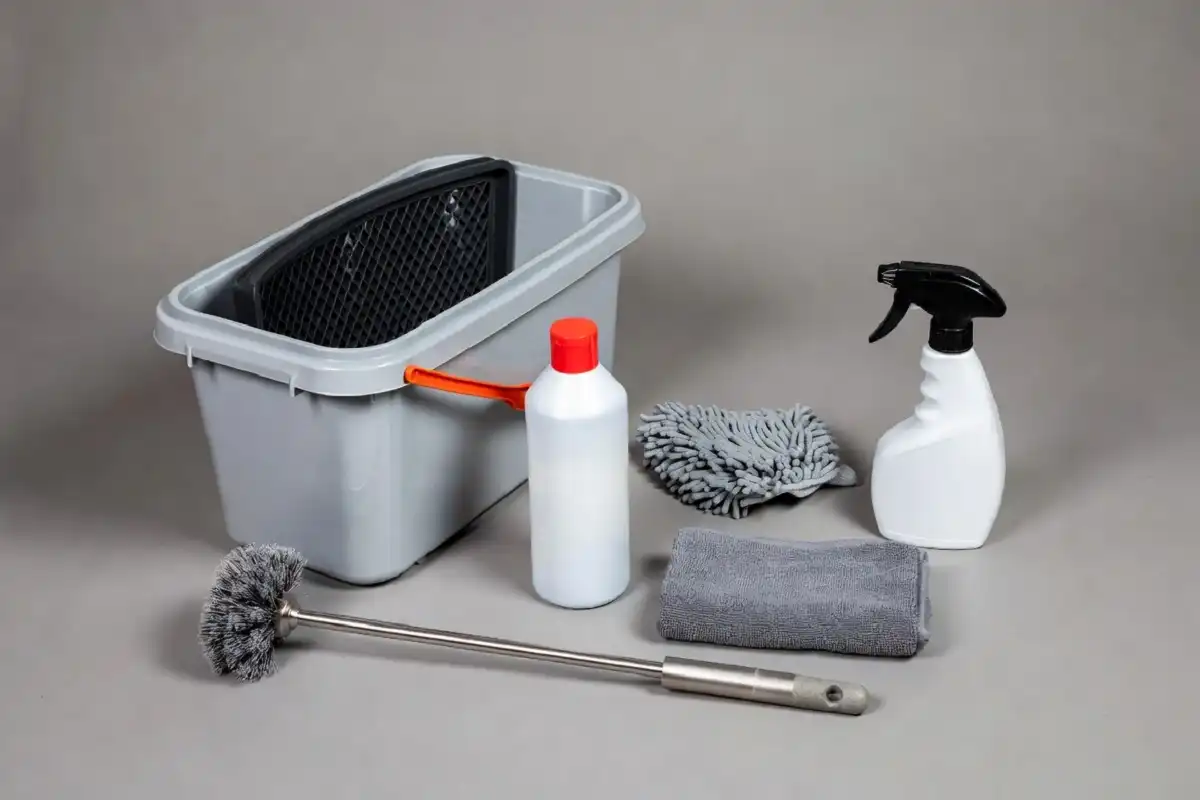
Essential Hand Car Wash Supplies
- Two buckets (one for soap, one for rinsing)
- Grit guards (placed inside buckets to trap dirt)
- Quality wash mitt (microfiber or lambswool, never a sponge)
- Car shampoo (pH-neutral, paint-safe formula)
- Wheel brush and wheel cleaner
- Microfiber drying towels (large, plush)
- Spray detailer or quick detailer (for finishing)
- Garden hose or pressure washer (for pre-rinse and rinse)
For a complete breakdown of the best gear, check out this car cleaning kit guide to detail your car like a pro — it covers everything from entry-level to professional-grade tools.
The Two-Bucket Method: The Gold Standard for Hand Car Wash
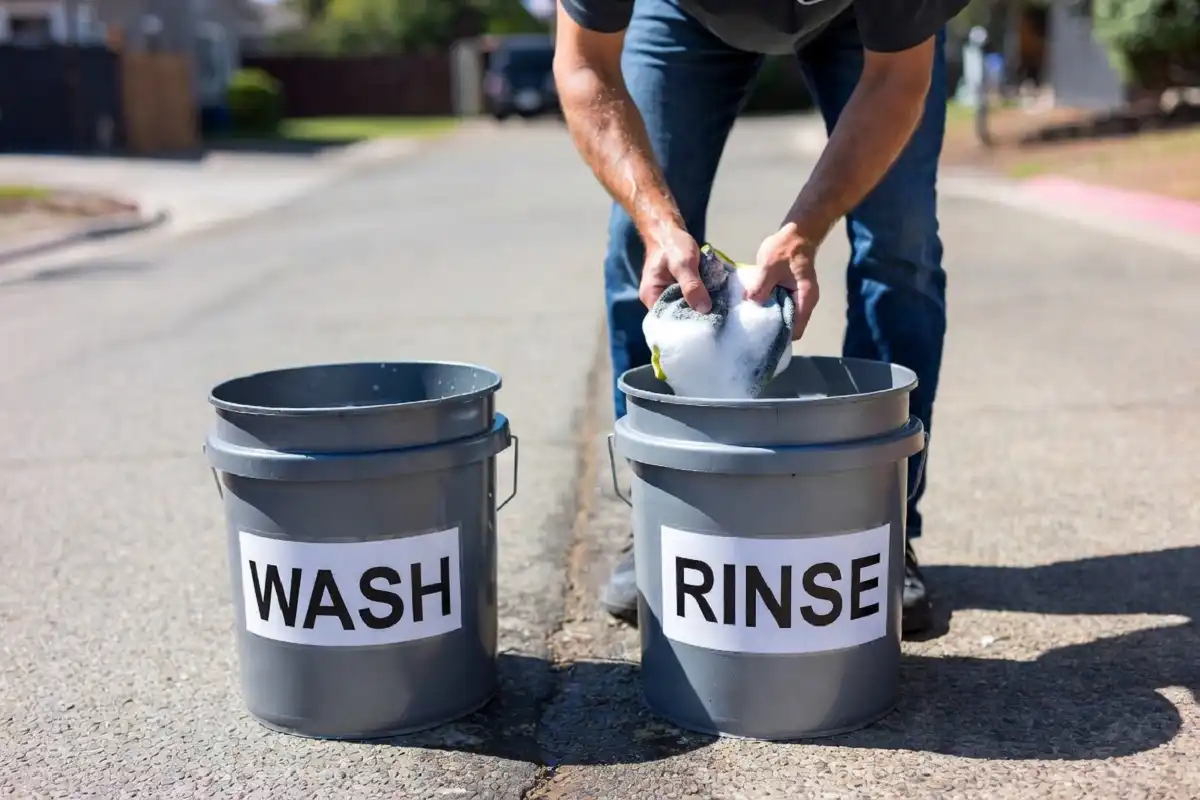
The two-bucket method is the single most effective technique for a scratch-free hand car wash. Professional detailers swear by it, and once you try it, you’ll never go back to a single bucket again.
How It Works
- Bucket 1 – Wash Bucket: Fill with warm water and your chosen car shampoo
- Bucket 2 – Rinse Bucket: Fill with clean water only
After washing each panel, dunk your mitt into the rinse bucket first to release the dirt — then load it with fresh soapy water from the wash bucket. This stops you from dragging dirt back onto the paint.
Place a grit guard at the bottom of each bucket to trap particles below the water line.
Step-by-Step Hand Car Wash Process
Follow this method for professional results every single time.
Step 1: Pre-Rinse the Car
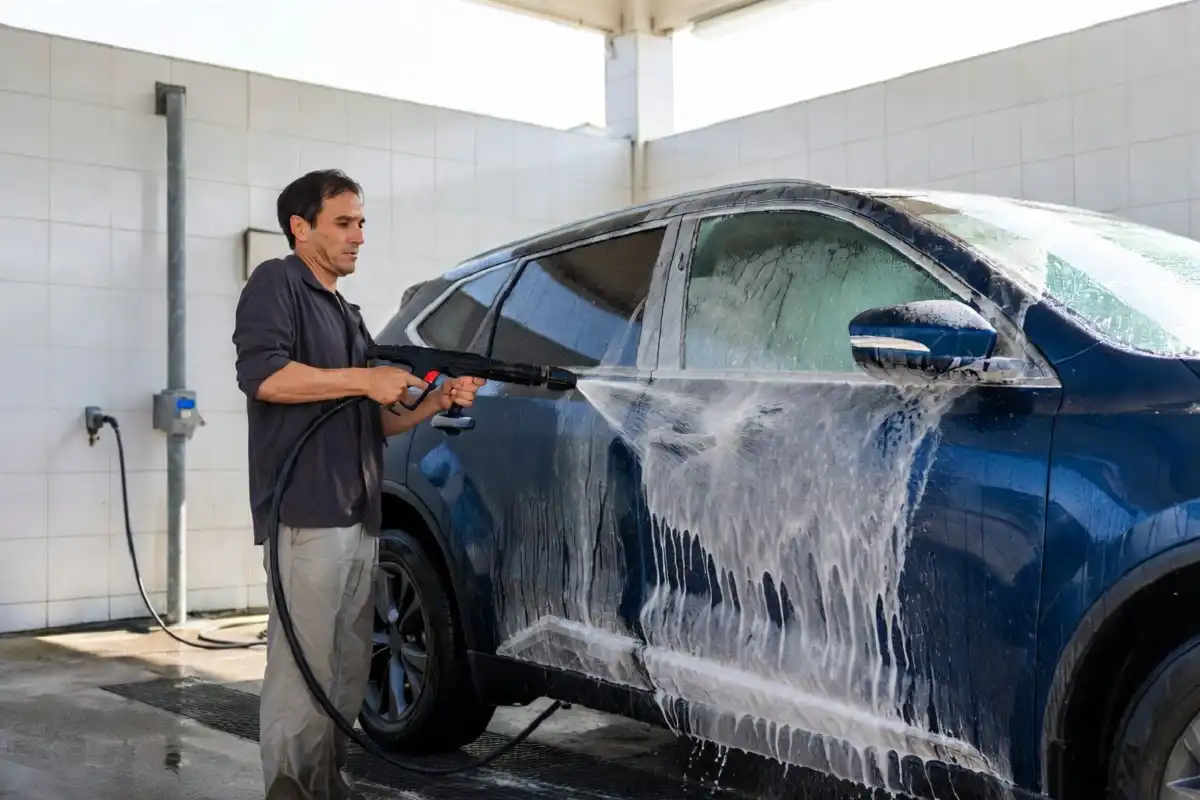
Start with a thorough rinse to knock off loose dirt, dust, and debris. Work top to bottom — roof, windows, bonnet, doors, lower panels. This reduces the risk of scratching during the wash.
Use a garden hose or a low-pressure setting on a pressure washer. Avoid blasting door seals and mirrors directly at close range.
Step 2: Clean the Wheels First
Wheels are the dirtiest part of any car. Tackle them first so any brake dust splashback doesn’t contaminate your freshly washed paintwork.
- Spray wheel cleaner and let it dwell for 1–2 minutes
- Agitate with a dedicated wheel brush
- Rinse thoroughly before moving to the body
Step 3: Apply Snow Foam (Optional but Recommended)
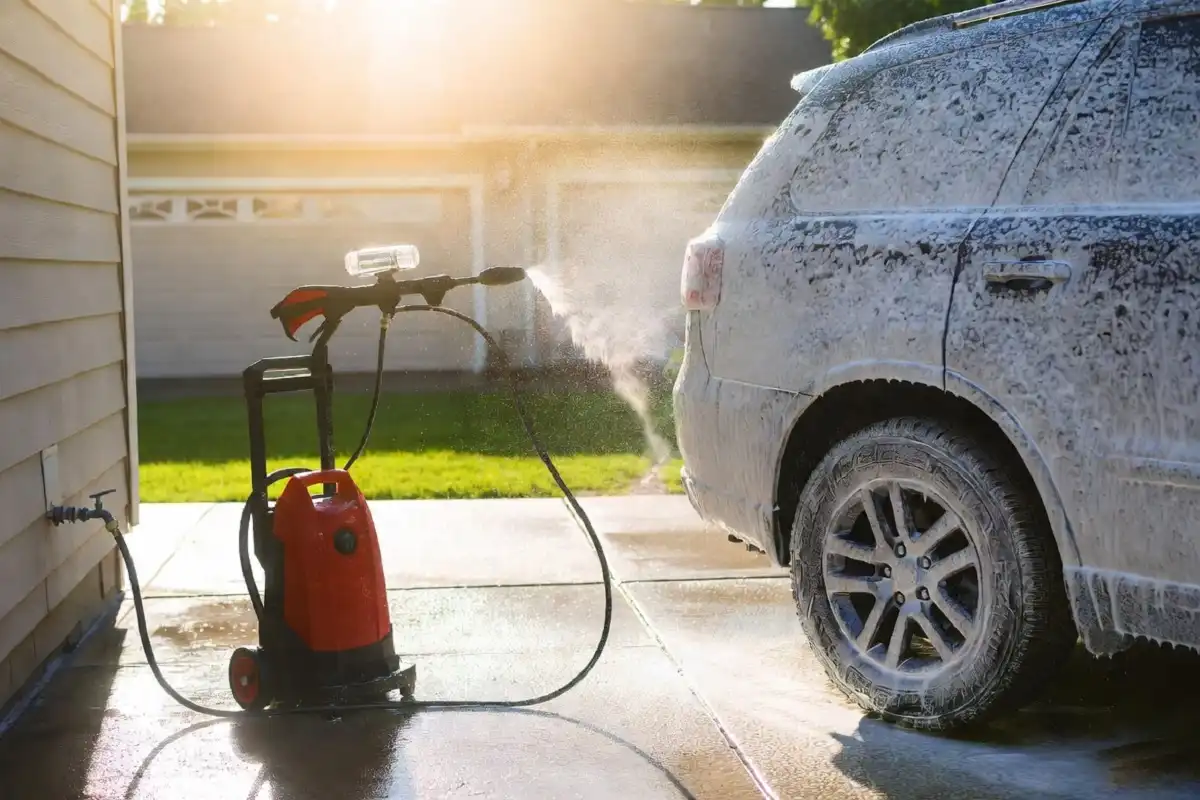
If you have a foam lance or foam cannon, apply a thick layer of snow foam and let it sit for 5 minutes. It encapsulates and loosens surface dirt before you even touch the car — significantly reducing scratch risk during the hand wash stage.
For those who want an affordable home-based setup, a car wash machine for home can make foaming and rinsing far more efficient.
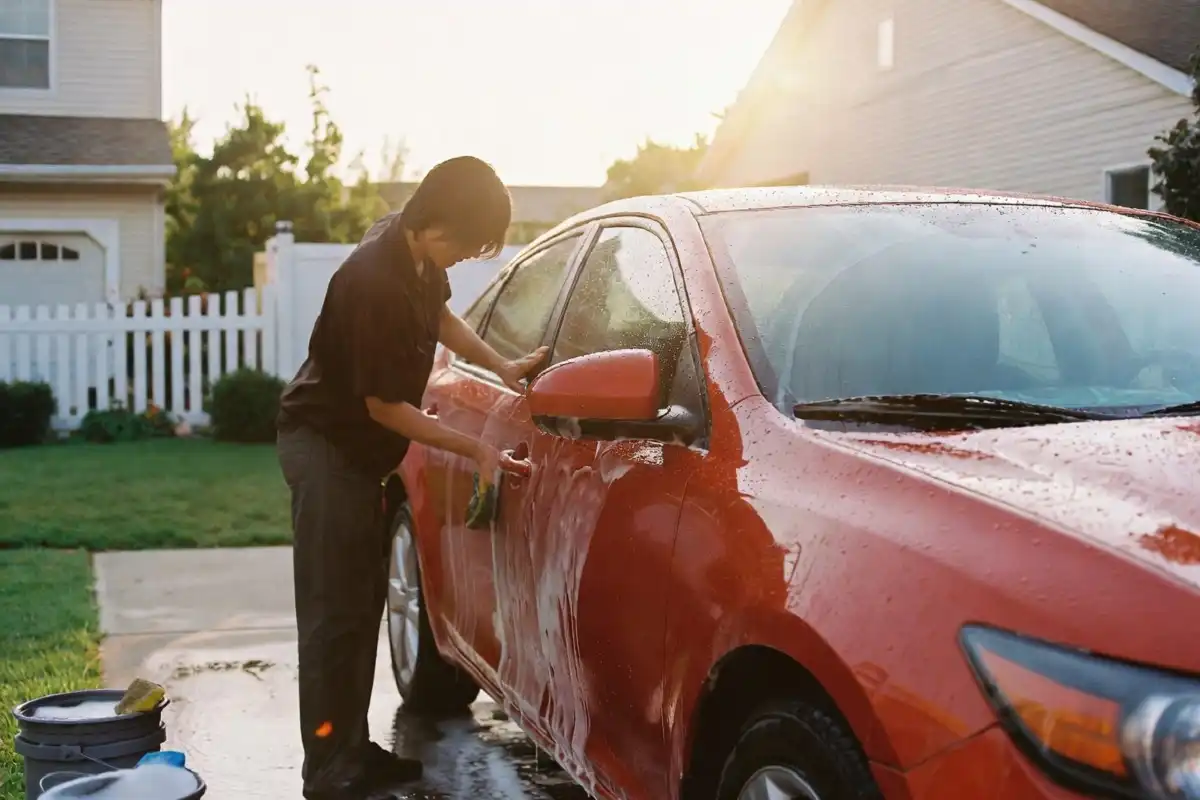
Step 4: The Hand Wash — Panel by Panel
This is where technique matters most.
- Work from top to bottom — roof → windows → bonnet → doors → lower panels
- Use straight, overlapping strokes — never circular (circles cause swirls)
- Rinse your mitt in the rinse bucket after every panel
- Reload with fresh soap from the wash bucket
- Keep the panel wet at all times to prevent soap drying
Spend extra time on the lower sections of the car where road grime accumulates.
Step 5: Rinse Thoroughly
Once you’ve washed every panel, rinse from top to bottom with clean water. Make sure all soap residue is gone — dried shampoo can leave water spots and streaks.
Step 6: Dry Immediately
This step is more important than most people realise. Letting water air dry causes water spots, especially in hard water areas.
Use a large, plush microfiber drying towel and pat or gently wipe the surface dry. Start with the roof and work down. A quick detailer spray underneath your towel adds lubrication and a touch of shine.
Step 7: Finishing Touches
Once dry, apply a spray wax or sealant to protect the clean paint and add extra gloss. Dress your tyres with a tyre shine product and clean your windows with a glass cleaner.
Choosing the Right Car Shampoo for Hand Washing
Not all car shampoos are equal. For a hand car wash, you want a pH-neutral formula that’s tough on grime but gentle on wax, sealant, or ceramic coatings.
What to Look For
- pH neutral (6–8 range) — Safe for all paint types and coatings
- High lubricity — Reduces friction and micro-scratches
- Good foam production — Lifts dirt away from paint
- No wax-strippers — Preserves existing protection
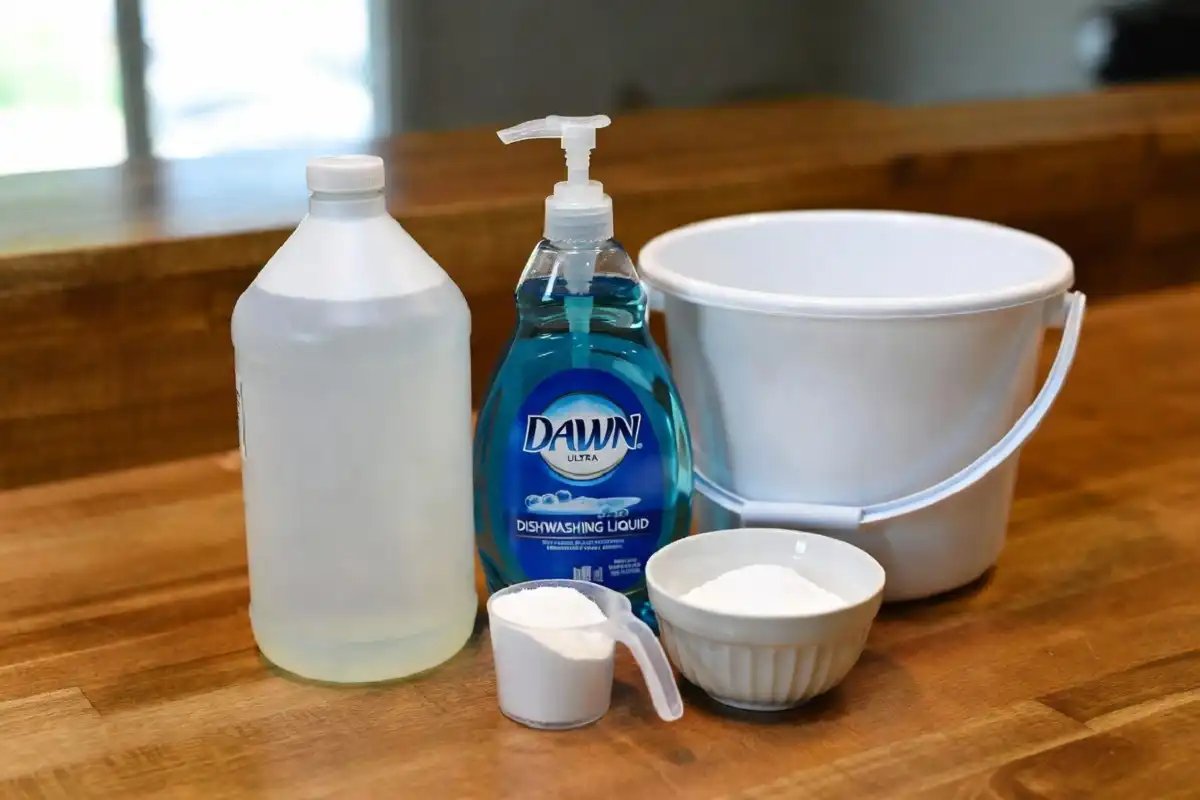
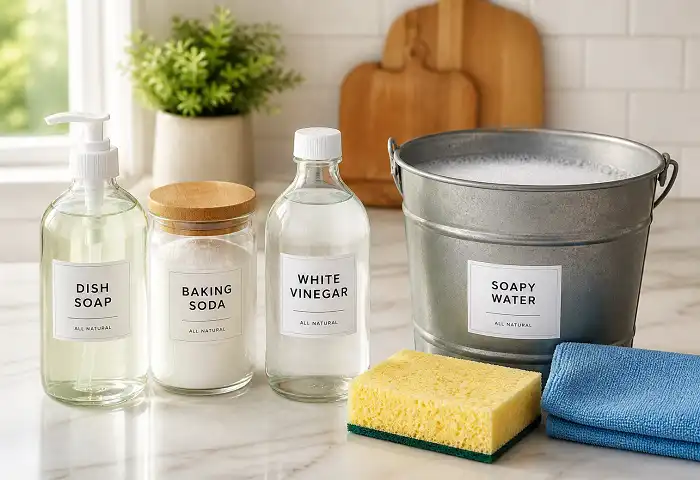
Avoid dish soap or household cleaners — they strip wax, dull paint, and dry out rubber seals. If you’re curious about DIY alternatives, our guide on homemade car wash soap explores what works and what doesn’t.
You can also explore how to make car wash soap at home using simple household ingredients that are safe and surprisingly effective.
Common Hand Car Wash Mistakes to Avoid
Even experienced washers fall into these traps. Here’s what to watch out for:
- Washing in direct sunlight — The soap dries too fast, leaving spots and streaks
- Using one bucket — Dirt transfers back to the paint, causing scratches
- Circular washing motions — These create swirl marks visible in sunlight
- Ignoring the drying step — Air drying leads to water spots
- Skipping the pre-rinse — Dry dirt against the paint is like sandpaper
- Using the wrong mitt — Rough sponges hold grit against the paint surface
Avoiding these mistakes alone will dramatically improve the results of your hand car wash.
How Often Should You Hand Wash Your Car?
The ideal frequency depends on your environment and usage:
| Situation | Recommended Frequency |
|---|---|
| Daily commuter, city driving | Every 1–2 weeks |
| Occasional use, suburban area | Every 2–4 weeks |
| Dusty, rural, or off-road use | After every outing |
| Winter / road salt exposure | Weekly or more |
Regular hand washing prevents contaminants from bonding permanently with your paint. It also makes each wash easier since you’re not battling months of built-up grime.
Hand Car Wash vs. DIY Car Wash Station: Which Is Better?
Some people prefer using a self-service car wash when they don’t have outdoor space or access to a hose at home. These coin-operated bays give you hot water, high-pressure rinse, and foam soap — ideal for apartment dwellers.
However, for the absolute best finish and full control over products and technique, a hand car wash done at home is unbeatable. You control every aspect: the shampoo, the pressure, the tools, and the time. The result is consistently superior.
If you need help locating a self-service bay near you, this guide on how to find a self-service car wash near you is a helpful resource.
Pro Tips for a Spotless Hand Car Wash
These tips separate a good wash from a truly professional result:
- Wash in the shade or on overcast days to prevent premature drying
- Use two mitts — one for the upper body, one for the lower panels and sills
- Fold microfiber towels into quarters to give yourself a fresh face regularly while drying
- Clay bar once or twice a year to remove bonded contaminants before waxing
- Apply wax or sealant after every wash for lasting protection
- Clean windows last with a dedicated glass cleaner and a lint-free cloth
For the full beginner-to-pro tutorial, our comprehensive how to wash a car guide walks through every stage in detail.
FAQ: Hand Car Wash
Is hand car wash better than automatic car wash?
Yes, in most cases. A hand car wash allows for greater control, gentler treatment of the paint, and a more thorough clean. Automated washes — especially brush-based ones — can cause micro-scratches and swirl marks over time.
How long does a hand car wash take?
A thorough hand car wash typically takes 30–60 minutes, depending on the car size and how detailed you want to be. Adding wheels, drying, and finishing can extend this to 90 minutes.
What soap is best for a hand car wash?
Use a pH-neutral car shampoo specifically formulated for automotive paint. Avoid dish soap, as it strips protective coatings. If you prefer to make your own, check out these homemade car soap formulas that are safe and effective.
Can I hand wash my car in winter?
Yes, but with care. Wash on days above freezing, use warm water, and dry immediately to prevent water from freezing on handles and seals. Winter washing is actually important to remove road salt, which accelerates rust and paint damage.
What is the two-bucket method?
The two-bucket method uses one bucket for soapy water and one for clean rinsing water. You rinse your wash mitt in the clean bucket before reloading it with soap — this prevents dirt from being reintroduced to the paint surface, dramatically reducing swirl marks and scratches.
How do I avoid water spots after a hand car wash?
Dry your car immediately with a large microfiber towel rather than allowing it to air dry. Use a quick detailer spray under the towel for added lubrication. In hard water areas, consider a filtered water system or distilled water for the final rinse.
Conclusion
A hand car wash isn’t just about aesthetics — it’s an act of proper car care that preserves your paint, maintains your vehicle’s value, and keeps it looking its best year-round. With the right tools, the two-bucket method, and a consistent routine, you can achieve professional-quality results at home without spending a fortune.
Start with the basics: two buckets, a quality wash mitt, a pH-neutral shampoo, and a microfiber drying towel. Follow the step-by-step process, avoid the common mistakes, and you’ll have a clean, protected car every time.
Ready to upgrade your car care routine? Explore our full DIY car wash guide for even more tips, recipes, and product recommendations — or check out Splash Car Wash tips for professional-level techniques you can use right at home.
Your car works hard for you — give it the wash it deserves. 🚗✨