Introduction
Have you ever pulled out of an automatic car wash and thought, “Why does my car still look dirty?” That’s exactly why more drivers are switching to the self wash car wash — because you’re in control.
A self wash car wash gives you the power to clean every inch of your vehicle the way it deserves. Whether you’re tackling road grime, bird droppings, or stubborn brake dust, this guide walks you through everything you need to know to get a truly spotless result. Let’s get started.
What Is a Self Wash Car Wash?
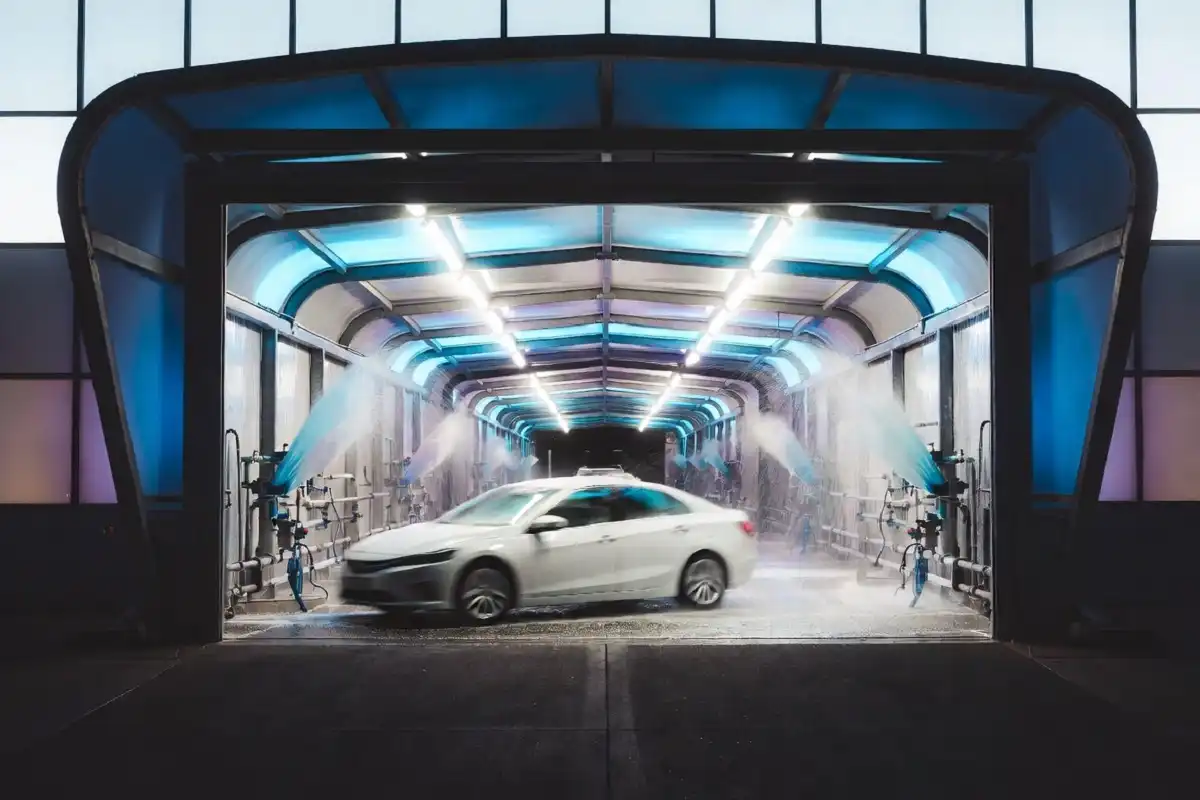
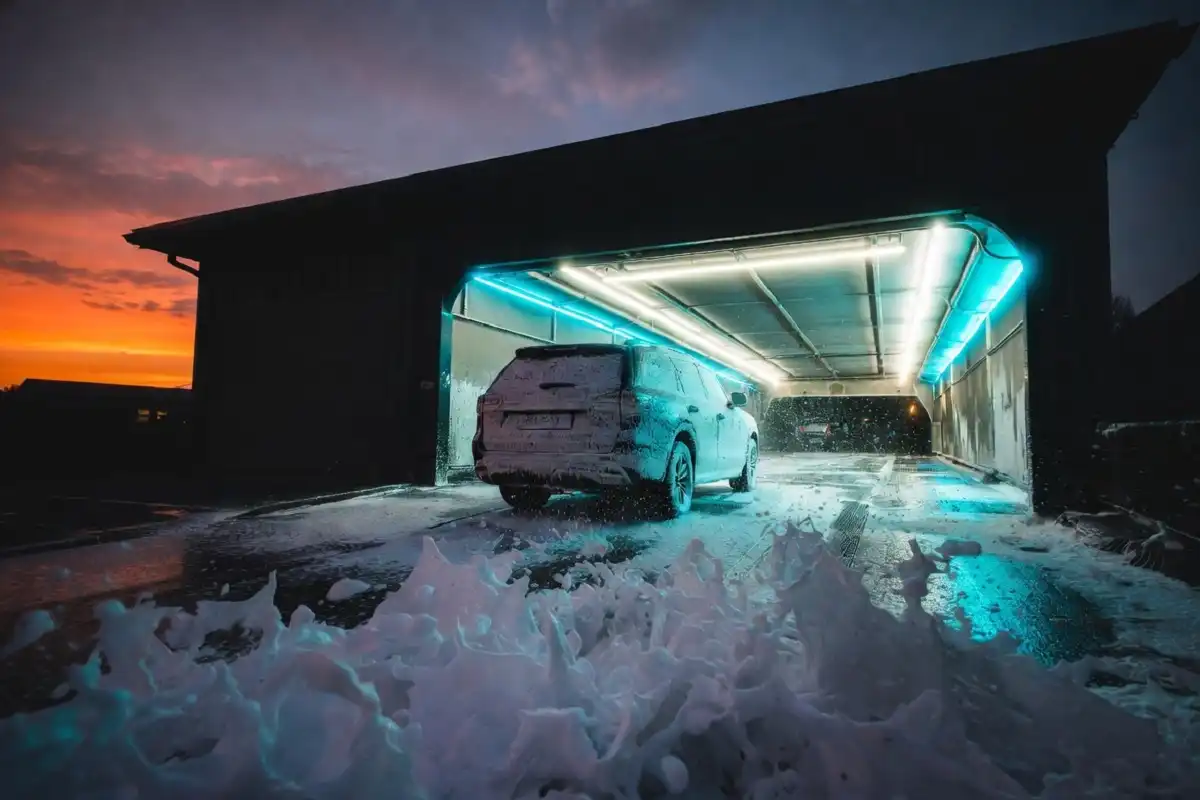
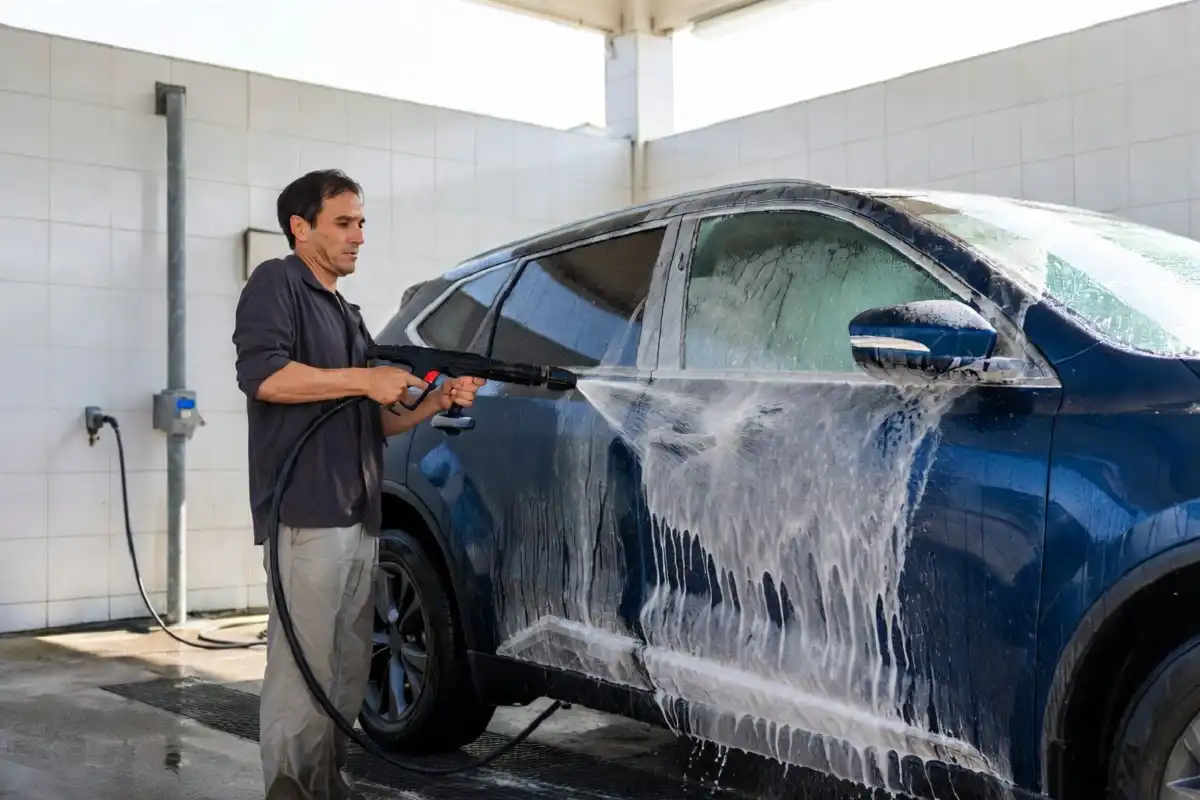
A self wash car wash — also called a self-service car wash or coin-operated car wash — is a facility where you do the washing yourself using the equipment provided on-site. Instead of driving through an automated tunnel, you park your car in a bay, insert coins or swipe a card, and use a high-pressure wand and foaming brush to clean your vehicle.
These facilities are everywhere, affordable, and far more thorough than most automatic options — if you know how to use them properly.
Why Choose a Self Wash Car Wash Over Automatic?
- More control — You direct the water exactly where you need it
- Safer for your paint — No spinning brushes that can cause swirl marks
- Better value — You pay only for the time you use
- Great for detailing — You can focus on problem areas like wheel arches and door jambs
- Eco-friendlier — Many self-service bays recycle water
According to Wikipedia’s overview of car washing methods, self-service stations remain one of the most popular options for hands-on car care enthusiasts worldwide.
What to Bring to a Self Wash Car Wash
Before you pull into a bay, being prepared makes a massive difference. Here’s what to pack:
- Microfiber towels (at least 3–4 clean ones)
- Wheel brush for deep cleaning rims
- Detailing spray or quick-detailer for finishing
- Tire shine applicator
- Coins or a payment card (many bays now accept both)
- Bug and tar remover for stubborn spots
If you want to go the extra mile, check out this car cleaning kit guide to find out which tools actually make a difference.
Step-by-Step Guide to Using a Self Wash Car Wash
Step 1: Pre-Rinse the Entire Vehicle
Start with the rinse setting on the wand. Work from the roof down to the lower panels. This knocks off loose dirt and prevents scratching during the foam stage.
Pro Tip: Hold the wand about 12–18 inches from the surface. Too close can damage paint; too far reduces pressure.
Step 2: Apply the Foam or Soap Setting
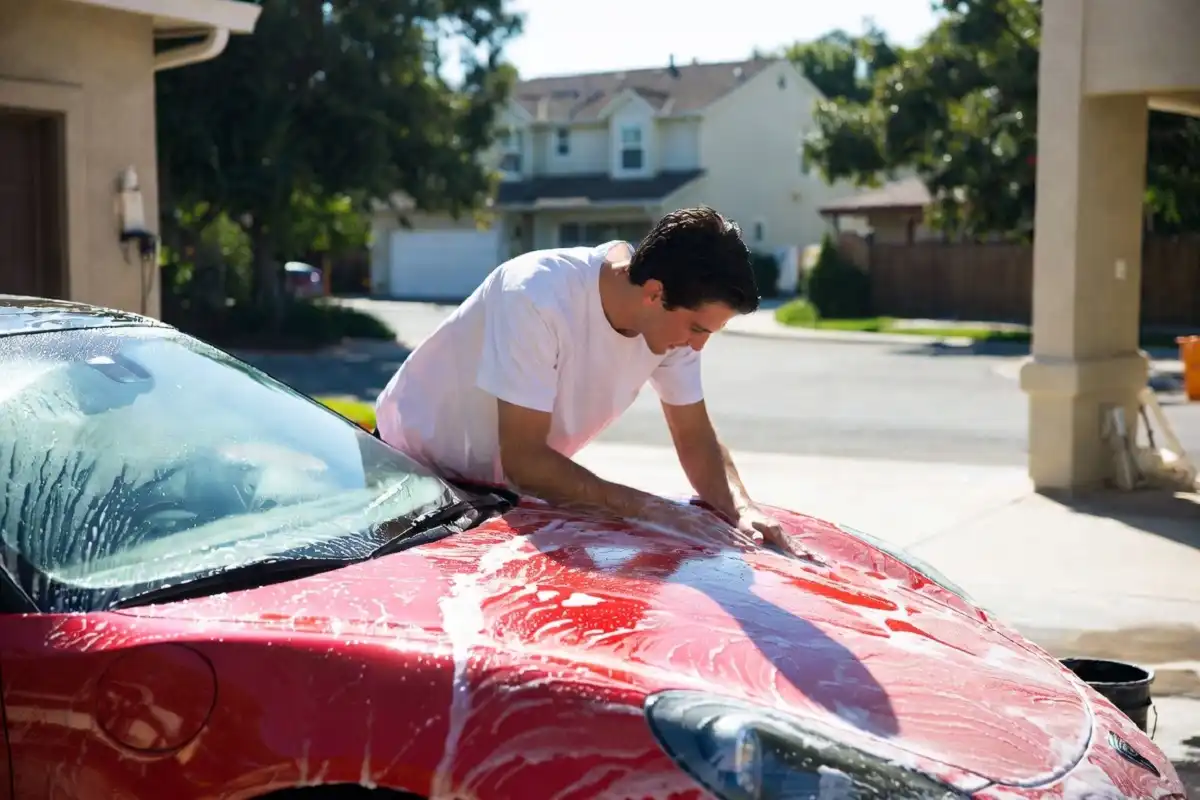
Switch to the soap/foam setting and coat the entire car from top to bottom. Let it dwell for 30–60 seconds — this dwell time helps break down grease and grime.
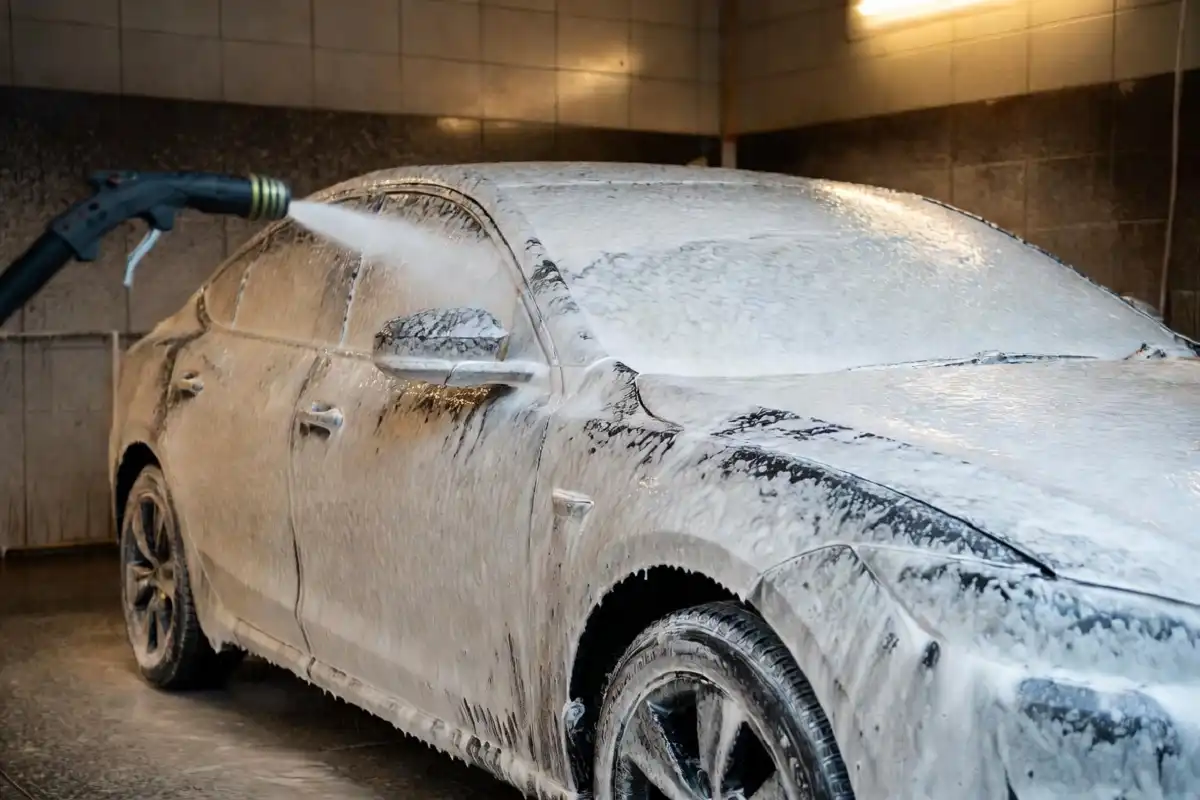
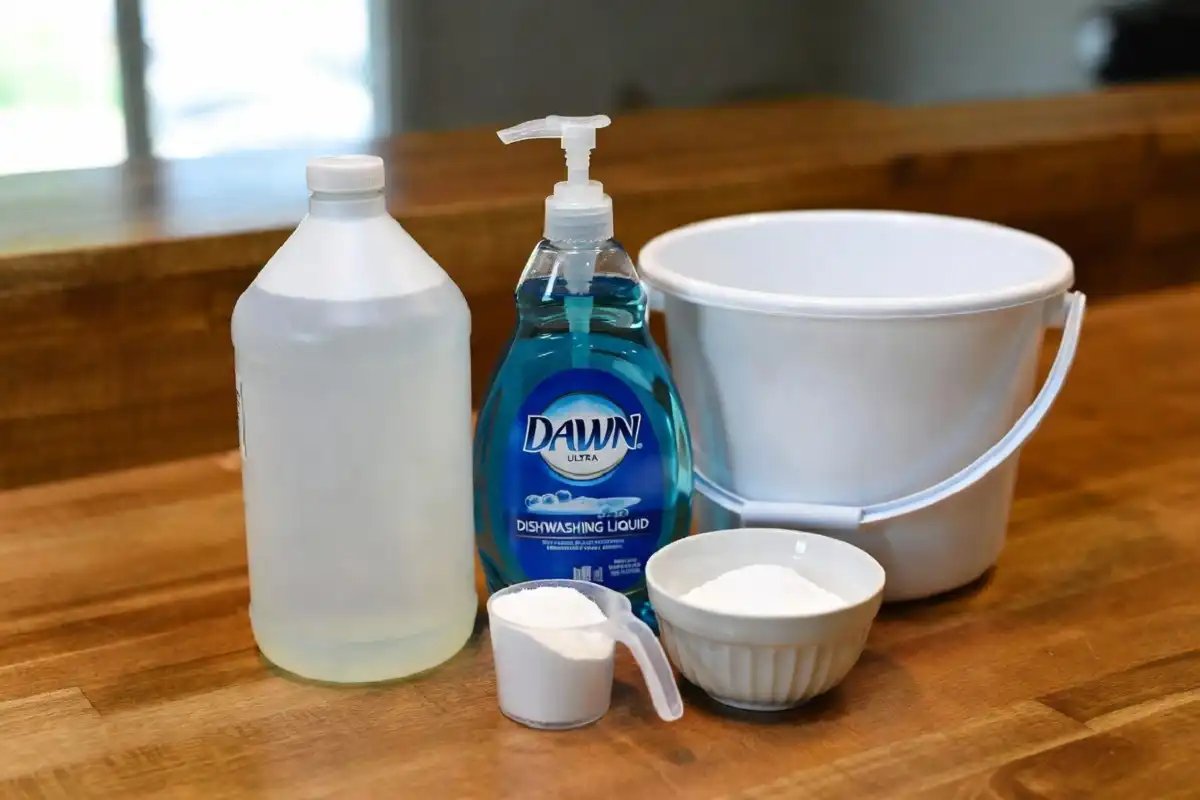
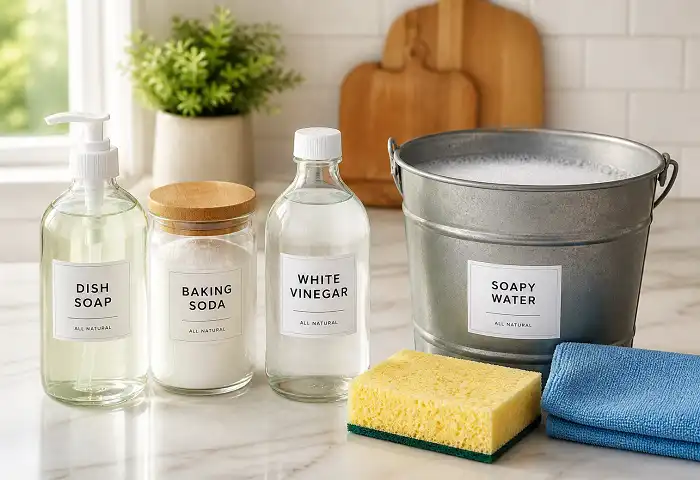
For heavily soiled vehicles, starting with a pre-soak setting (if available) gives you a head start. You can also learn how to make car wash soap at home if you plan to supplement what the bay provides.
Step 3: Scrub with the Foaming Brush (Optional)
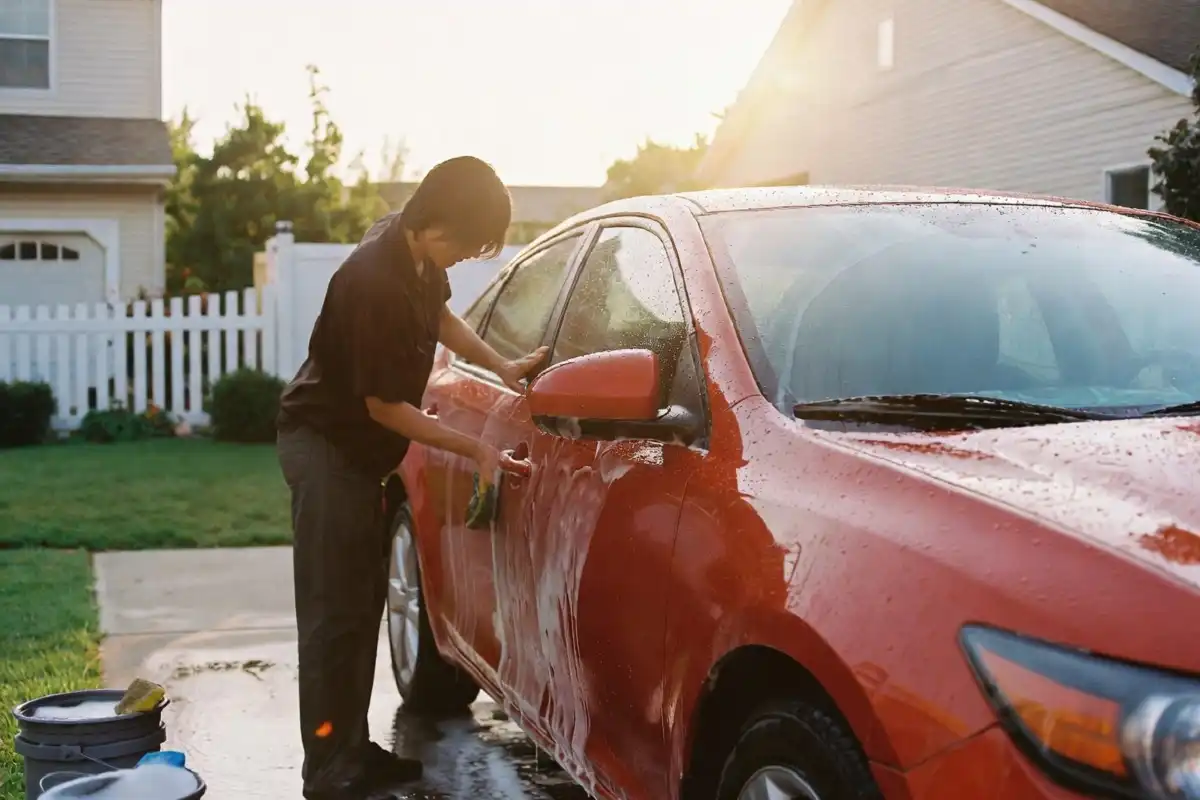
Some self-service bays provide a long-handled foaming brush. Use it gently on body panels — avoid painted surfaces if the brush looks old or worn, as bristles can cause light scratches.
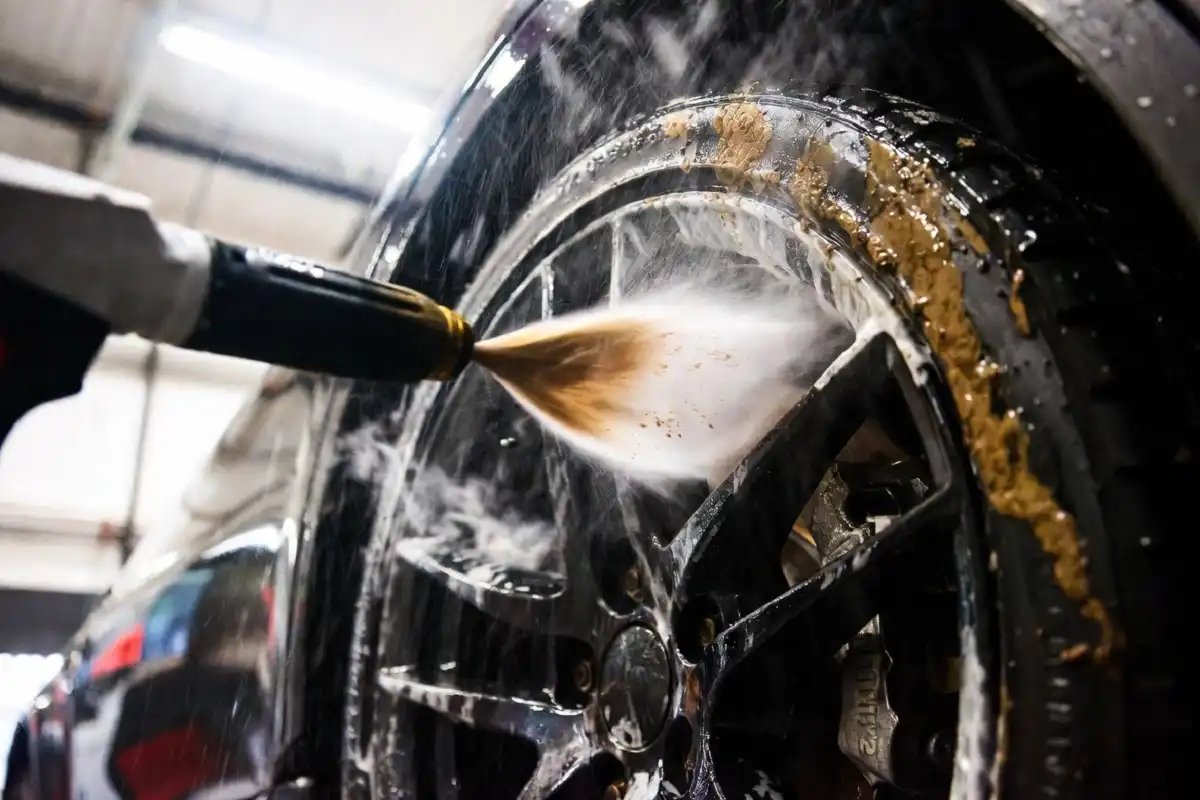
Always use the brush on:
- Wheels and wheel arches
- Bumpers and lower body panels
- Door sills and jambs
Avoid using the brush on:
- Soft convertible tops
- Freshly waxed surfaces
- Visibly scratched paint areas
Step 4: Rinse Thoroughly
Switch back to the rinse setting and wash off all soap residue. Work methodically — roof first, then hood, trunk, sides, and finish with the lower panels.
Don’t forget door jambs, fuel cap areas, and behind mirrors. Leftover soap residue causes water spotting.
Step 5: Use the Spot-Free Rinse (If Available)
Many self wash car wash bays offer a spot-free rinse as the final setting. This uses deionized or reverse-osmosis water that dries without leaving mineral deposits.
If a spot-free rinse is available — always use it. It’s often the difference between a good wash and a great one.
Step 6: Dry Your Car Immediately
Use clean microfiber drying towels right after rinsing. Air drying leads to water spots, especially in warm weather or direct sunlight.
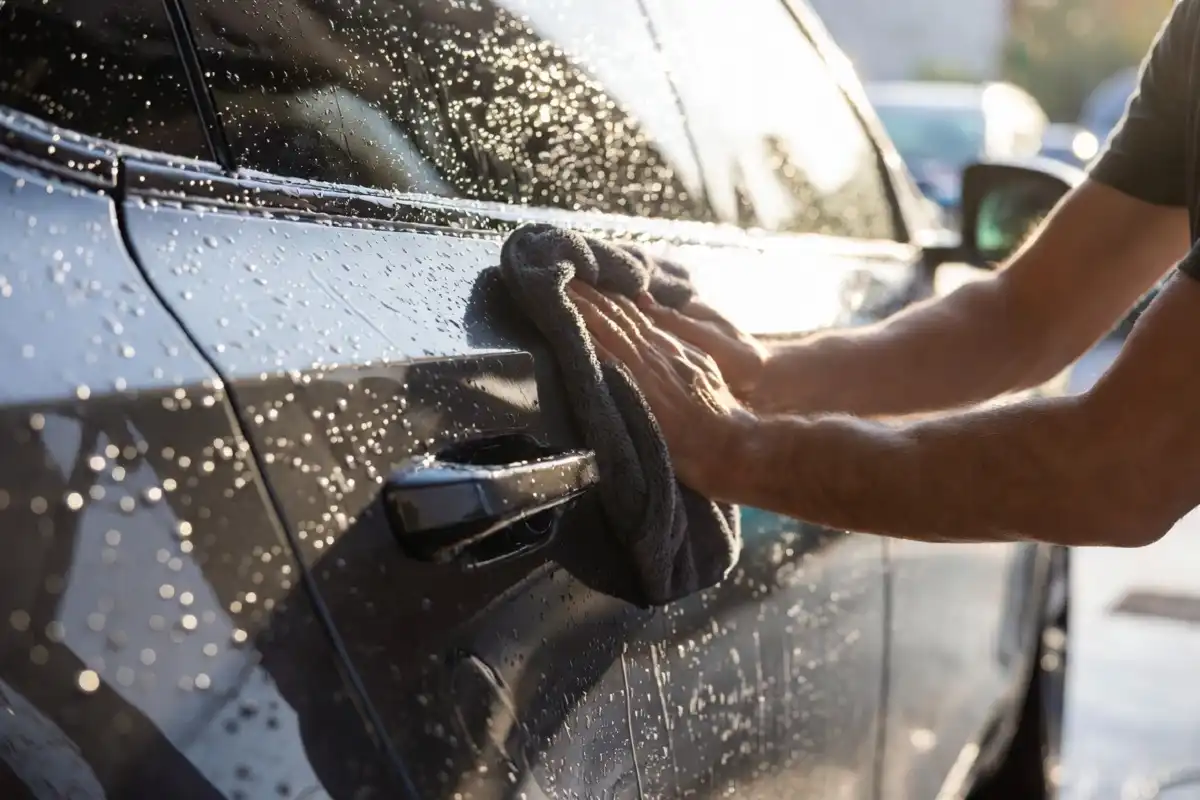
Work section by section and flip the towel frequently to a dry side. For a full drying technique breakdown, this guide on how to wash a car the ultimate DIY way covers everything in detail.
How to Find a Good Self Wash Car Wash Near You
Finding the right facility is half the battle. Here’s how to locate one quickly:
- Google Maps — Search “self service car wash near me” and filter by ratings
- Yelp — Check reviews specifically mentioning bay condition and equipment quality
- GasBuddy & Waze — Often tag nearby car wash facilities
- Dedicated apps — Apps like CarWash Finder help locate bays by type
For a structured approach to locating the right facility, this resource on how to find a self-service car wash near you is a great starting point.
What to Look for in a Quality Self Wash Bay
Not all self-service car wash bays are created equal. Before you start, check:
- ✅ Clean, well-maintained equipment
- ✅ Working spot-free rinse option
- ✅ Clear, readable instruction panels
- ✅ Good lighting (especially for evening visits)
- ✅ Adequate drainage — standing water is a red flag
Common Mistakes to Avoid at a Self Wash Car Wash
Even experienced DIYers make these errors. Avoid them to protect your car’s finish:
1. Washing in Direct Sunlight
Heat causes soap to dry on the surface before you can rinse it off — leaving streaks and water spots. Choose a shaded bay or wash early morning/evening.
2. Using the Wrong Nozzle Pressure
Cranking pressure too high near door seals, rubber trim, or antenna bases can force water into gaps. Keep the wand moving and maintain a safe distance.
3. Skipping the Pre-Rinse
Jumping straight to soap traps abrasive dirt particles under the foam and drags them across your paint. Always pre-rinse first.
4. Rushing the Process
Self wash car wash bays charge by time, which tempts people to hurry. Rushing means missed spots and poor results. Budget at least 10–15 minutes per wash.
5. Forgetting the Wheels
Brake dust is corrosive. Clean wheels thoroughly at every wash — they often need two full passes to come clean.
Self Wash Car Wash vs. Washing at Home
Both approaches have merit. Here’s a quick comparison:
| Feature | Self Wash Car Wash | Home Car Wash |
|---|---|---|
| Equipment | High-pressure wand, foam brush | Garden hose, bucket |
| Water usage | Moderate (metered) | Can be high |
| Convenience | Drive-up, no setup | Full setup required |
| Result quality | Excellent (if done right) | Varies |
| Cost | $3–$10 per wash | Low ongoing cost |
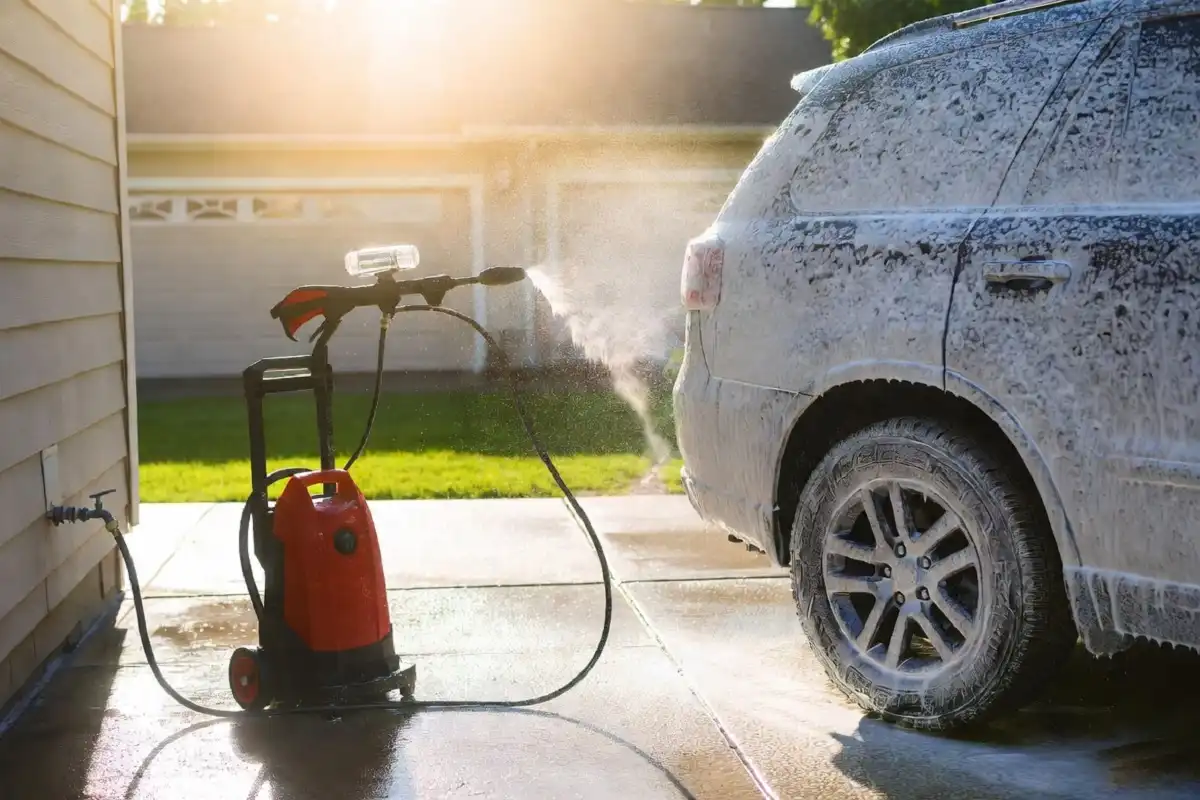
If you prefer washing at home, our complete home-made car wash guide has everything you need to set up an effective home wash station.
Boosting Results: What to Do After a Self Wash
A wash is just the foundation. To maximize your results:
- Apply a quick detailer spray after drying to enhance gloss
- Use a spray wax or sealant every 4–6 weeks to protect paint
- Clean the interior while the exterior is drying
- Dress tires with a tire shine product for a finished look
For paint protection, The Detailing Wiki is an excellent resource for understanding wax vs. sealant options and when to apply each.
How Often Should You Use a Self Wash Car Wash?
Most automotive experts recommend washing your car every 2 weeks. Increase frequency if:
- You drive in areas with heavy road salt (winter driving)
- Your car is parked under trees (sap and bird droppings)
- You do a lot of highway driving (bug splatter, tar)
Waiting too long between washes allows contaminants to bond with your clear coat — making them much harder to remove later.
FAQ: Self Wash Car Wash
1: How much does a self wash car wash cost?
A typical self-service bay charges $2–$10 per session, depending on location and time used. Most accept coins, bills, and card payments. Budget around 10–15 minutes for a thorough wash.
2: Can I use a self wash car wash on a new car?
Yes — in fact, a self wash car wash is safer for new cars than automatic tunnel washes because you control the pressure and avoid abrasive brushes that cause swirl marks on fresh clear coats.
3: Is a self wash car wash eco-friendly?
Many modern self-service car wash facilities recycle and filter their water, making them more environmentally responsible than washing at home on a driveway, where runoff enters stormwater drains untreated.
4: What if the bay doesn’t have a spot-free rinse?
If no spot-free rinse is available, dry your car immediately and thoroughly with clean microfiber towels. You can also keep a bottle of quick detailer spray in your kit to pick up any remaining spots after drying.
5: Can I use my own soap at a self wash car wash?
Generally, no — the bays use their own soap systems. However, you can bring your own products (like a pre-treatment spray or bug remover) to apply manually before using the bay’s rinse settings. If you’re interested in DIY soap options, here are some homemade car wash soap recipes worth trying at home.
6: What’s the best time to visit a self wash car wash?
Early morning on weekdays is ideal — bays are less busy, temperatures are cooler (reducing soap drying), and lighting is usually good. Avoid peak weekend afternoons when queues build up and bays get rushed.
Conclusion
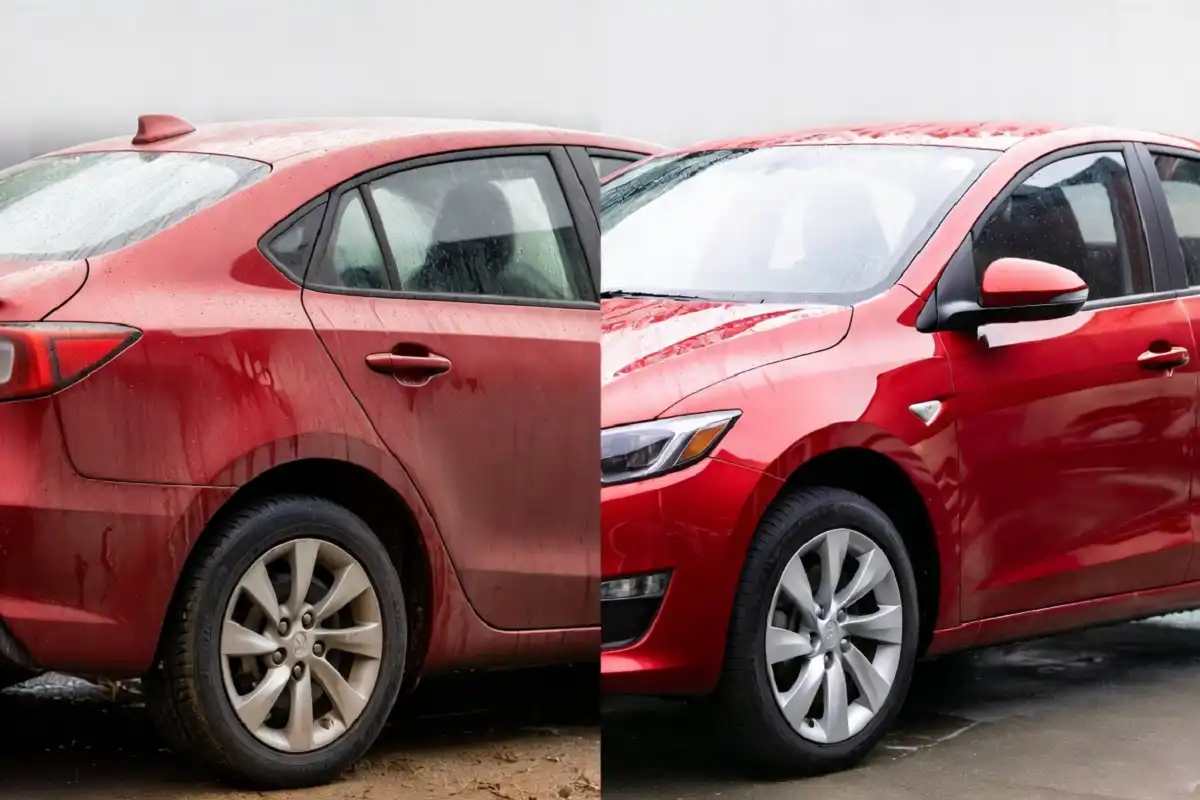
A self wash car wash is one of the best tools in any car owner’s arsenal. It gives you professional-level equipment, total control over the process, and results that beat most automatic washes — all at a fraction of the cost of a full-service detail.
The key is preparation, technique, and patience. Follow the steps in this guide, avoid the common mistakes, and you’ll pull out of that bay with a genuinely clean, protected vehicle every single time.
Ready to take your car care further? Explore our full range of DIY guides — from hand car washing techniques to finding a do-it-yourself car wash near you — and start treating your car the way it deserves.